
The Story
Why it exists.
The beginning
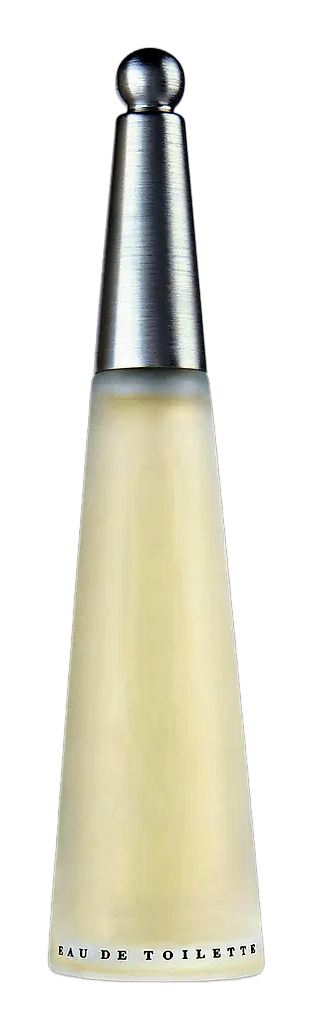
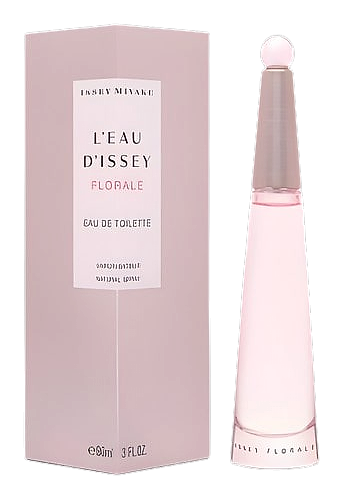
L'Eau d'Issey Florale arrived in 2011 as a flanker to Issey Miyake's iconic original, composed this time by Alberto Morillas. Mandarin and Kahili ginger open sharp and clean, then cede to a rose-lily heart that feels like morning in a garden rather than a perfumery. The fragrance takes a mandate of simplicity seriously. No baroque construction, no layering for the sake of complexity. Just rose, water, and the space between them. The clean, precise opening of mandarin and Kahili ginger gives way to florals that feel organic rather than constructed, allowing each element to exist on its own terms while contributing to a cohesive whole.
What makes the structure interesting is the Kahili ginger threading through the top. It's not the ginger of cooking or chai, it's a floral variety that reads more as clean spice than warmth. That slight edge is what prevents the mandarin from going candy-sweet, and what keeps the rose from feeling predictable. The lily sits in the heart doing something Lily of the Valley rarely manages: it smells like itself rather than a reference to other flowers. White woods in the base aren't a specific species, they're a category, a deliberately vague warmth that lets the florals breathe underneath.
The evolution
The opening arrives fast: mandarin and Kahili ginger hit within seconds, a crisp citrus burst before the florals push through. The rose doesn't bloom so much as appear, suddenly it's there, not opening petal by petal but simply present, layered with lily in a way that feels transparent rather than heavy. The woody base takes its time. The florals begin to thin, and the white woods emerge, soft, close to the skin, meditative. By the end, it's barely there. A clean skin scent, the ghost of rose on warm linen. On fabric, it becomes something worth noticing hours later. The progression feels natural, each stage arriving when the previous one has said its piece.
Cultural impact
L'Eau d'Issey Florale occupies a specific niche: the woman who loved the original but wanted more floral presence. It didn't try to reinvent the wheel, it refined it. The composition brought a signature clean structure to the Miyake house, delivering a flanker that feels intentional rather than obligatory. The 2011 release found its audience among those seeking quiet sophistication over projection and sillage. The fragrance appeals to those who appreciate subtlety and nuance in their scent choices.