The Story
Why it exists.
The beginning
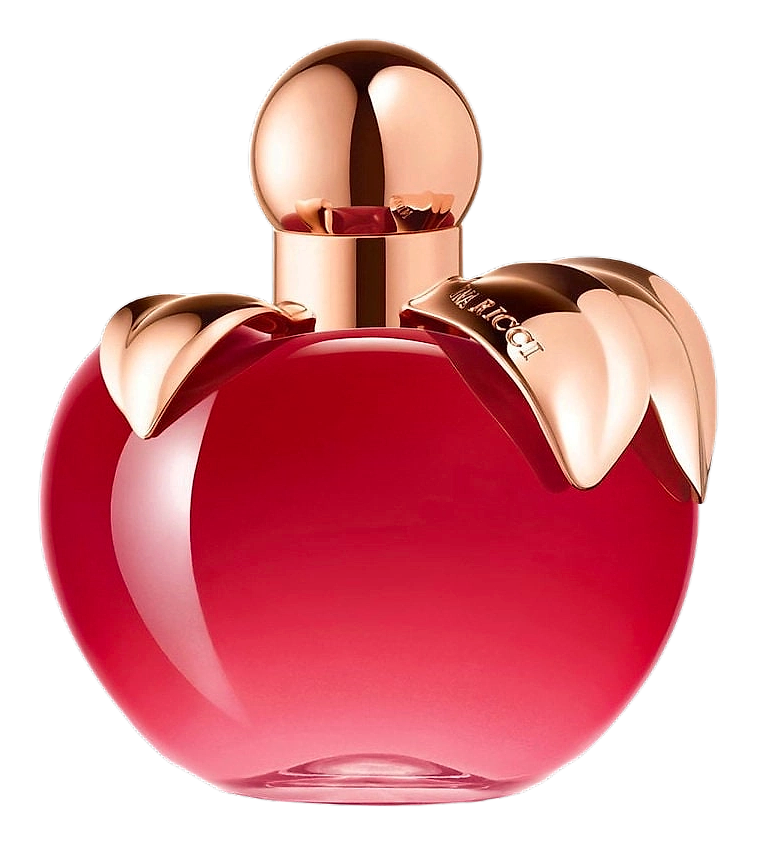
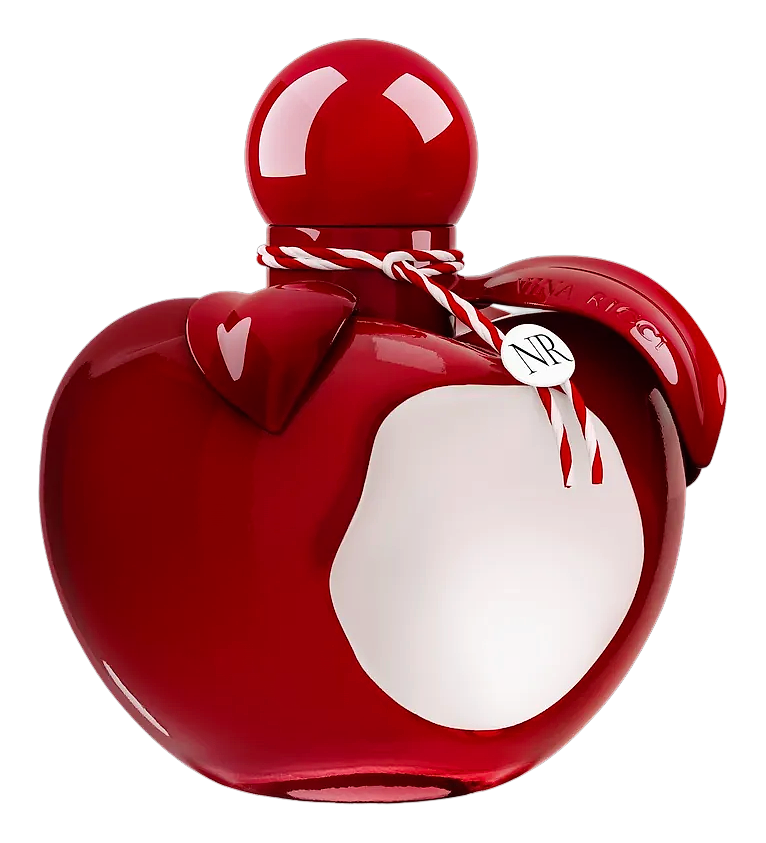
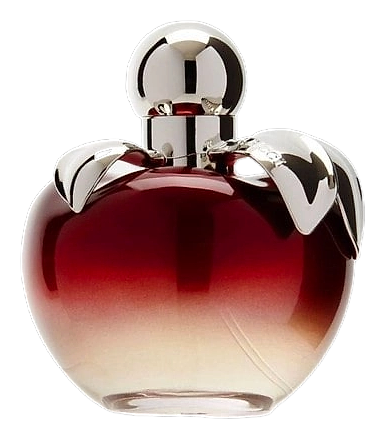
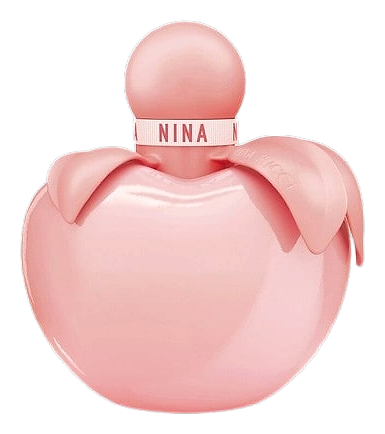
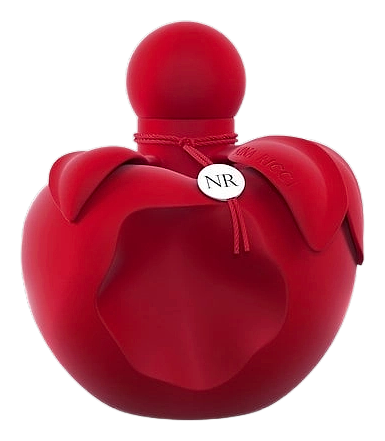
Nina Extra Rouge arrived in 2021 as part of the Les Belles de Nina collection, crafted by perfumer Olivier Cresp. The earlier Nina fragrance, launched in 2006, established the house's approach to bold, sweet feminine compositions. Extra Rouge takes that template and pushes further into fruity territory while deepening the gourmand base. The name itself signals something more extroverted, more assertive, a red that burns brighter than what came before.
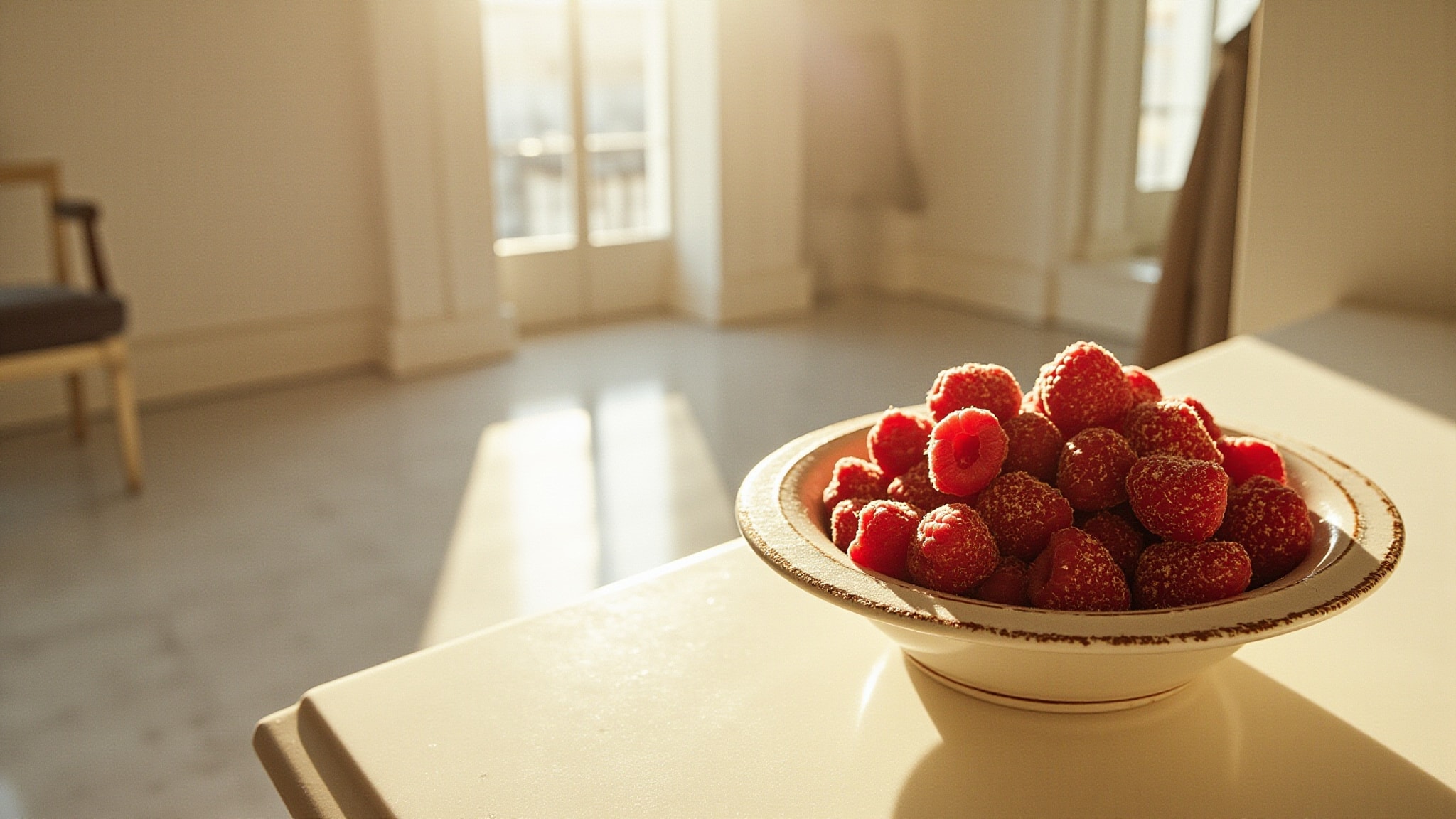
The note structure creates a deliberate tension between bright and warm. Raspberry and blackcurrant provide a tart, immediate opening that reads almost effervescent. Grapefruit adds a citrus sharpness that keeps the sweetness from becoming cloying. The rosebud in the heart is deliberately restrained, present but not dominant, more texture than statement. The tea then carries the composition toward its true destination: a praline-vanilla base that wraps everything in edible warmth. This is a fragrance built on contrast, not harmony for its own sake.
The evolution
The opening arrives fast and fruity, raspberry and blackcurrant hit first, sharp and bright, like a compote just off the heat. Grapefruit follows, adding citrus brightness that prevents the sweetness from settling too early. The heart introduces rosebud and tea, the rose staying tender and slightly dewy while the tea cools the composition, keeping the sweetness honest rather than syrupy. The drydown is where Nina Extra Rouge earns its name. Praline and vanilla emerge slowly, wrapping the earlier notes in warmth that lingers close to the skin for hours. The raspberry never fully disappears, it threads through the base like a memory of the opening, keeping the sweetness grounded. On fabric, the praline-vanilla lingers well into the next day.
Cultural impact
Nina Extra Rouge landed in 2021 as part of the Les Belles de Nina line, extending a franchise rooted in playful femininity. The original Nina, launched in 2006, established the house's signature approach to bold sweet compositions with a whimsical edge. Extra Rouge pushes further into fruity-gourmand territory, reflecting a broader industry trend toward unapologetically sweet, dessert-like fragrances. It appeals to a younger demographic entering the fragrance world, offering an accessible entry point into the Nina Ricci aesthetic without requiring a significant investment.
The House
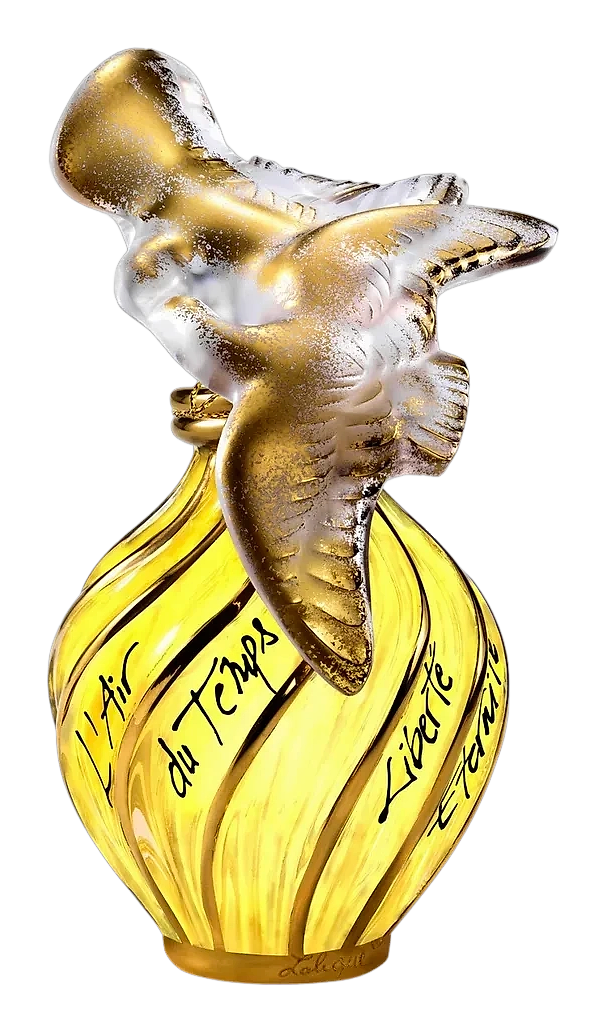
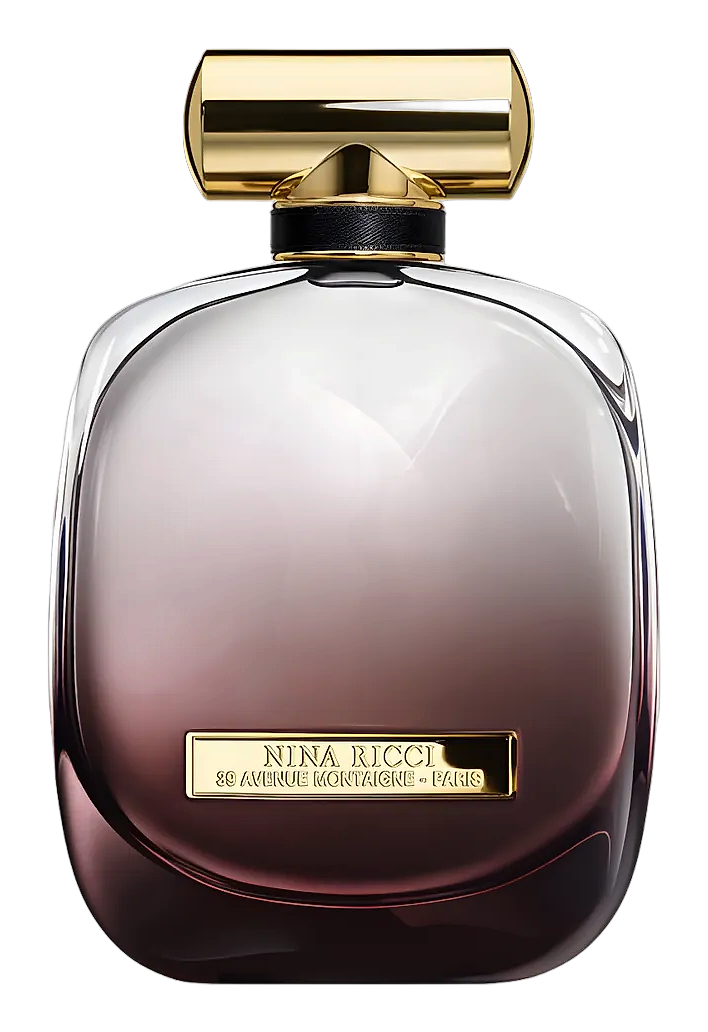
Nina RicciNina Ricci is a Parisian fashion house founded in 1932 by Italian-born designer Maria "Nina" Ricci and her son Robert Ricci. The house began as a couture salon on Rue Haussmann, quickly establishing a reputation for refined, feminine gowns with romantic sensibility. Robert established an in-house perfume division in 1941, though the first fragrance would not arrive until 1946. That inaugural scent, Coeur Joie, marked the beginning of a partnership with Lalique that would define the house's olfactory identity. The house introduced its most celebrated fragrance, L'Air du Temps, in 1948, a scent that remains in production decades later. Puig acquired Nina Ricci in 1998, bringing the house under the same ownership that manages Carolina Herrera and Jean Paul Gaultier. Today, the fragrance collection spans from timeless classics to contemporary offerings like the Nina line, maintaining the house's commitment to feminine elegance.
The Creator
Olivier CrespCresp's signature style often features a blend of fresh, clean notes with warm, comforting accords. He's known for his masterful use of fruit notes, particularly fig and berries, which he often combines with florals and musks to create scents that are both inviting and sophist…