
The Story
Why it exists.
The beginning
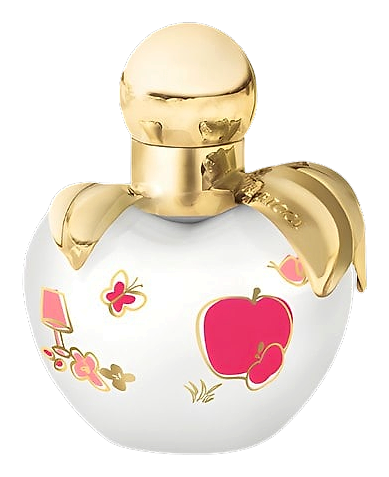
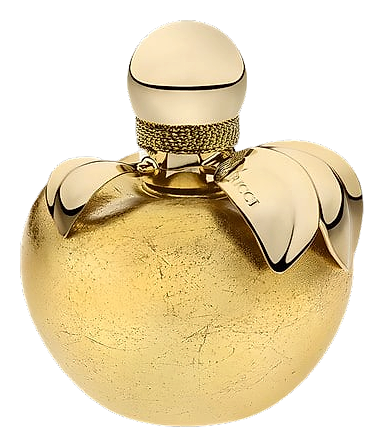
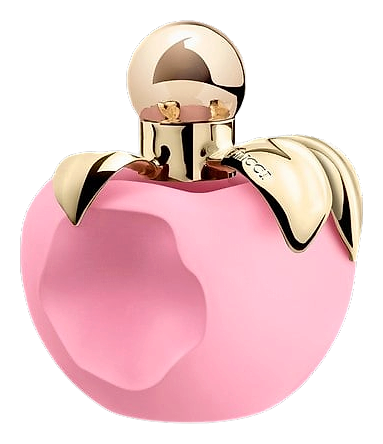
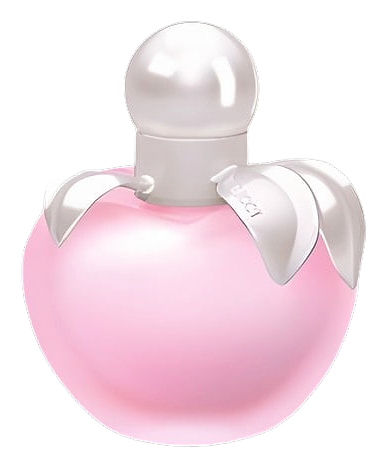
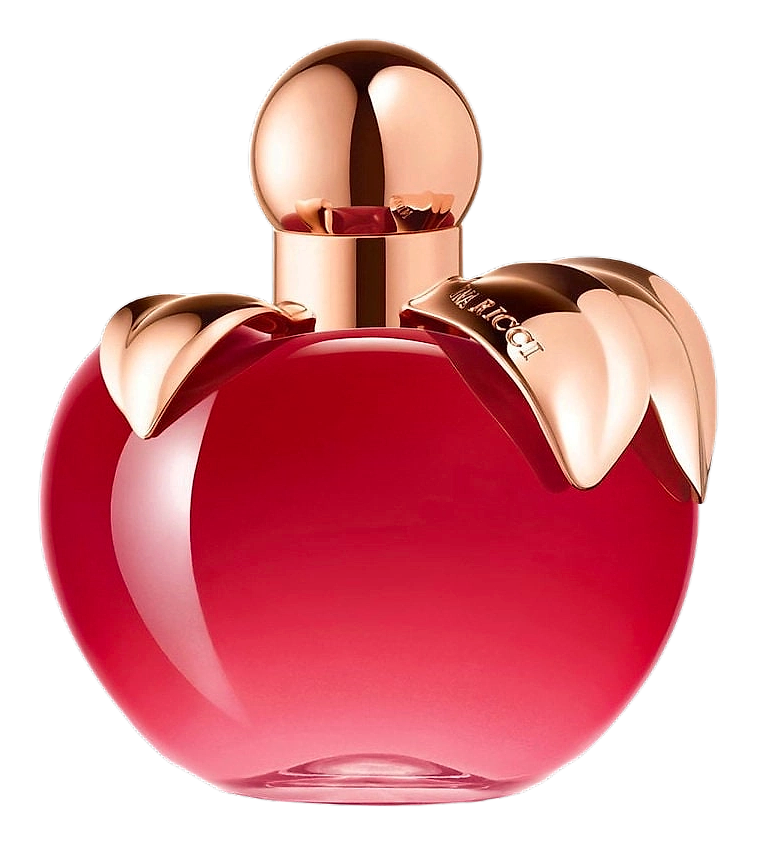
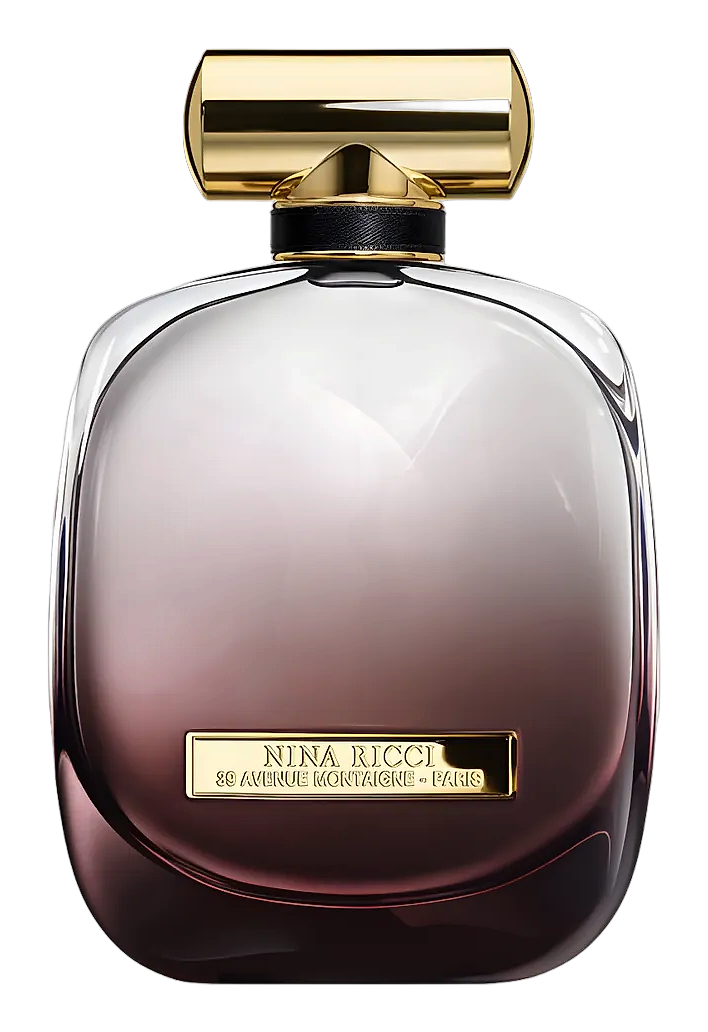
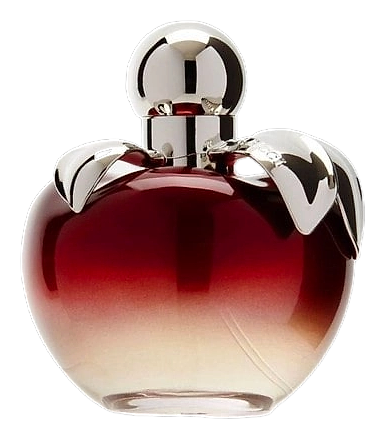
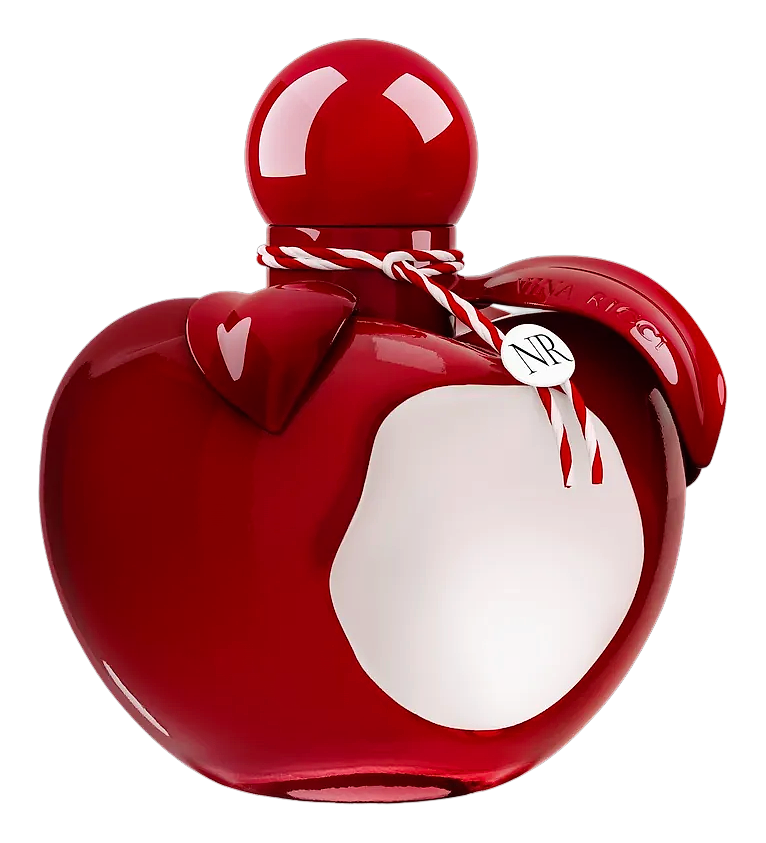
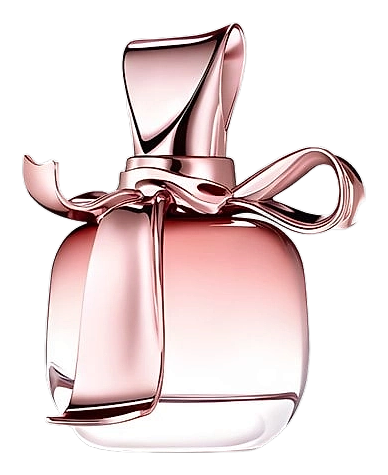
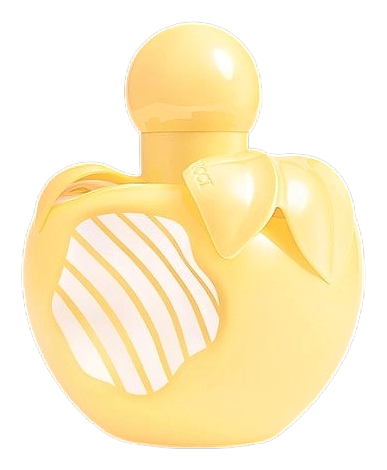
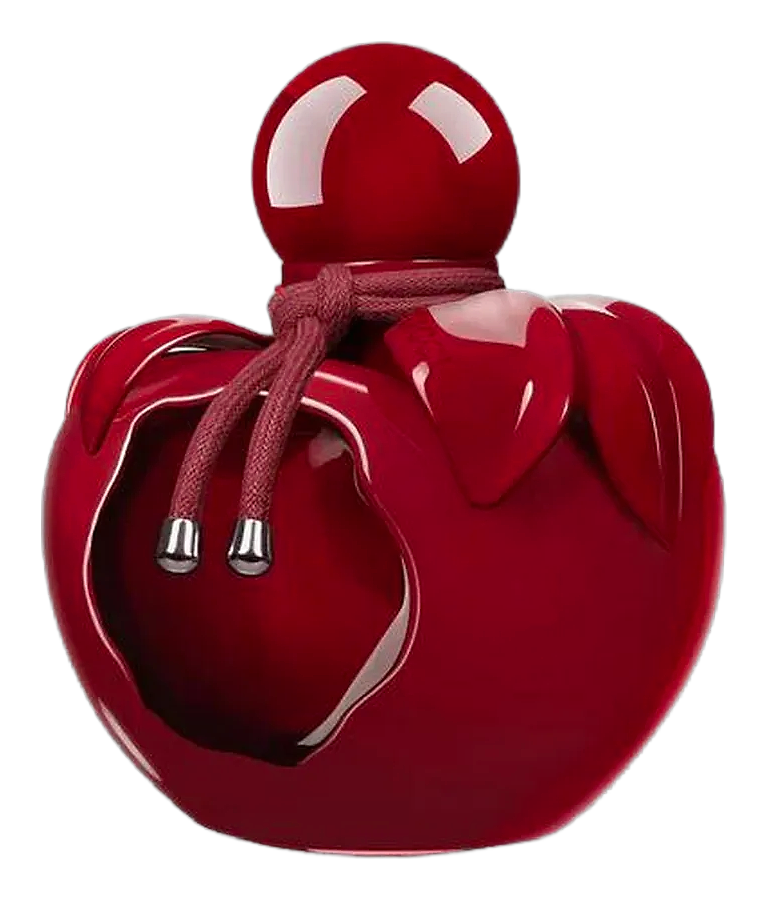
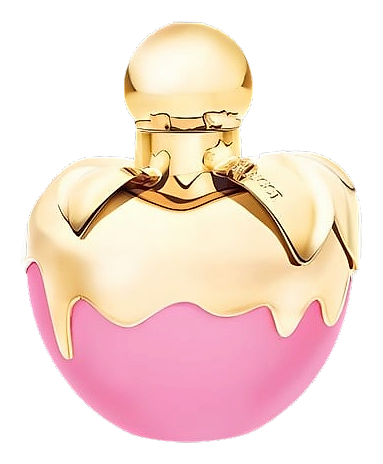
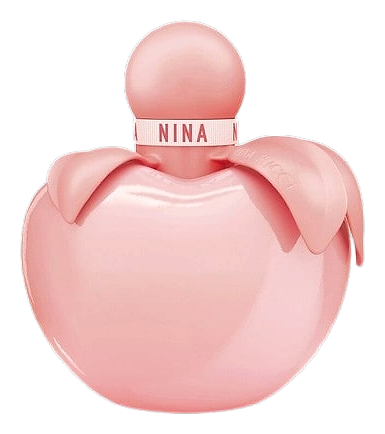
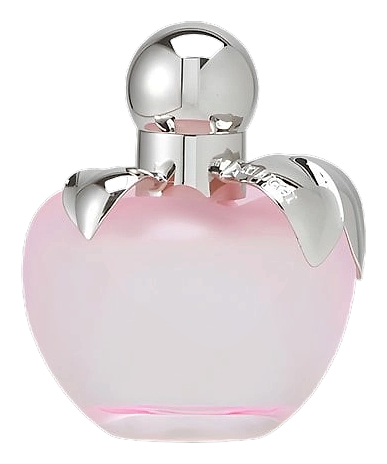
Nina L'Eau arrived in 2013 as a new chapter for the Nina Ricci fragrance family. Perfumer Olivier Cresp, known for compositions that balance sparkle with depth, built this flanker around a specific idea: the feeling of morning light on skin. Where the original Nina leaned into caramel and apple, L'Eau pulled toward transparency, grapefruit instead of baked goods, aquatic instead of gourmand. The intention was to capture something ephemeral, the kind of scent that disappears in the best possible way, leaving the wearer looking like she woke up like this.
What makes Nina L'Eau unusual is the way it handles sweetness. Cherry and gardenia together can tip into syrup, but here, the aquatic notes pull everything upward, creating an impression of weightlessness. The musk base doesn't anchor so much as whisper. It's a fragrance designed around the absence of weight, built for someone who finds heavy florals exhausting. That translucence is the point, not an accident, but the actual effect Cresp was after.
The evolution
The opening hits like cold water: grapefruit, neroli, mandarin, a citrus trifecta that reads sharp and clean. The neroli is the quiet workhorse here, preventing the top from becoming aggressive. For the first thirty minutes, it's crisp. Almost clinical. Then the hand-off happens. Gardenia arrives with cherry in tow, and the whole composition softens. The aquatic notes give it a floating quality, not heady, not heavy, just present. By hour two, the citrus has faded to a memory. The florals sit delicate and pretty, with cherry still holding on. The drydown belongs entirely to the musk: warm, skin-close, intimate. It doesn't announce itself. It stays. Four to six hours, depending on skin, with a sillage that remains moderate, a scent that announces itself to the person standing beside you, not the room you just left.
Cultural impact
Nina L'Eau sits in the crowded fruity-floral space, competing for attention with summer releases from nearly every fashion house. What sets it apart is its restraint, the gardenia and aquatic notes create something more serene than the typical spring launch. It has found its audience among wearers who want femininity without fanfare, freshness without sharpness. The fragrance functions well in professional and casual contexts alike, its moderate sillage making it a reliable choice for environments where a loud scent would be inappropriate.
The House
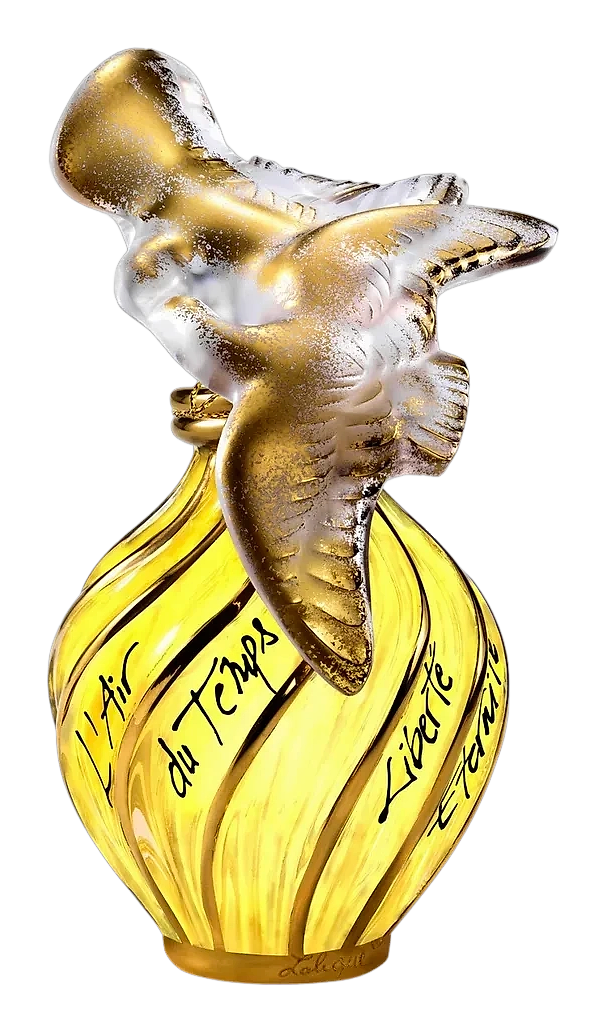
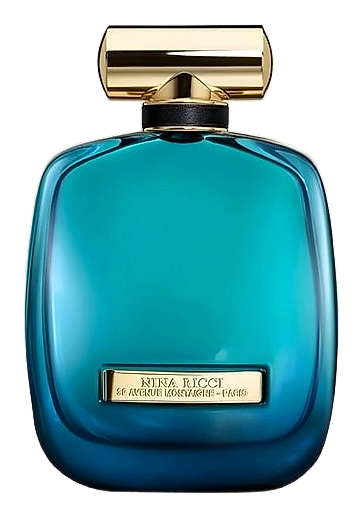
Nina RicciNina Ricci is a Parisian fashion house founded in 1932 by Italian-born designer Maria "Nina" Ricci and her son Robert Ricci. The house began as a couture salon on Rue Haussmann, quickly establishing a reputation for refined, feminine gowns with romantic sensibility. Robert established an in-house perfume division in 1941, though the first fragrance would not arrive until 1946. That inaugural scent, Coeur Joie, marked the beginning of a partnership with Lalique that would define the house's olfactory identity. The house introduced its most celebrated fragrance, L'Air du Temps, in 1948, a scent that remains in production decades later. Puig acquired Nina Ricci in 1998, bringing the house under the same ownership that manages Carolina Herrera and Jean Paul Gaultier. Today, the fragrance collection spans from timeless classics to contemporary offerings like the Nina line, maintaining the house's commitment to feminine elegance.
The Creator
Olivier CrespCresp's signature style often features a blend of fresh, clean notes with warm, comforting accords. He's known for his masterful use of fruit notes, particularly fig and berries, which he often combines with florals and musks to create scents that are both inviting and sophist…