
The Story
Why it exists.
The beginning
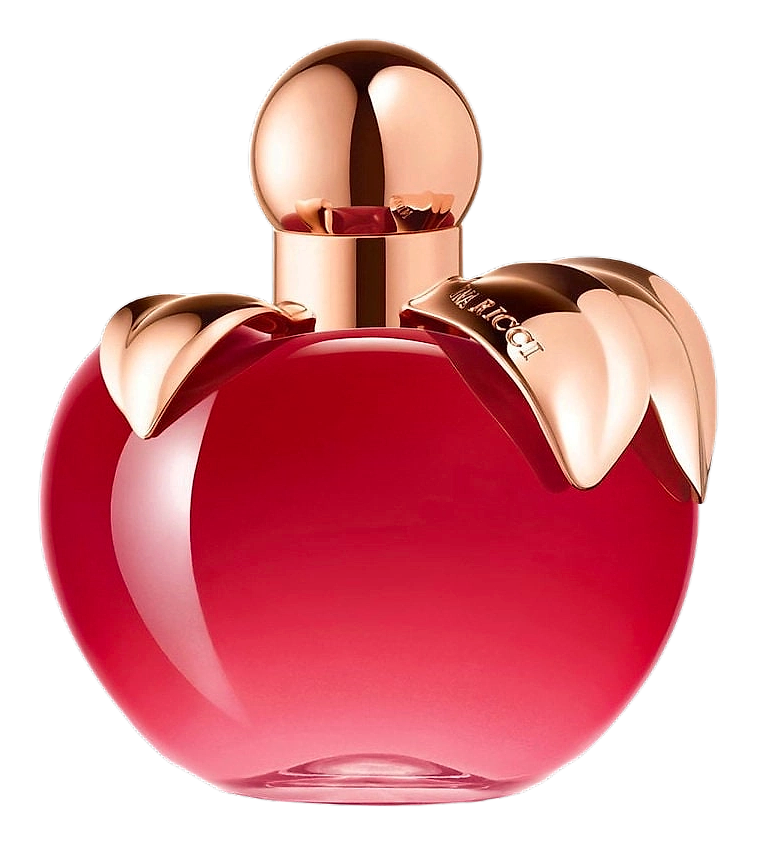
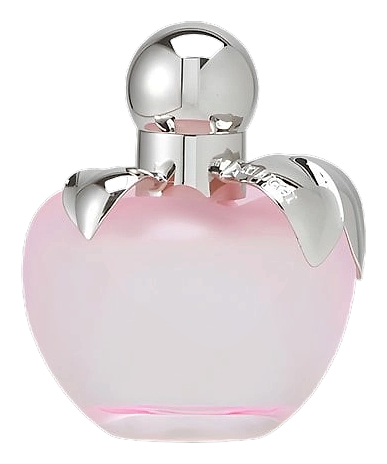
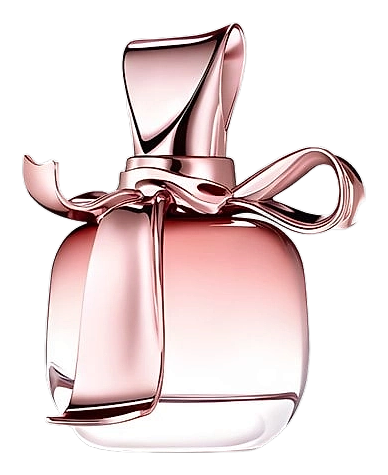
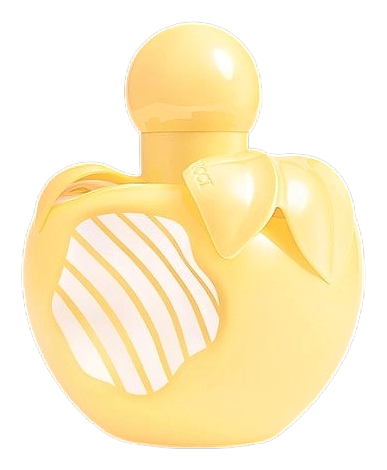
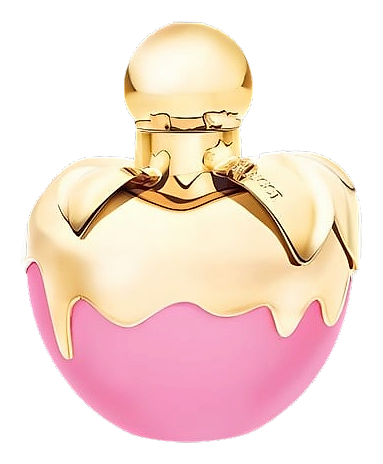
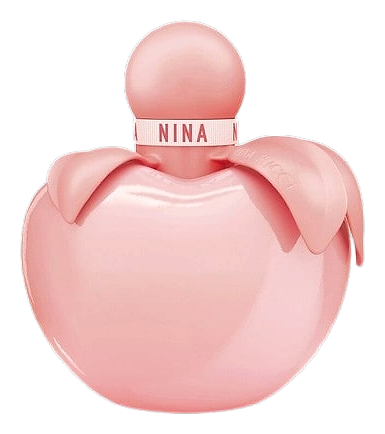
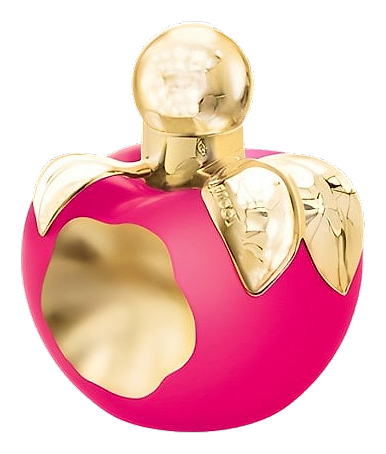
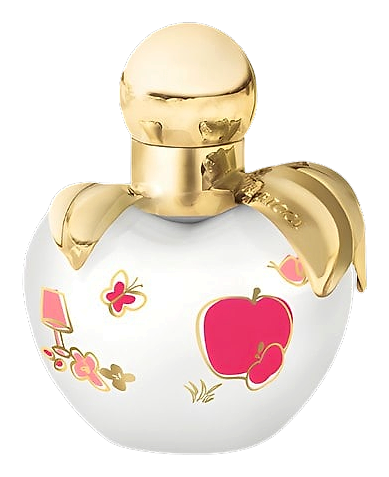
Nina Ricci introduced Nina Fantasy in 2012 as a limited edition to the house's signature Nina line, a collection already known for its playful, romantic spirit. The name says it all: this was conceived as a fragrance of dreams, drawing inspiration from the season that makes most people believe in something. Spring. Newness. The particular quality of light that makes ordinary mornings feel like beginnings. Olivier Cresp, the perfumer behind several Nina Ricci fragrances, built this one around the contrast between crisp fruit and soft florals, a composition that opens bright and gradually surrenders to something tender. The bottle, decorated with pink and gold accents, reinforced the fantasy motif, a pretty object that promised something ephemeral and sweet.
What makes Nina Fantasy interesting is its unusual base pairing. Sugar is expected in a sweet floral, it's the genre's calling card. But Holly as a base note is rarer, lending a faint green undertone that keeps the sweetness from becoming purely candy. It grounds the composition just enough to feel intentional rather than accidental. Cherry blossom, meanwhile, isn't a traditional perfumery material, it brings a delicate, ephemeral quality to the heart of the fragrance. Here, that lightness works quietly: the scent doesn't stay long, but while it does, it convinces completely.
The evolution
The opening arrives quickly, mandarin and bergamot make a citrus spark that catches before it settles. Pear softens the brightness, adds a juicy quality that feels like biting into a ripe piece of fruit. Ten minutes in, cherry blossom takes over. The transition is gentle, not dramatic, one mood replacing another without announcement. The heart holds for a good stretch of time, the exact duration varying by skin chemistry. Heliotrope and rose create that powdery romantic quality, soft and intimate, the kind of scent that stays close to skin rather than announcing itself across a room. Sugar arrives in the base, and with it, the sweetness deepens into something more gourmand, vanilla-adjacent without being vanilla. Holly adds its subtle green undertone, a quiet reminder that this isn't entirely an edible fantasy.
Cultural impact
Nina Fantasy arrived in 2012 as part of a house known for romantic, feminine compositions, fragrances that embrace softness as strength rather than apology. The broader Nina line, which began in 2006, established the house's modern fragrance identity around youthful optimism and accessible sweetness. Fantasy continues that trajectory: sweet, floral, and unabashedly pretty in a way that feels earned rather than generic.
The House
Nina RicciNina Ricci is a Parisian fashion house founded in 1932 by Italian-born designer Maria "Nina" Ricci and her son Robert Ricci. The house began as a couture salon on Rue Haussmann, quickly establishing a reputation for refined, feminine gowns with romantic sensibility. Robert established an in-house perfume division in 1941, though the first fragrance would not arrive until 1946. That inaugural scent, Coeur Joie, marked the beginning of a partnership with Lalique that would define the house's olfactory identity. The house introduced its most celebrated fragrance, L'Air du Temps, in 1948, a scent that remains in production decades later. Puig acquired Nina Ricci in 1998, bringing the house under the same ownership that manages Carolina Herrera and Jean Paul Gaultier. Today, the fragrance collection spans from timeless classics to contemporary offerings like the Nina line, maintaining the house's commitment to feminine elegance.
The Creator
Olivier CrespCresp's signature style often features a blend of fresh, clean notes with warm, comforting accords. He's known for his masterful use of fruit notes, particularly fig and berries, which he often combines with florals and musks to create scents that are both inviting and sophist…