The Story
Why it exists.
The beginning
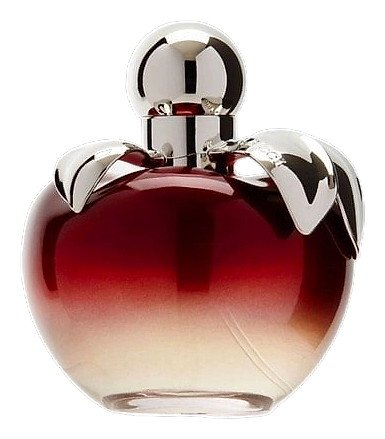
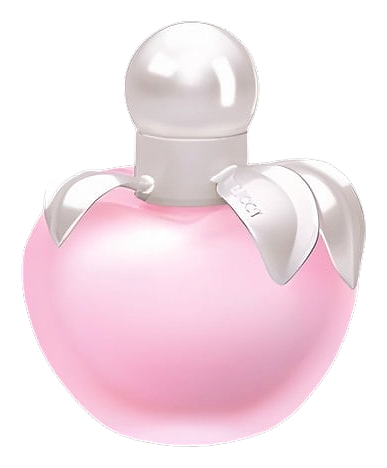
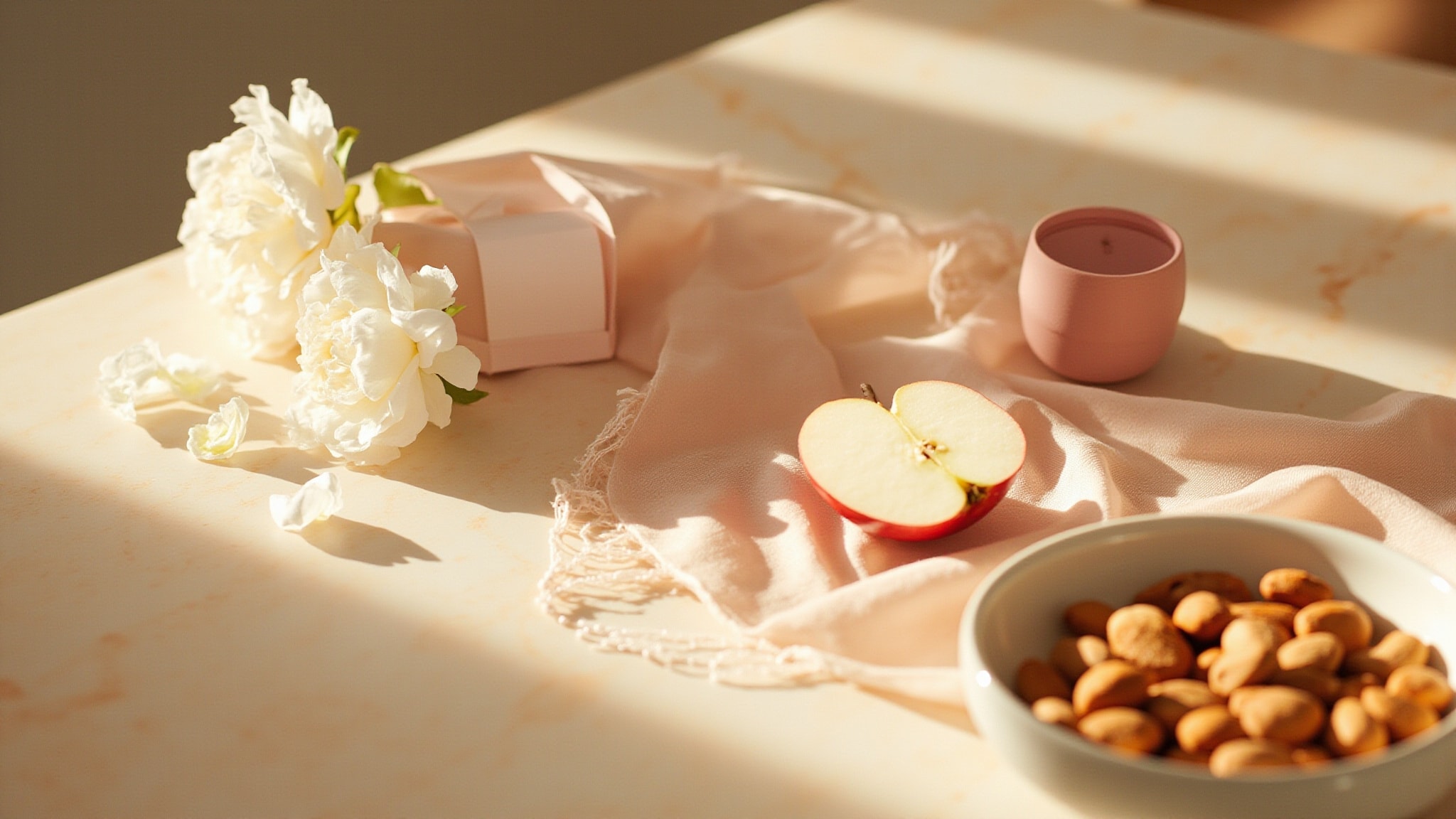
Le Paradis de Nina arrived in April 2010 as a limited edition, designed as a younger sister to the Nina Ricci fragrance. The apple-shaped bottle in pale pink with silver accents carried the weight of its concept from the start. Marie Salamagne and Olivier Cresp built the composition around an edible sweetness that stayed romantic without tipping into gourmand heaviness. Citrus and almond opened bright, gardenia and heliotrope softened the heart, and vanilla-sandalwood grounded the base. The perfumers wanted it to leave a sweet-seductive trace, romantic without being coy about it.
What makes Le Paradis de Nina distinctive is the tension between sweetness and airiness. The African orange blossom keeps the opening from becoming too heavy. The heliotrope and gardenia balance the gourmand notes so it never reads as frosting. And the vanilla-sandalwood base grounds everything in warmth rather than pure sugar. It's the kind of sweet that flirts without overwhelming. Salamagne and Cresp structured the composition around that equilibrium, layering fruit and nut against creamier florals to create something that feels both sweet and refined.
The evolution
The opening hits bright and citrusy, almond adding a soft nuttiness that keeps it from reading as pure fruit. Within minutes the gardenia and heliotrope arrive, turning the composition powdery and floral. The red apple gives a crisp lift at the heart that keeps things from getting too soft. Then the drydown arrives around the two-hour mark. Vanilla and sandalwood settle close, the patchouli adding just enough earth to keep the sweetness grounded. Sillage drops to intimate at this point, a warm trail that only someone standing beside you would catch. The vanilla lingers on skin for hours after, close and warm, never filling a room but impossible to forget. Best experienced in a romantic setting where that closeness is the point.
Cultural impact
Le Paradis de Nina was positioned as a limited edition younger sister to the Nina Ricci fragrance, designed for urban princesses who wanted to leave a sweet-seductive trace in a romantic way. It found its audience among those who wanted sweetness without the usual weight, and the powdery heliotrope helped keep it elegant rather than saccharine. Not a cultural phenomenon, but a quiet favorite for those who found it.