The Story
Why it exists.
The beginning
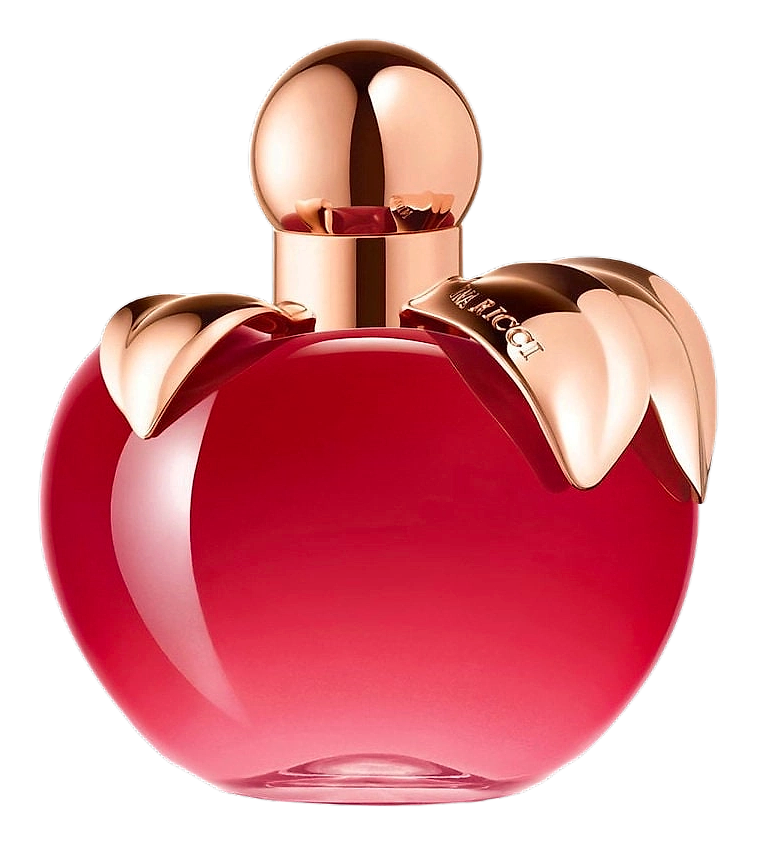
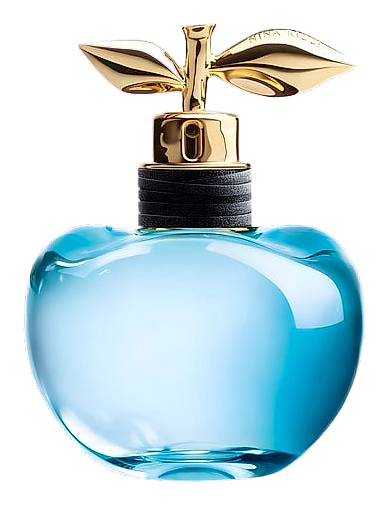
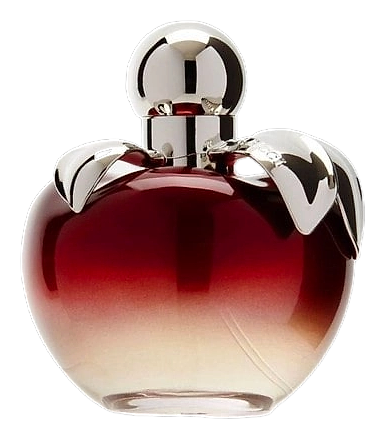
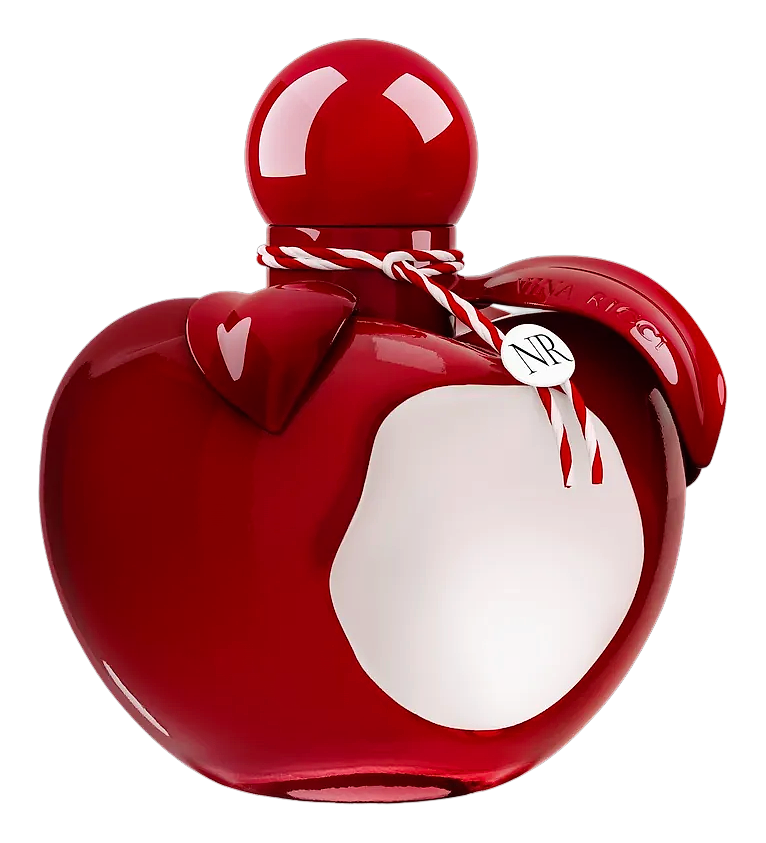
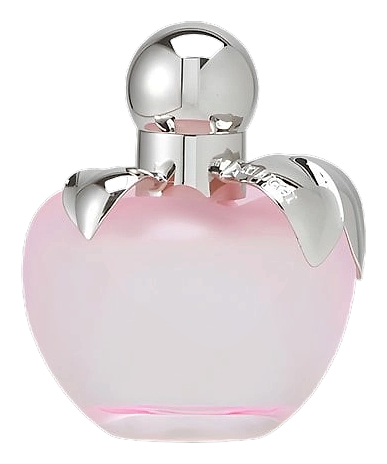
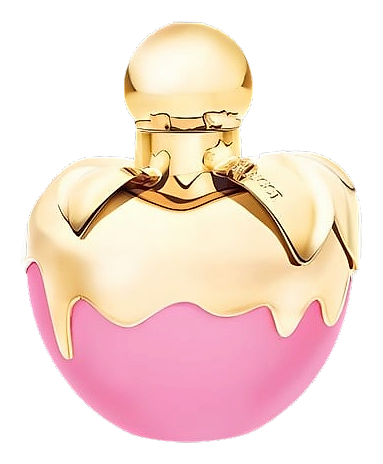
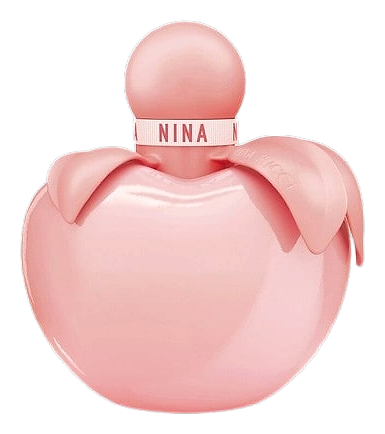
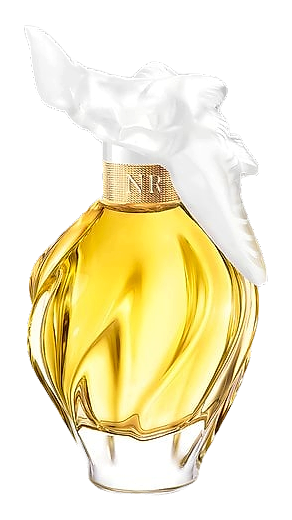
The house of Nina Ricci opened on Rue Haussmann in 1932, built by Maria and her son Robert into one of Paris's most enduring fashion houses. Their legacy centered on femininity, romance, and the belief that clothing should make women feel their most elegant selves. The Nina apple has been with the house since 1948, a silhouette as recognizable as the twin doves on L'Air du Temps. It became an icon of playful femininity, carried by generations of women who wanted a touch of enchantment in their daily lives. Nina Illusion takes that icon and reimagines it for a new moment: 2024, conscious and vegan, built for the woman who wants magic without compromise. Nicolas Bonneville has crafted a fragrance that honors the house's romantic roots while speaking to contemporary values. The result is a scent that feels both rooted in heritage and perfectly suited to the modern moment.
The note structure of Nina Illusion reflects a thoughtful balance between brightness and warmth. Pink pepper and yuzu open the composition with energy and sparkle, creating an introduction that feels both fresh and slightly exotic. The heart of raspberry and orange blossom adds romantic depth, the fruit and floral playing off each other to create something that feels both playful and graceful. The base of patchouli and vanilla grounds the entire experience, bringing warmth and staying power that extends the wear well beyond the initial application. The pairing of yuzu with pink pepper creates an opening that is citrusy without being simple, the pepper adding complexity that keeps the top notes interesting.
The evolution
Nina Illusion begins with a burst of pink pepper and yuzu, an opening that sparkles with citrus energy and a subtle spice that feels both modern and timeless. The pink pepper adds an aromatic edge that prevents the yuzu from feeling too straightforward, while the yuzu brings a tart brightness that energizes the senses. As the fragrance evolves, raspberry emerges alongside orange blossom, the two working together to create a heart that feels both vibrant and gracefully feminine. The raspberry carries a natural sweetness that is balanced by the delicate, slightly indolic quality of orange blossom, creating a mid-section that feels lived-in and authentic rather than overly polished. The drydown introduces patchouli and vanilla, the patchouli providing earthy depth that grounds the composition while vanilla adds a warm, creamy sweetness that lingers on the skin. This final phase feels like a gentle embrace, the kind of warmth that stays close and invites intimacy. The arc moves from brightness through elegance to comfort, each transition smooth and intentional.
Cultural impact
Nina Ricci, the Parisian fashion house founded in 1932, built its identity around romance and feminine charm. The brand's fragrance line, including the beloved L'Air du Temps, has always leaned into optimism and approachability rather than intimidation. Nina Illusion continues this tradition while appealing to a younger demographic seeking fragrances with character that don't overpower shared spaces. In the current fragrance landscape where consumers value clean ingredients, transparency, and responsible sourcing, Nina Illusion's 2024 launch reflects the house's awareness of modern priorities without abandoning its romantic roots.
The House
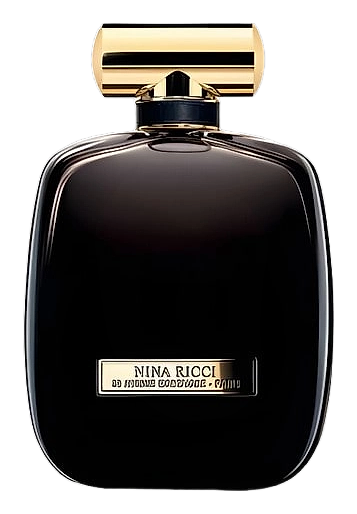
Nina RicciNina Ricci is a Parisian fashion house founded in 1932 by Italian-born designer Maria "Nina" Ricci and her son Robert Ricci. The house began as a couture salon on Rue Haussmann, quickly establishing a reputation for refined, feminine gowns with romantic sensibility. Robert established an in-house perfume division in 1941, though the first fragrance would not arrive until 1946. That inaugural scent, Coeur Joie, marked the beginning of a partnership with Lalique that would define the house's olfactory identity. The house introduced its most celebrated fragrance, L'Air du Temps, in 1948, a scent that remains in production decades later. Puig acquired Nina Ricci in 1998, bringing the house under the same ownership that manages Carolina Herrera and Jean Paul Gaultier. Today, the fragrance collection spans from timeless classics to contemporary offerings like the Nina line, maintaining the house's commitment to feminine elegance.
The Creator
Nicolas Bonneville & Olivier CrespNicolas is passionate about natural raw materials, a devotion that has been inherent to him since childhood. He travels the world to follow harvests: India for jasmine sambac, Italy for mandarin and bergamot, Florence for iris, Tunisia for orange blossom.