
The Story
Why it exists.
The beginning
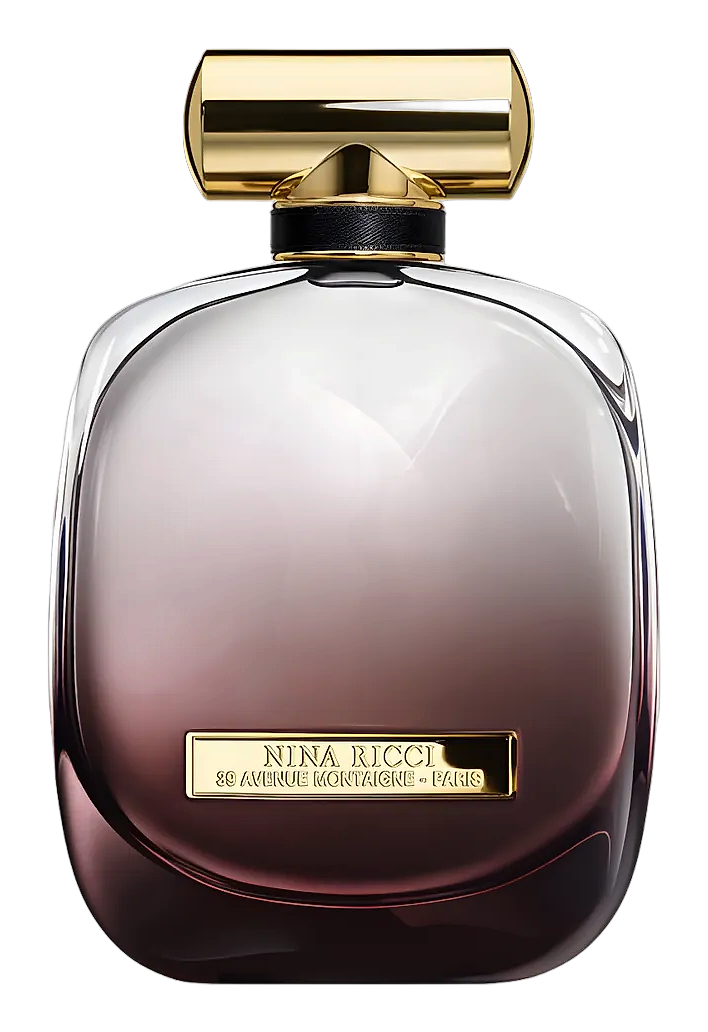
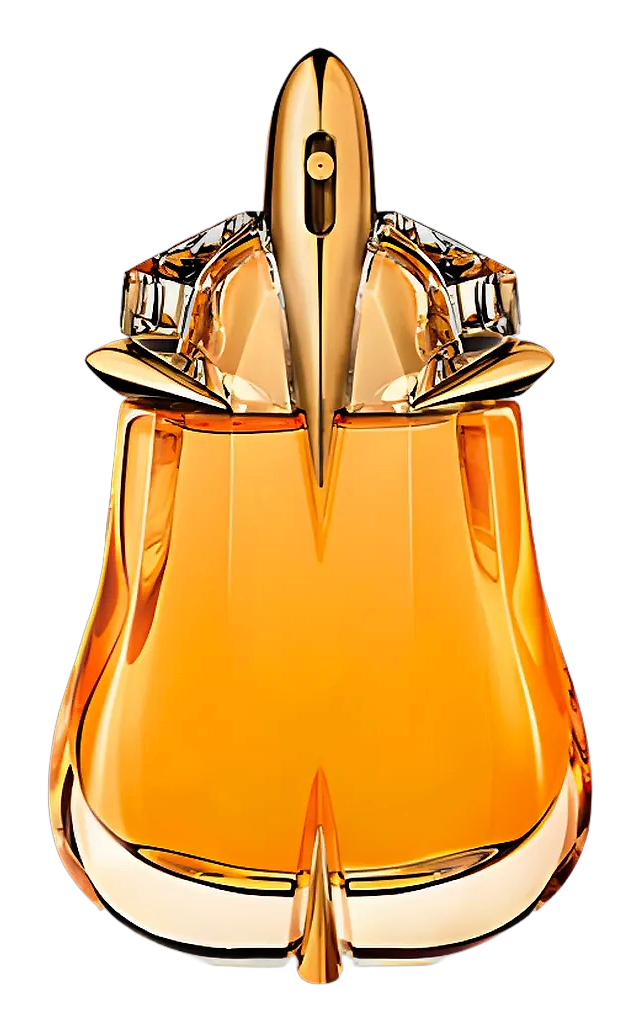
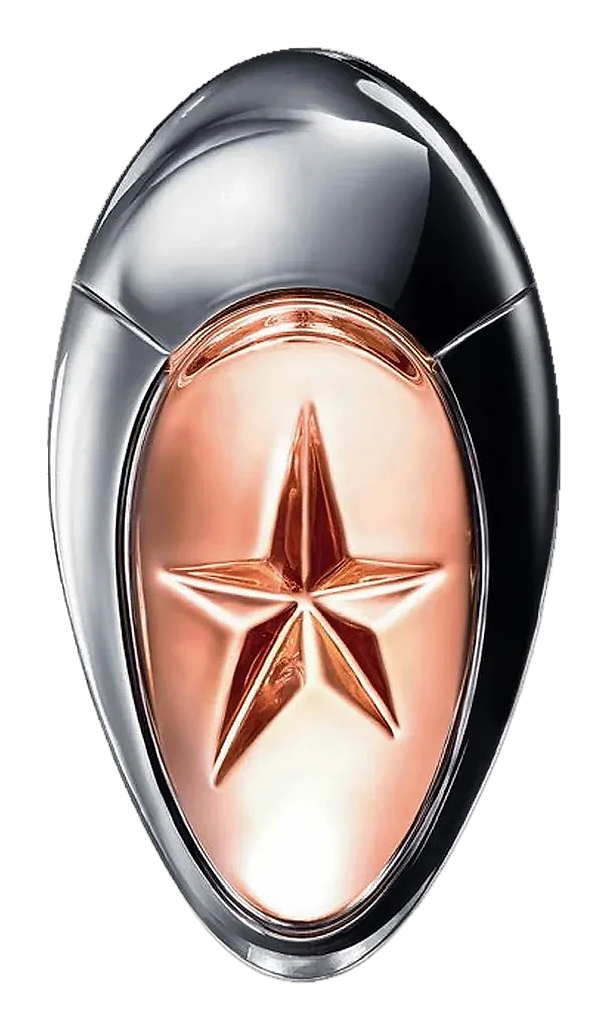
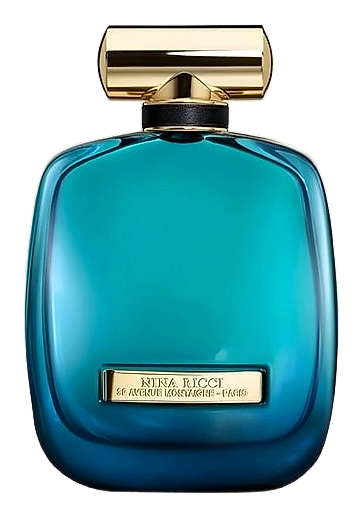
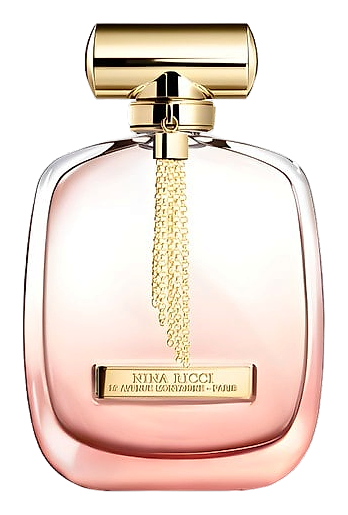
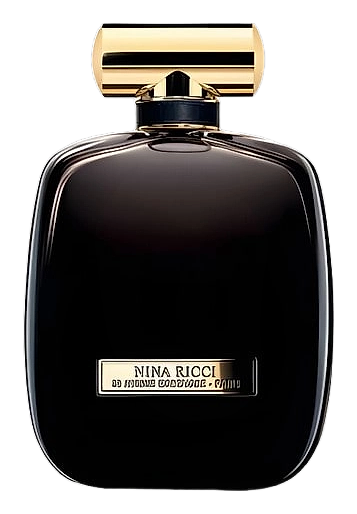
Francis Kurkdjian returned to the L'Extase line in 2017 with a specific intent: go darker. The original L'Extase had launched in 2015, Caresse de Roses in 2016. This third chapter was positioned as the night-time edition, the one you reach for when the occasion demands something more. Taif rose offered the burnt, resinous quality that gives the fragrance its distinctive character, a rose that carries depth and intensity rather than delicate sweetness. The pepper duo at the top, pink and black, was the counterweight, creating an opening that balances the richness of the rose with a sharp, aromatic lift. Together they set the stage for what follows, building an opening that feels both spicy and inviting.
The Taif rose is the star, and it behaves differently here than in most rose fragrances. Instead of fresh and dewy, it's almost burnt, as if the petals carry an unexpected depth. Pairing it with both pink and black pepper creates an opening that feels almost spicy, almost metallic, a deliberate friction before the sweetness arrives. The Atlas cedar in the heart doesn't soften the rose so much as frame it, adding a woody warmth that gives the composition structure while allowing the rose to remain the focal point.
The evolution
The pepper opens sharp and clean, a quick burst of warmth that clears the way. Within minutes the Taif rose moves in, but it doesn't bloom gradually. It arrives already mature, already deep, with that slightly smoky undertone that makes it read as amber rather than floral. The cedar adds structure without coolness, giving the rose somewhere to settle. As time passes, the vanilla and benzoin emerge, turning the fragrance into something warm and resinous that stays close to the skin. The composition lingers with a soft sweetness that feels intimate rather than loud.
Cultural impact
L'Extase Rose Absolue joined a landscape of dark rose fragrances gaining attention in both niche and designer perfume. The use of Taif rose, rather than more common rose materials, offered a different interpretation within the category. The L'Extase line brought a distinctive perspective to the Nina Ricci fragrance wardrobe, moving beyond the house's fruity-floral heritage into something more intense and atmospheric.
The House
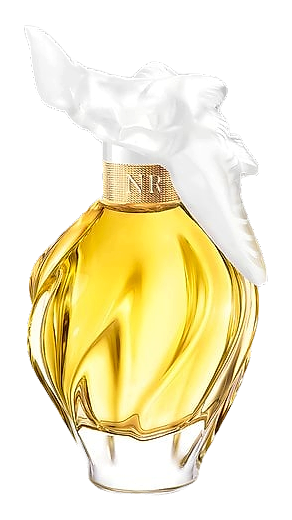
Nina RicciNina Ricci is a Parisian fashion house founded in 1932 by Italian-born designer Maria "Nina" Ricci and her son Robert Ricci. The house began as a couture salon on Rue Haussmann, quickly establishing a reputation for refined, feminine gowns with romantic sensibility. Robert established an in-house perfume division in 1941, though the first fragrance would not arrive until 1946. That inaugural scent, Coeur Joie, marked the beginning of a partnership with Lalique that would define the house's olfactory identity. The house introduced its most celebrated fragrance, L'Air du Temps, in 1948, a scent that remains in production decades later. Puig acquired Nina Ricci in 1998, bringing the house under the same ownership that manages Carolina Herrera and Jean Paul Gaultier. Today, the fragrance collection spans from timeless classics to contemporary offerings like the Nina line, maintaining the house's commitment to feminine elegance.
The Creator
Francis KurkdjianFrancis Kurkdjian's signature style is characterized by a remarkable luminosity and a sophisticated elegance. He often employs a radiant, almost translucent quality in his compositions, even when working with rich or dense materials.