The Story
Why it exists.
The beginning
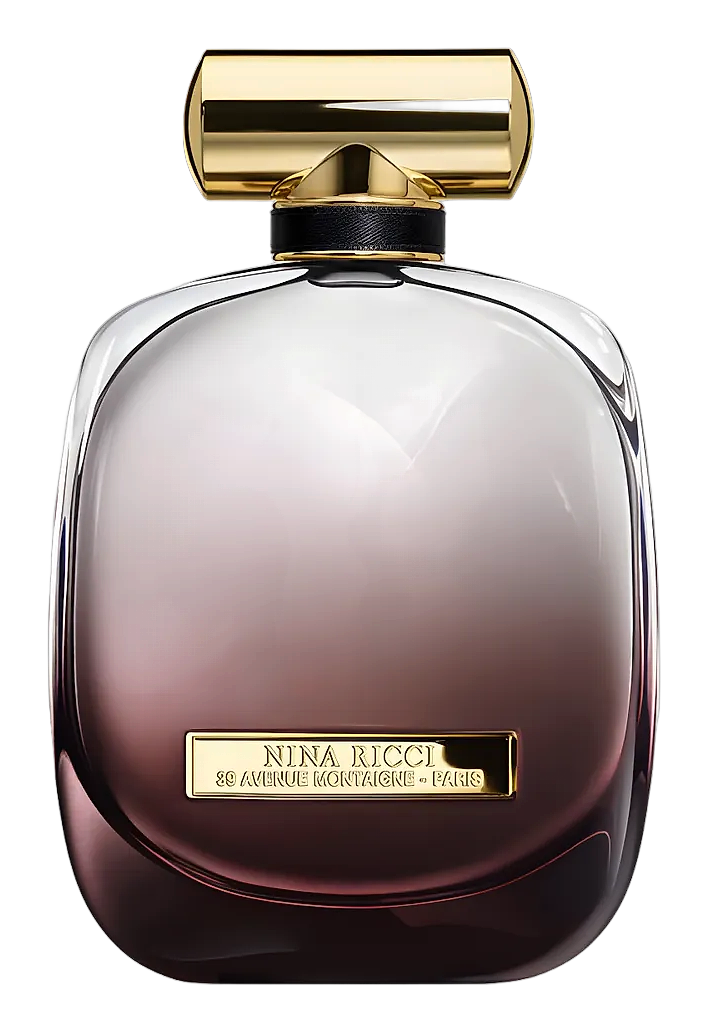
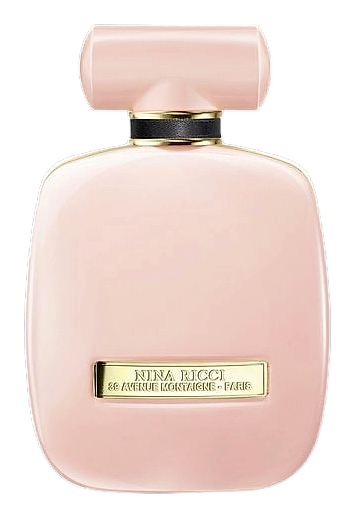
Rose Extase arrived in 2017 from Nina Ricci, the Parisian house that has spent decades translating romantic femininity into scent. Francis Kurkdjian, the nose behind countless modern classics, approached this one with a clear directive: make rose feel new. Not by adding complexity for complexity's sake, but by building upward from a foundation of fruit. Red berries open the composition, bright and tart, before the heart opens into something softer. The name says it all, Extase, ecstasy, a state of being transported. This is a fragrance designed to create a moment, not just a smell.
What makes Rose Extase interesting is its structure. The heart pairs rose absolute with raspberry, two materials that could easily collapse into sweetness overload, but the composition keeps them in balance through the base. Amberwood and musk provide a dry, almost woody undertone that prevents the whole thing from drifting away. Vanilla is present, but it doesn't announce itself; it lingers in the background, warming the drydown. The result is a fragrance that smells expensive without trying too hard, sweet without being childish, floral without being powdery in the old-fashioned way.
The evolution
The opening lasts roughly 15 minutes, red berries, tart and immediate, like the first bite of a raspberry. Then the rose moves in, not dramatically but inevitably, softened by the fruit already on skin. For the next two to three hours, this is a skin-hugger: present when you're close, invisible from across the room. The drydown is where the vanilla and musk take over, adding warmth without weight. On fabric, Rose Extase evolves differently, the raspberry stays brighter, the rose holds its shape longer. On skin, the base notes dominate. Either way, expect 8 to 10 hours of wear with moderate sillage that announces itself only when someone gets close.
Cultural impact
Rose Extase lives in a crowded category, fruity-floral fragrances for women, but it carves out space through sheer likability. The 2017 launch coincided with a moment when sweet fragrances were making a mainstream comeback after years of woody, oud-forward trends. Wearers gravitate toward it for everyday wear, describing it as the kind of scent that makes people ask what you're wearing. The campaign face, Laetitia Casta, reinforces the house's commitment to a certain type of French femininity, effortless, romantic, without trying too hard.