The Story
Why it exists.
The beginning
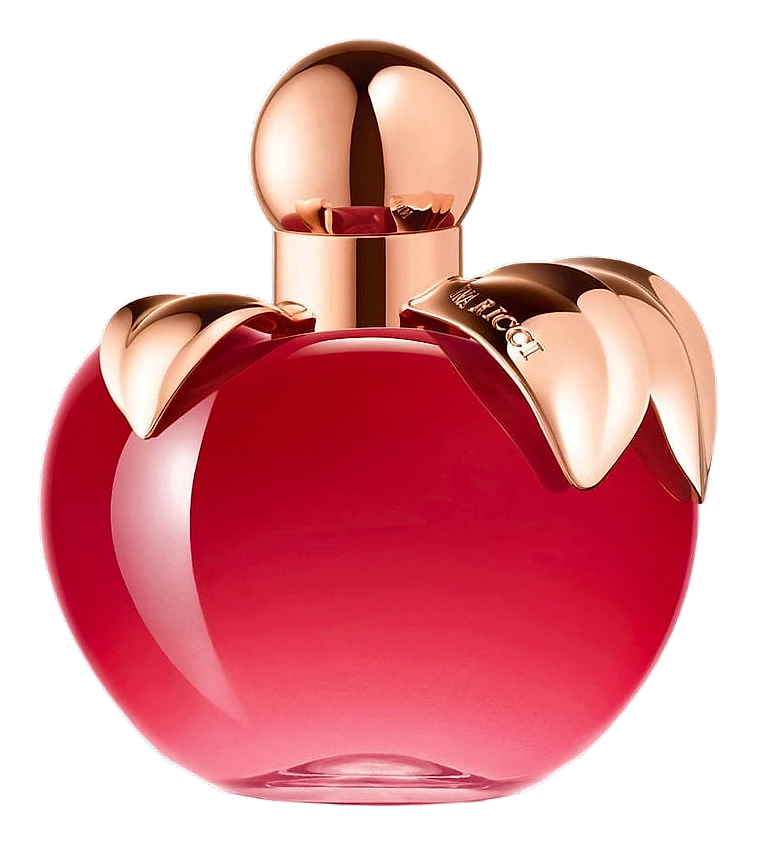
Nina Rose arrived in 2020 as part of the Les Belles de Nina line, the house's ongoing exploration of feminine olfactive characters. Olivier Cresp, who had already composed Nina and Nina Rouge for the house, returned for this edition, working under the direction of new art directors Rushemy Botter and Lisa Herrebrugh. Their mandate was 'cool couture': taking the house's romantic heritage and refracting it through something sharper, more contemporary. The brief wasn't a rose. It was a feeling.
What makes this structure interesting is the orange blossom absolute anchoring the heart. Most fragrances treat orange blossom as a supporting player, here it's the main event, supported by neroli and jasmine rather than the other way around. That inversion gives Nina Rose its particular warmth: heady florals that feel sunlit rather than nocturnal. The pear in the opening isn't just a fruity note, it's a textural choice, adding crispness that keeps the florals from getting heavy. The musk-cedar base keeps everything grounded without dragging it down.
The evolution
The opening is all citrus sparkle, lemon and bergamot hitting clean and bright, the pear adding a barely-there sweetness that keeps it from sharpening. Thirty minutes in, the orange blossom absolute takes over. This is where it gets interesting: there's an indolic quality to the jasmine-heart blend that gives it a warm, skin-close quality even in the opening stages. Not dirty, just alive. The neroli bridges the citrus and the florals, keeping the transition smooth rather than dramatic. By hour two, the florals settle into the musk base. The cedar adds a quiet woody undertone that stops the drydown from disappearing entirely. On most skin types, you're looking at 4-6 hours of wear, it doesn't transform dramatically, but it holds its shape. Moderate sillage means it announces itself in close conversation, not across the room.
Cultural impact
Nina Rose belongs to the Les Belles de Nina line, which has built its identity around distinct feminine characters, each fragrance a different personality within the house's romantic vocabulary. The 2020 edition arrived under new creative direction with a 'cool couture' mandate, positioning the house's romantic heritage in a more contemporary key. It's accessible without being safe, optimistic without being naive.