
The Story
Why it exists.
The beginning
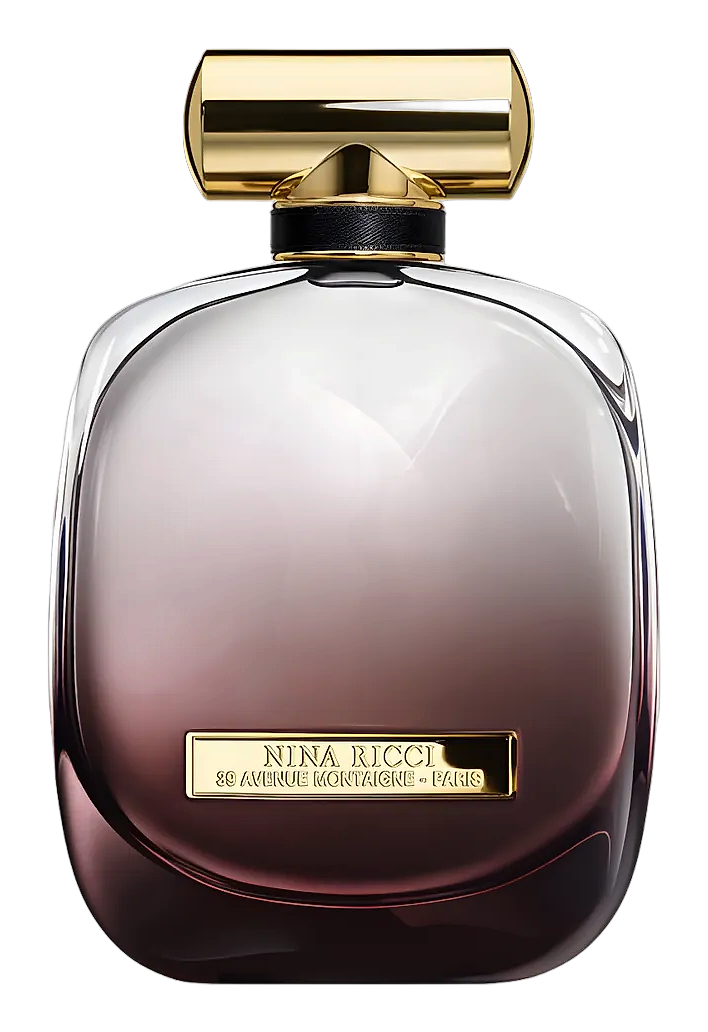
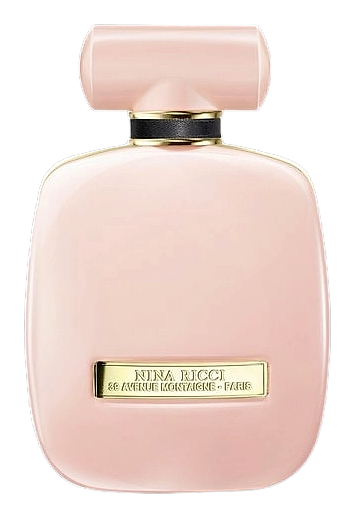
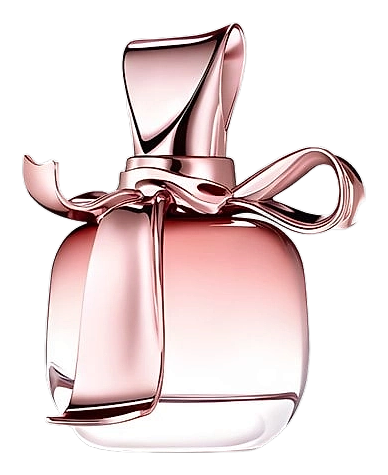
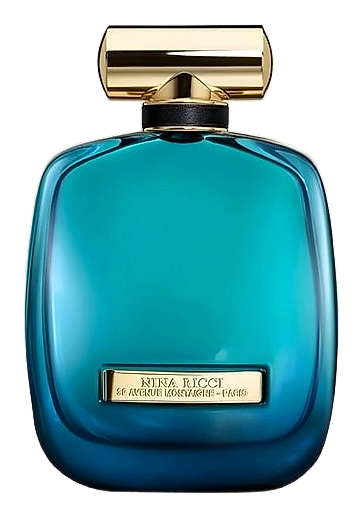
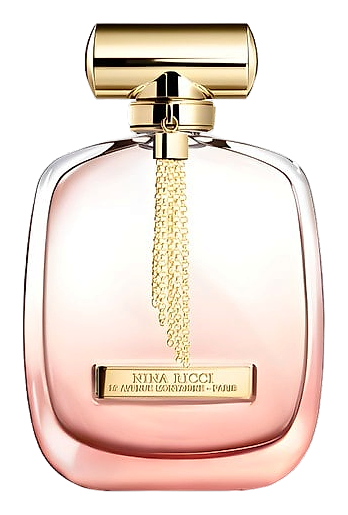
L'Extase Caresse de Roses arrived in 2016 as a softer interpretation of Nina Ricci's L'Extase, launched the year before. Francis Kurkdjian built this flanker around the idea of roses worn close to skin, Bulgarian and Turkish varieties, layered with pear and bergamot for freshness, then peony and lily of the valley to soften the structure. The goal wasn't volume. It was intimacy. The concept of a naked body covered by a scented veil came directly from the brand, and Kurkdjian translated that into a fragrance that stays quiet, close, and present rather than announcing itself across a room. Laetitia Casta photographed for the campaign embodied that restraint, sensuality without excess.
The dual rose approach is the structural choice here. Bulgarian rose brings depth and a hint of jam; Turkish rose adds a slightly spicier edge. Together, they avoid the potpourri trap that sinks so many rose fragrances. The peony and lily of the valley in the heart create a creamy white-floral quality that feels modern rather than nostalgic. Then the base, white musk and violet, does the real work: it keeps the drydown intimate, powdery-soft, and persistent without ever becoming heavy. Patchouli anchors everything, preventing the whole thing from floating away.
The evolution
The opening announces itself with crisp clarity. Bergamot and pear arrive together, clean, bright, with the pear doing something almost aqueous against the skin. It's cool for the first ten minutes, like biting into a just-ripened fruit on a warm morning. Then the hand-off happens: bergamot fades, and the rose-peony heart takes its place. Bulgarian and Turkish roses bloom into something softer, supported by peony and a ghost of raspberry that adds just a flicker of brightness. The lily of the valley keeps everything grounded in that creamy white-floral territory. By hour three, the drydown settles into white musk and violet, powdery, intimate, close enough to catch on the exhale. It doesn't project much after that, but it lingers. On fabric, it holds until the next morning.
Cultural impact
L'Extase Caresse de Roses entered a crowded rose market with a bold bet: lead with crisp, dewy pear instead of the expected floral opening. The gamble reflected a broader shift in feminine perfumery toward fruit-forward compositions that felt modern and accessible rather than classically romantic. Nina Ricci positioned the fragrance as an evolution of the original L'Extase, softening its darker edges into something more approachable. The launch coincided with a period when major houses were experimenting with unconventional top notes, using pear and other orchard fruits to signal freshness without relying on traditional citrus.
The House
Nina RicciNina Ricci is a Parisian fashion house founded in 1932 by Italian-born designer Maria "Nina" Ricci and her son Robert Ricci. The house began as a couture salon on Rue Haussmann, quickly establishing a reputation for refined, feminine gowns with romantic sensibility. Robert established an in-house perfume division in 1941, though the first fragrance would not arrive until 1946. That inaugural scent, Coeur Joie, marked the beginning of a partnership with Lalique that would define the house's olfactory identity. The house introduced its most celebrated fragrance, L'Air du Temps, in 1948, a scent that remains in production decades later. Puig acquired Nina Ricci in 1998, bringing the house under the same ownership that manages Carolina Herrera and Jean Paul Gaultier. Today, the fragrance collection spans from timeless classics to contemporary offerings like the Nina line, maintaining the house's commitment to feminine elegance.
The Creator
Francis KurkdjianFrancis Kurkdjian's signature style is characterized by a remarkable luminosity and a sophisticated elegance. He often employs a radiant, almost translucent quality in his compositions, even when working with rich or dense materials.