
The Story
Why it exists.
The beginning
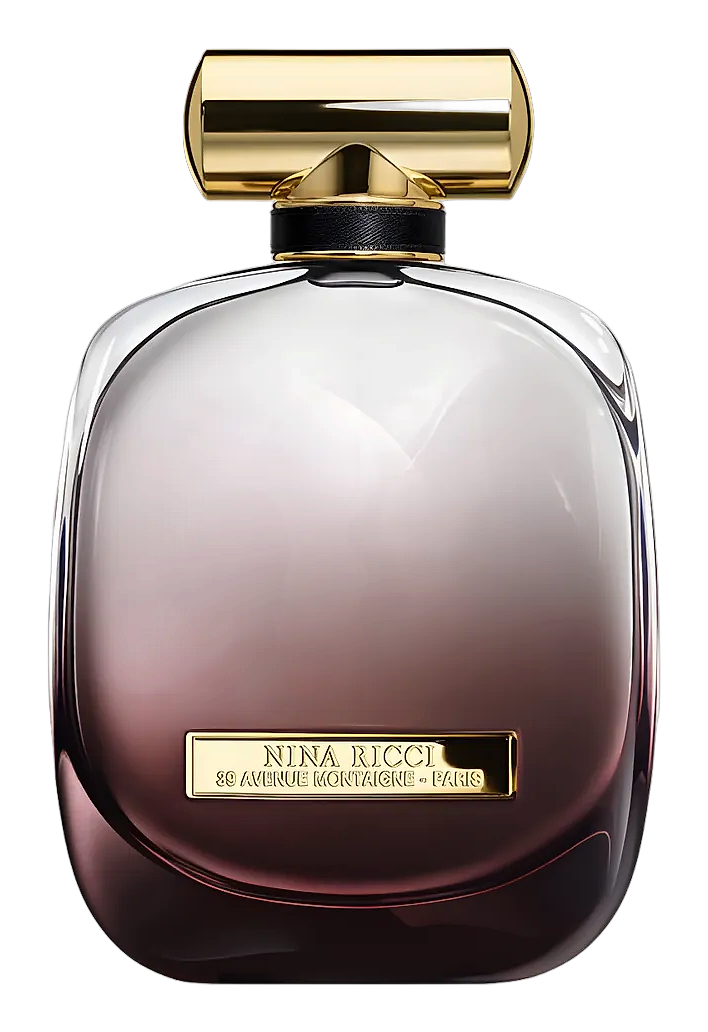
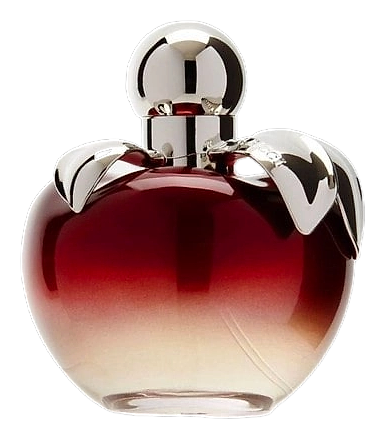
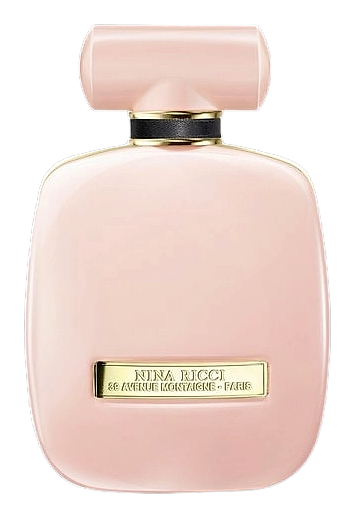
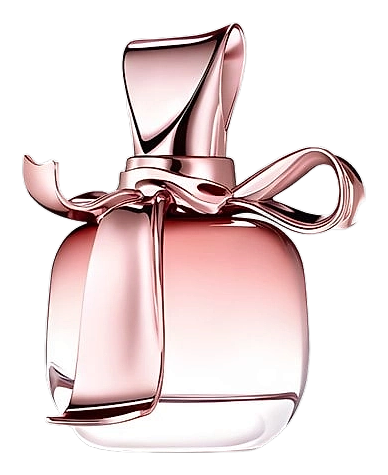
Mademoiselle Ricci arrived in 2012, Alberto Morillas behind the composition, the Nina Ricci name above it. The name alone says something. Not a concept, not a place. A person. The woman herself, in her own house. Morillas built this one around wild rose and rose hip from the start. Natural rose, not composed. The surprise sits at the heart: nerium oleander, powdery and unexpected, giving the whole thing a slightly untamed quality. It doesn't feel like a calculated move. It feels like something that arrived naturally and stayed because it worked. The wild rose opens with a brightness that feels immediate rather than staged, the kind of pink that catches light rather than shouting for attention.
The nerium oleander is what makes Mademoiselle Ricci worth talking about. It's the powdery floral signature, the thing people reach for when they want to describe the effect without listing notes. What it gives is structure around the rose, a sense of composed softness that doesn't rely on heavy vintage powder to achieve it. The wild rose and rose hip keep the rose feeling organic rather than constructed. There's a quality underneath the powder that stops it from reading as something applied, a sense of coherence that feels intrinsic rather than imposed.
The evolution
The opening burst of wild rose and raspberry hits bright and clean, a quick flash of color, nothing complicated. The pink pepper sits quietly underneath, just enough spice to keep the sweetness from feeling soft. Ten minutes in, the nerium oleander announces itself. This is where it either clicks or doesn't. A powdery floral that some people read as grand, but read it again. It settles. Within fifteen minutes the powder takes on a different quality, something almost herbaceous beneath it, and suddenly it reads as natural rather than retro. The rose hip amplifies this, adding a tartness that keeps the rose from becoming saccharine. By the second hour the powdery floral softens into something rosier, muskier. The woody notes arrive without fanfare, the cedar barely distinguishable from the white wood and violet wrapping around it. The drydown is intimate by design.
Cultural impact
Mademoiselle Ricci offers rose for someone who doesn't want rose to announce itself. The powdery oleander at its heart makes it distinctive. It draws comparisons to Chloe EDP and Kenzo Flower, but reads as more refined than both. The kind of fragrance that stays with you, quietly present without ever demanding attention. Where some rose fragrances announce themselves immediately and then fade, this one unfolds gradually, revealing its complexity over hours rather than minutes. The powdery quality that makes it distinctive also makes it versatile, able to work in contexts where louder florals would feel inappropriate.
The House
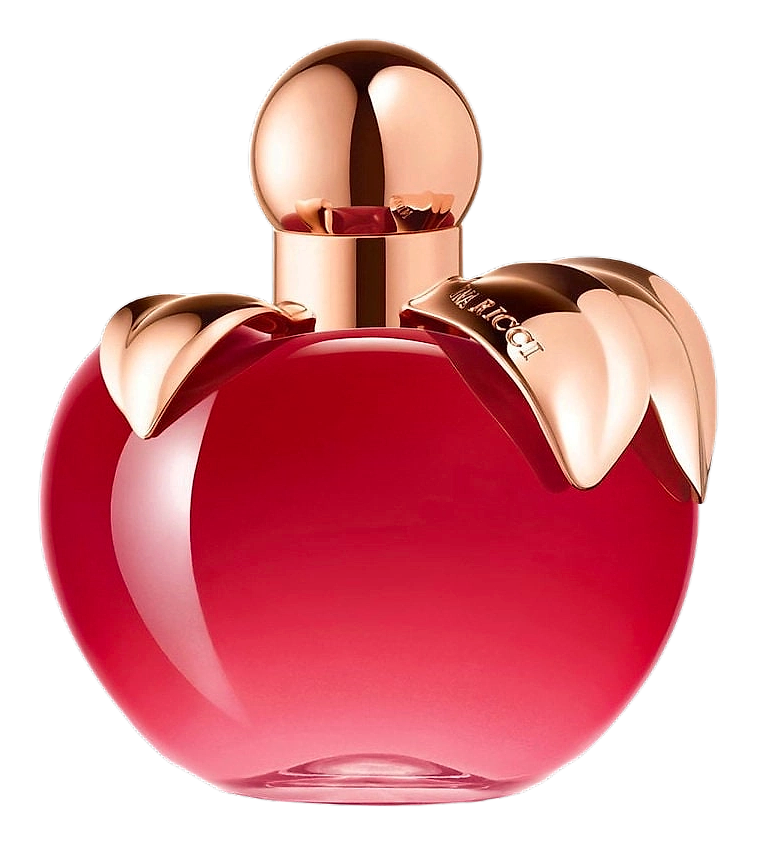
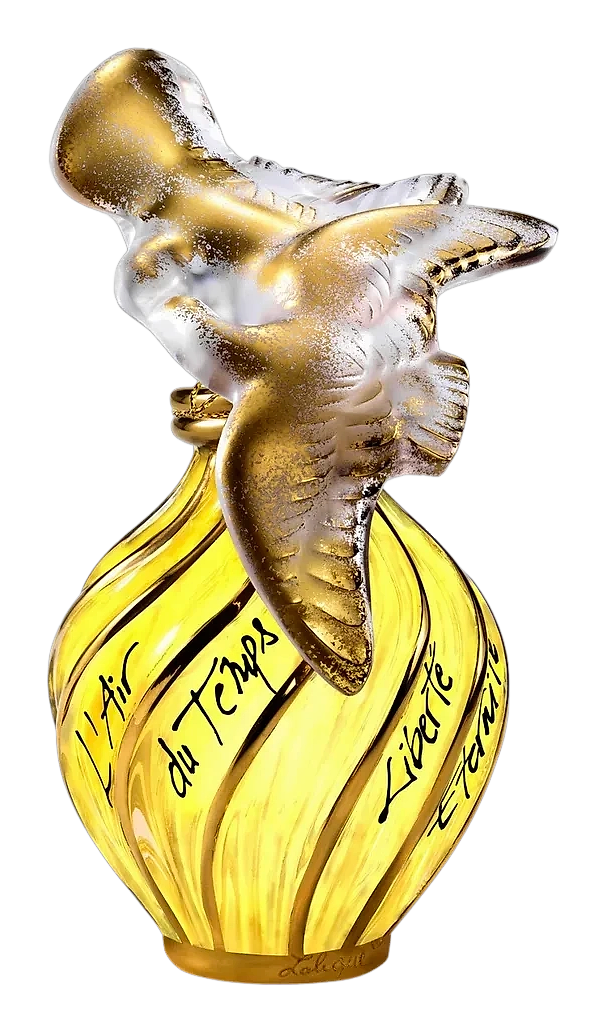
Nina RicciNina Ricci is a Parisian fashion house founded in 1932 by Italian-born designer Maria "Nina" Ricci and her son Robert Ricci. The house began as a couture salon on Rue Haussmann, quickly establishing a reputation for refined, feminine gowns with romantic sensibility. Robert established an in-house perfume division in 1941, though the first fragrance would not arrive until 1946. That inaugural scent, Coeur Joie, marked the beginning of a partnership with Lalique that would define the house's olfactory identity. The house introduced its most celebrated fragrance, L'Air du Temps, in 1948, a scent that remains in production decades later. Puig acquired Nina Ricci in 1998, bringing the house under the same ownership that manages Carolina Herrera and Jean Paul Gaultier. Today, the fragrance collection spans from timeless classics to contemporary offerings like the Nina line, maintaining the house's commitment to feminine elegance.
The Creator
Alberto MorillasMorillas' style is characterized by a luminous transparency and a masterful use of musks. He often incorporates citrus notes to create a bright, uplifting effect.