
The Story
Why it exists.
The beginning
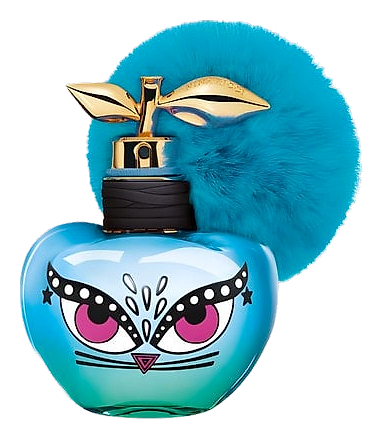
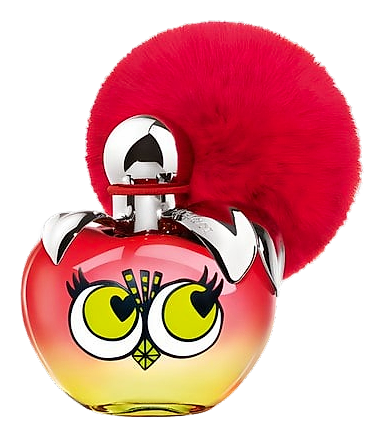
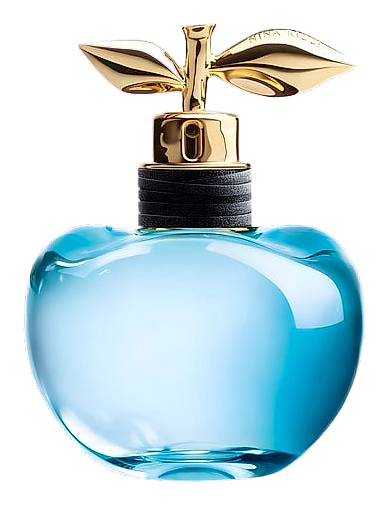
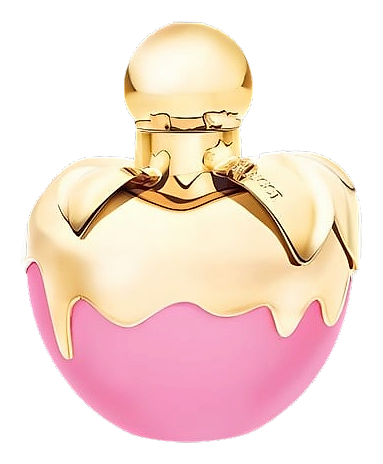
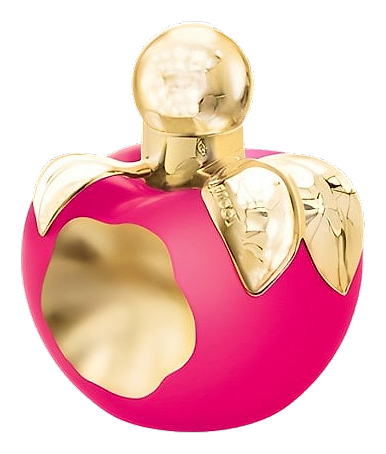
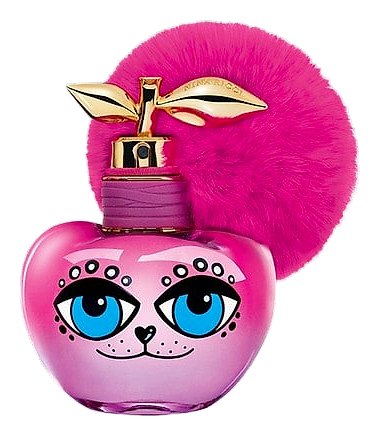
Nina Ricci launched Les Monstres de Nina Ricci in January 2018, a collection of limited-edition flankers reimagined by Brazilian artists Ana Strumpf and Guto Requena. Luna Blossom was crafted specifically for the Asian market, where mochi is a familiar comfort. Fabrice Pellegrin built the composition around Japanese mochi rice cake and orange blossom, materials chosen for their sensory qualities. The result is a fragrance that smells like a place, not a concept.
Mochi in perfumery isn't just about sweetness. It's about texture, the sticky, slightly chewy weight that rice brings to the composition. It weaves through the other elements, adding body where needed. Frangipani arrives as a bridge, bringing tropical florals into the composition. Before ambroxan and vanilla absolute settle into a drydown that feels less like perfume and more like skin-warm fabric. The rice note is what makes it hold together, the thread running through everything else.
The evolution
The opening hits crisp. Granny Smith apple cuts through orange blossom like a window thrown open, bright, tart, immediate. Not synthetic fresh. Actual fruit. The mochi appears as a warmth develops, a softening. Frangipani follows, slow and creamy, taking over like fog rolling in over water. Then the ambroxan arrives, that salty, mineral depth that keeps the sweetness from becoming cloying. The vanilla absolute arrives last and lingers. On fabric, this scent can still be detected the next day. The sillage stays close and personal rather than filling a room.
Cultural impact
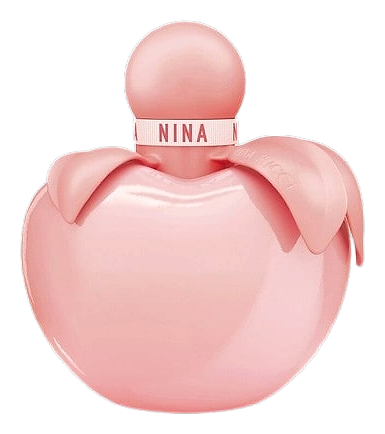
Part of the Les Monstres collection, Luna Blossom brings a different energy to Nina Ricci's approach. The monster branding suggests something playful and unexpected. The apple-orange blossom combination blends fruity freshness with Mediterranean florals. Collections that tell stories through scent have become a notable approach in contemporary perfumery. Luna Blossom captures this idea through its layered composition, moving from bright fruit notes through creamy florals to a warm, lingering base. Each stage of the fragrance unfolds with intention, creating a narrative that develops as you wear it.
The House
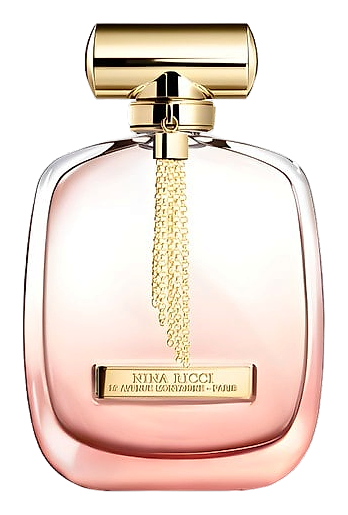
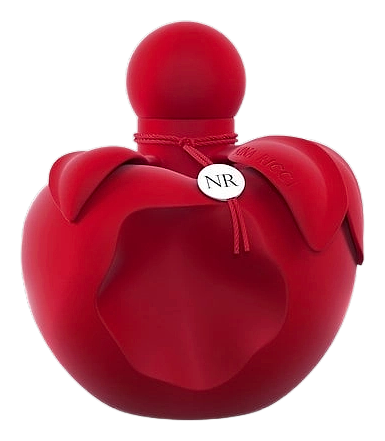
Nina RicciNina Ricci is a Parisian fashion house founded in 1932 by Italian-born designer Maria "Nina" Ricci and her son Robert Ricci. The house began as a couture salon on Rue Haussmann, quickly establishing a reputation for refined, feminine gowns with romantic sensibility. Robert established an in-house perfume division in 1941, though the first fragrance would not arrive until 1946. That inaugural scent, Coeur Joie, marked the beginning of a partnership with Lalique that would define the house's olfactory identity. The house introduced its most celebrated fragrance, L'Air du Temps, in 1948, a scent that remains in production decades later. Puig acquired Nina Ricci in 1998, bringing the house under the same ownership that manages Carolina Herrera and Jean Paul Gaultier. Today, the fragrance collection spans from timeless classics to contemporary offerings like the Nina line, maintaining the house's commitment to feminine elegance.
The Creator
Fabrice PellegrinPellegrin's style often leans towards a bright, fresh feel, frequently incorporating citrus notes and clean musks. He's known for his skill in creating light and airy fragrances, yet with surprising depth and longevity.