
The Story
Why it exists.
The beginning
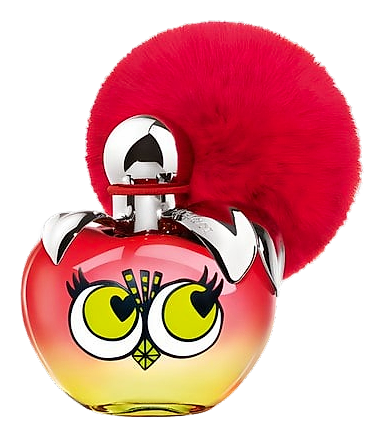
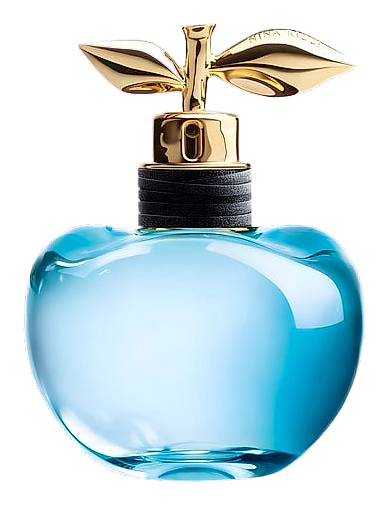
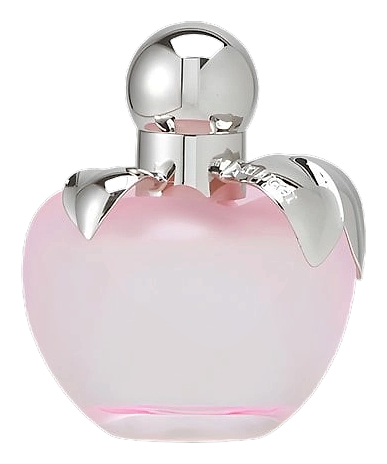
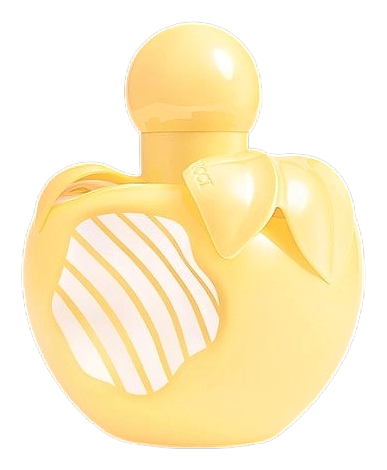
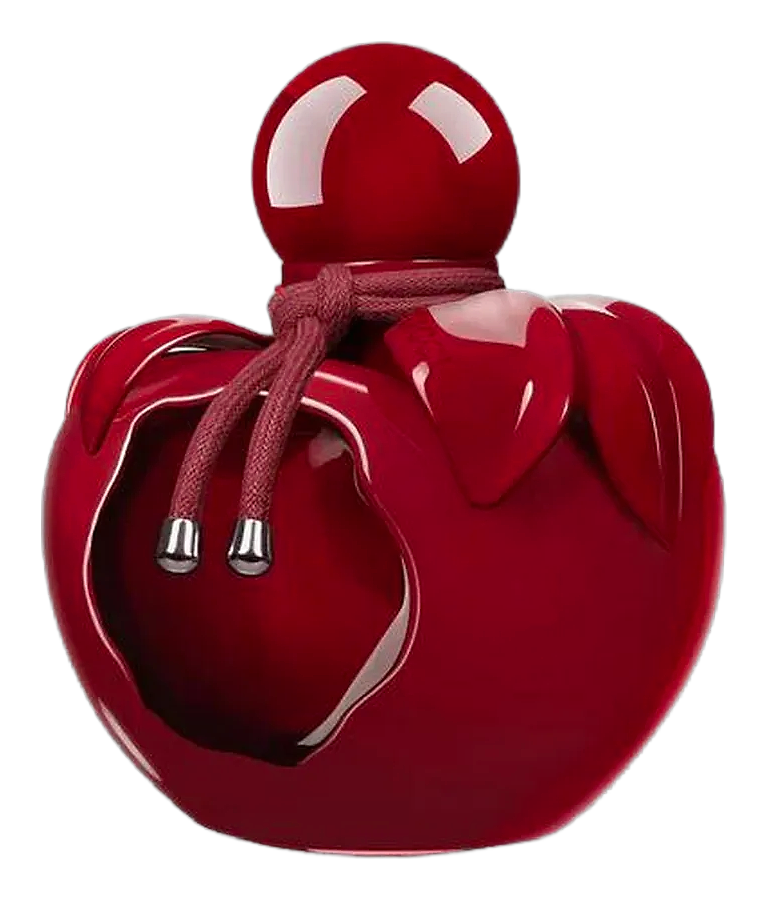
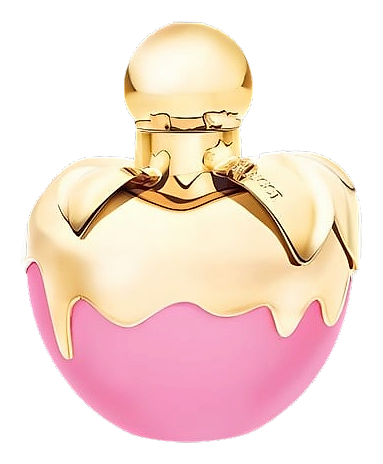
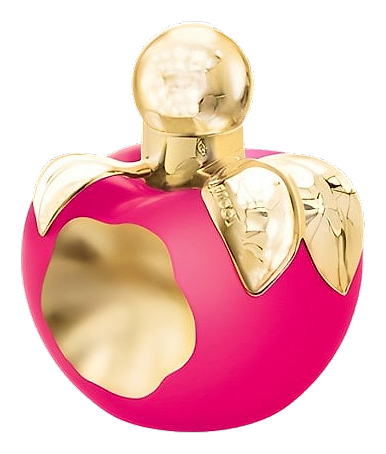
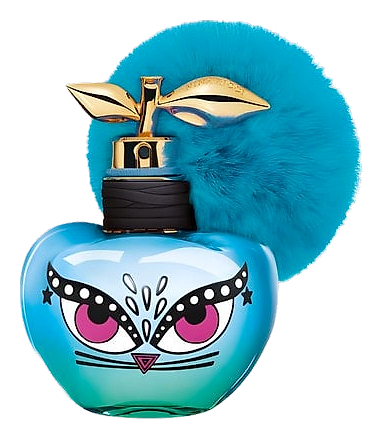
In 2018, Nina Ricci launched Les Monstres de Nina Ricci, a limited-edition series that reimagined their Nina fragrance bottles as works of art. For Luna, Brazilian designers Ana Strumpf and Guto Requena transformed the iconic shape into a collectible blue apple with drawn pink eyes and a blue pom-pom around the neck. The name itself, Monstres, suggests that beautiful things can have a playful, even mischievous, side. This is exactly what Luna delivers: a fragrance that's sweet, warm, and completely unbothered about being taken seriously.
Christophe Raynaud approached Luna as a gourmand composition with a playful heart, fresh pineapple and lime opening, warm caramel finishing. The structure is deceptively simple: bright, then soft, then sweet. What makes it work is the balance. The citrus doesn't fight the caramel. The florals don't get buried. It's the kind of sweetness that works because it doesn't try to convince you it's sophisticated. It's just... here, and glad of it.
The evolution
The opening hits immediately, pineapple and lime doing that bright, juicy thing tropical notes do best. For about the first hour, it's all citrus energy. Then the heart takes over: freesia and orange blossom softening the edges, introducing something rounder and warmer. The drydown is where Luna becomes itself. Caramel and blond woods arrive together, the caramel holding steady while the woods add just enough warmth to keep it from cloying. By the final hours, it's skin-close and sweet, the kind of finish that makes you lean in. Lasts 6-8 hours on most. Moderate sillage throughout, no dramatic projection, just presence.
Cultural impact
Part of the Les Monstres de Nina Ricci collection, a series of limited editions that treat fragrance bottles as art objects. The 2018 release positioned Luna as a collector's piece as much as a perfume, appealing to those who want something with personality and a conversation-starting bottle.
The House
Nina RicciNina Ricci is a Parisian fashion house founded in 1932 by Italian-born designer Maria "Nina" Ricci and her son Robert Ricci. The house began as a couture salon on Rue Haussmann, quickly establishing a reputation for refined, feminine gowns with romantic sensibility. Robert established an in-house perfume division in 1941, though the first fragrance would not arrive until 1946. That inaugural scent, Coeur Joie, marked the beginning of a partnership with Lalique that would define the house's olfactory identity. The house introduced its most celebrated fragrance, L'Air du Temps, in 1948, a scent that remains in production decades later. Puig acquired Nina Ricci in 1998, bringing the house under the same ownership that manages Carolina Herrera and Jean Paul Gaultier. Today, the fragrance collection spans from timeless classics to contemporary offerings like the Nina line, maintaining the house's commitment to feminine elegance.
The Creator
Christophe Raynaud & Marie SalamagneWhile it's difficult to pinpoint a single defining characteristic across all of Raynaud's creations, there's often a sense of balance and sophistication. He's not necessarily known for overly avant-garde or challenging compositions; instead, he seems to favor well-structured f…