
The Story
Why it exists.
The beginning
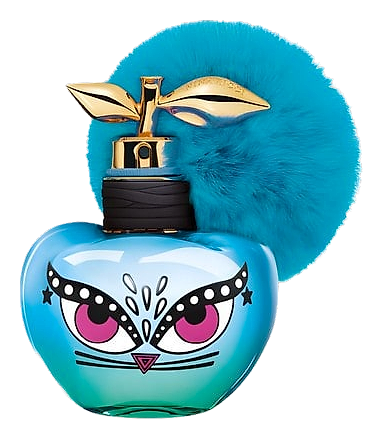
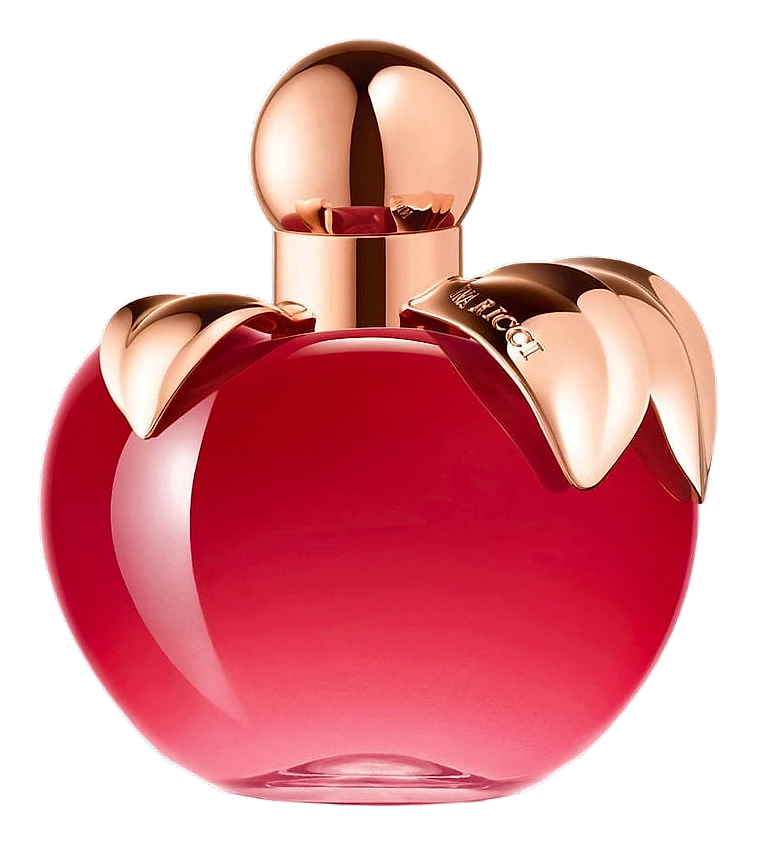
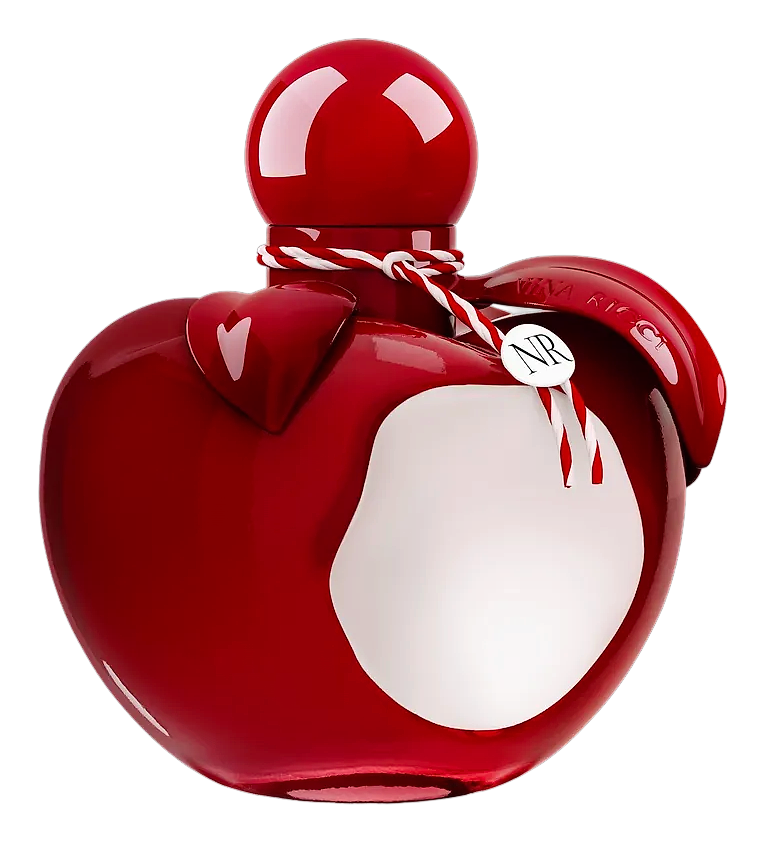
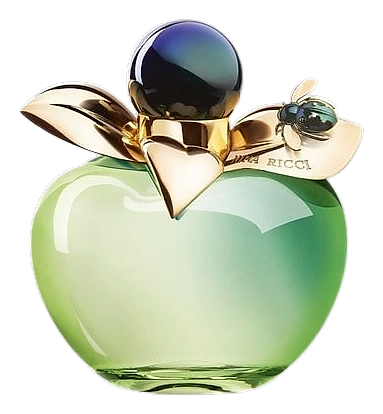
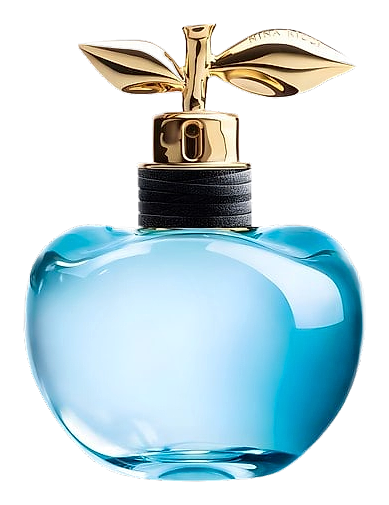
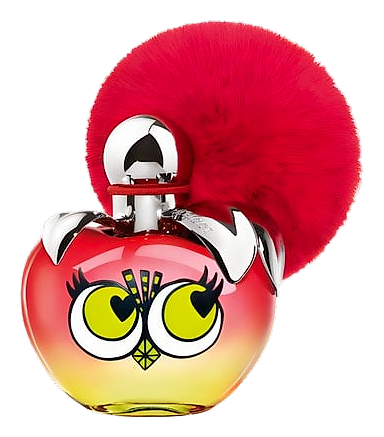
Les Monstres de Nina Ricci, the name itself is the concept. 'Les Monstres' translates the house's beloved Nina and Luna characters into something stranger, more mischievous. Where the 2006 Nina played innocent, this version plays back. Launched in 2018 as a limited collaboration, the bottle was reimagined by Brazilian artists Ana Strumpf and Guto Requena, bringing a playful, graphic energy to the apple-shaped silhouette that has defined the franchise for over a decade. Olivier Cresp built the composition around the original's DNA, blackcurrant, pear, cotton candy, but pushed everything further. Sweeter. Richer. More layered. The ambroxan and tonka bean base adds a depth the 2006 version never had, making this a true reimagining rather than a simple repackage.
What makes this composition work is the ambroxan. It's not a note you expect in a sweet-fruity fragrance, more common in skin-focused or marine compositions, but here it does something crucial: it turns cotton candy's stickiness into something that feels like skin warmth rather than confection. The tonka bean extends the sweetness without adding weight, creating a drydown that lingers close to the body for hours. Cotton candy is the heart of this fragrance, but ambroxan is its backbone.
The evolution
The opening is immediate: blackcurrant and pear collide in a tart-sweet burst that reads almost candy-like. Within the first thirty minutes, the cotton candy asserts itself, sticky, sweet, unmistakably playful. The peony arrives quietly, adding a powdery floral layer that keeps the composition from tipping fully into gourmand territory. Then the base takes over. Ambroxan emerges as something close to skin, warm, slightly salty, intimate. Tonka bean follows, extending the sweetness into a drydown that doesn't smell like a room. It smells like the warmth of someone close.
Cultural impact
The Les Monstres collection marked a deliberate artistic statement within the Nina Ricci fragrance franchise, using a collaboration with Brazilian artists to reframe the house's most beloved characters. For a house known primarily for romantic elegance, introducing 'monsters' was a playful subversion, a reminder that femininity has more than one register.