Mochi
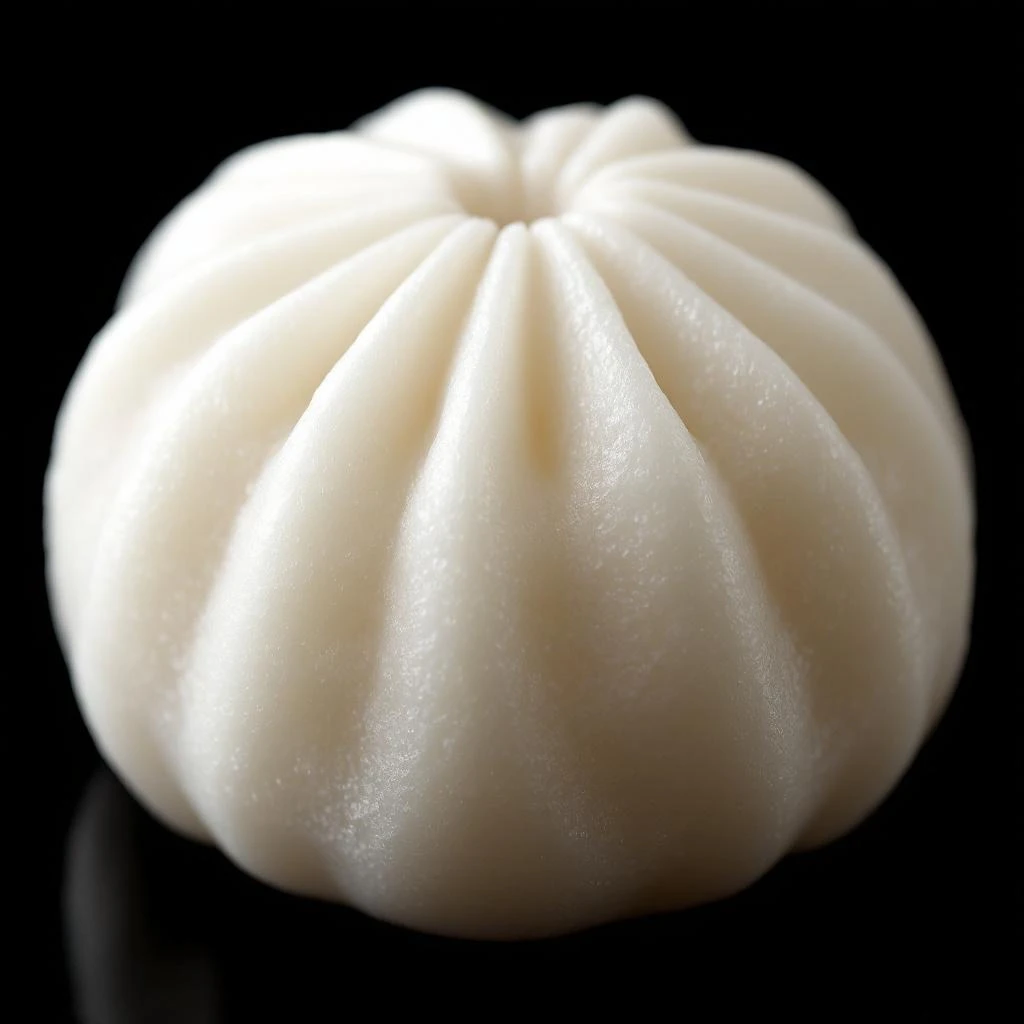
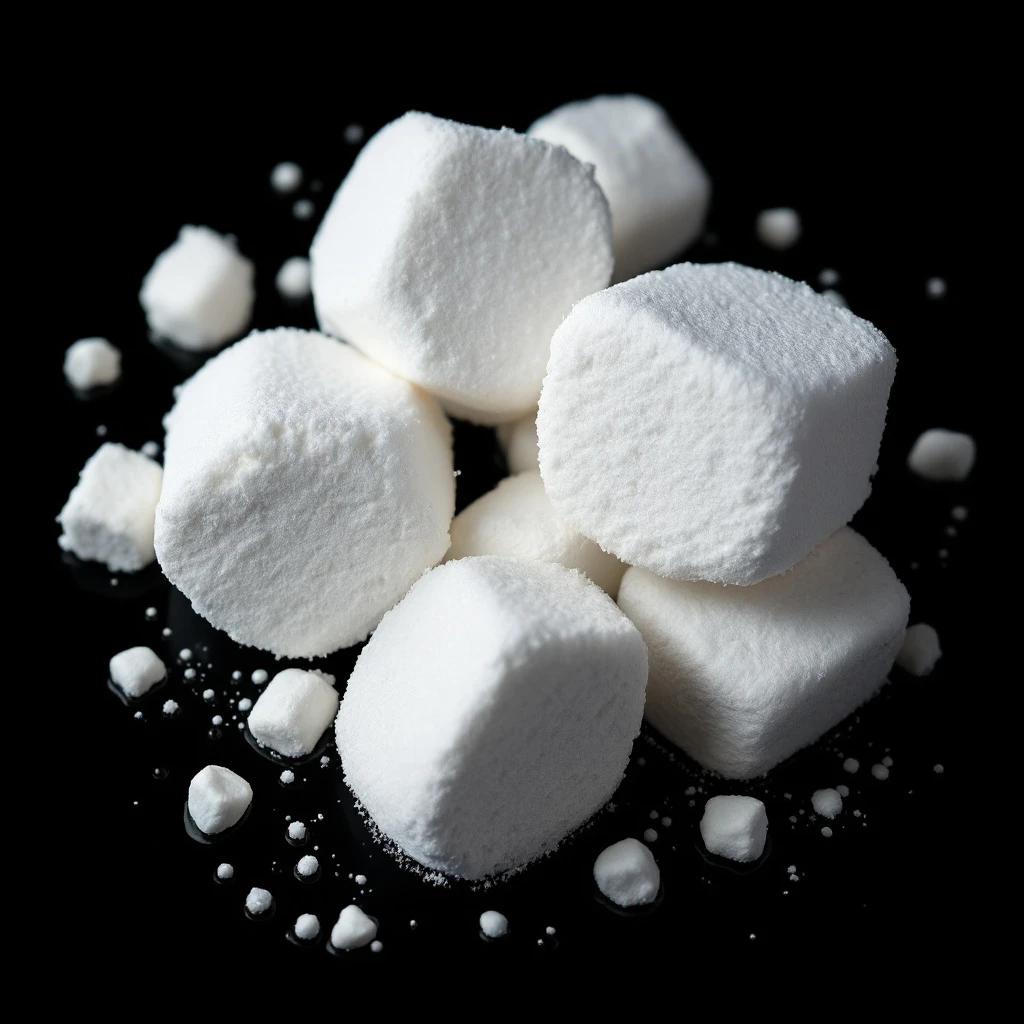
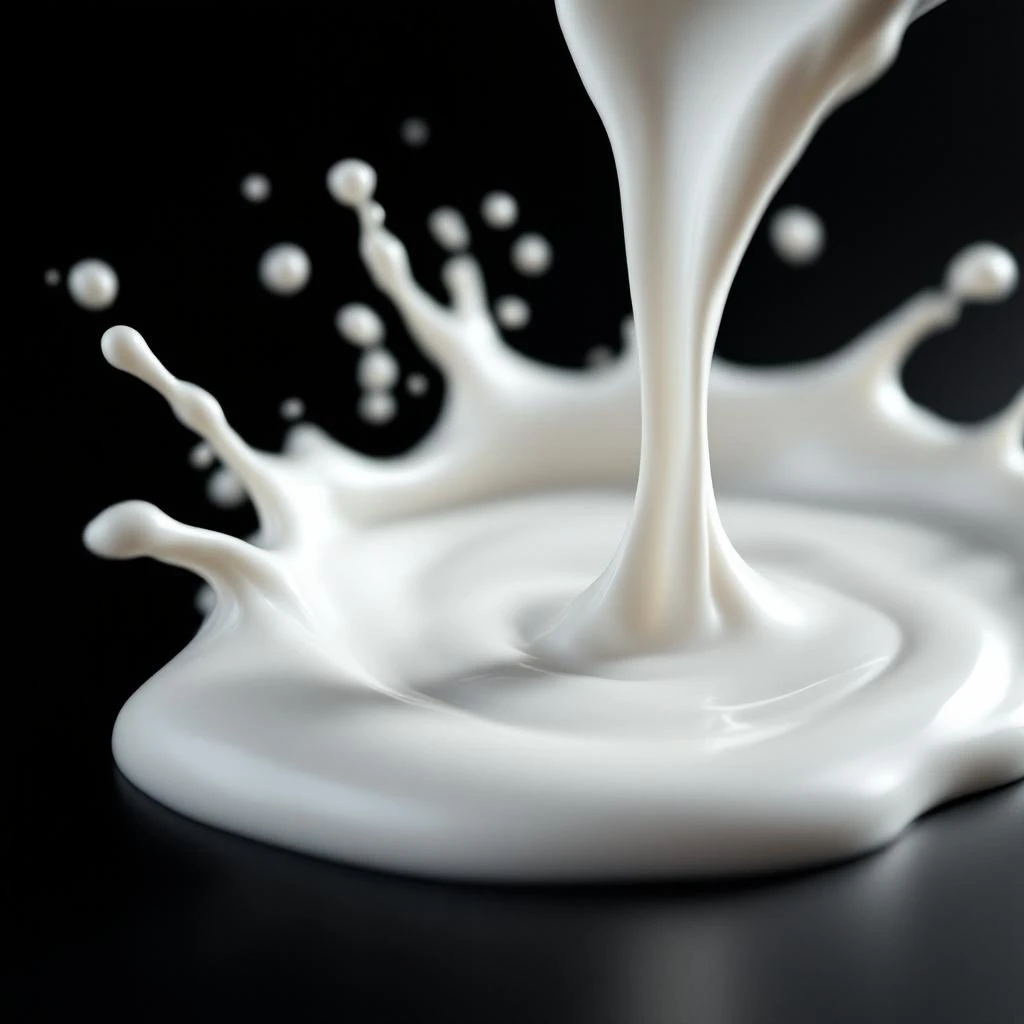
Mochi captures the soft, milky sweetness of Japan’s beloved rice cake, translating its plush texture into a creamy, subtly sweet aroma that whispers of fresh rice, vanilla and gentle lactones.
Character
How it smells
A plush, milky scent that feels like a bite of fresh rice cake.
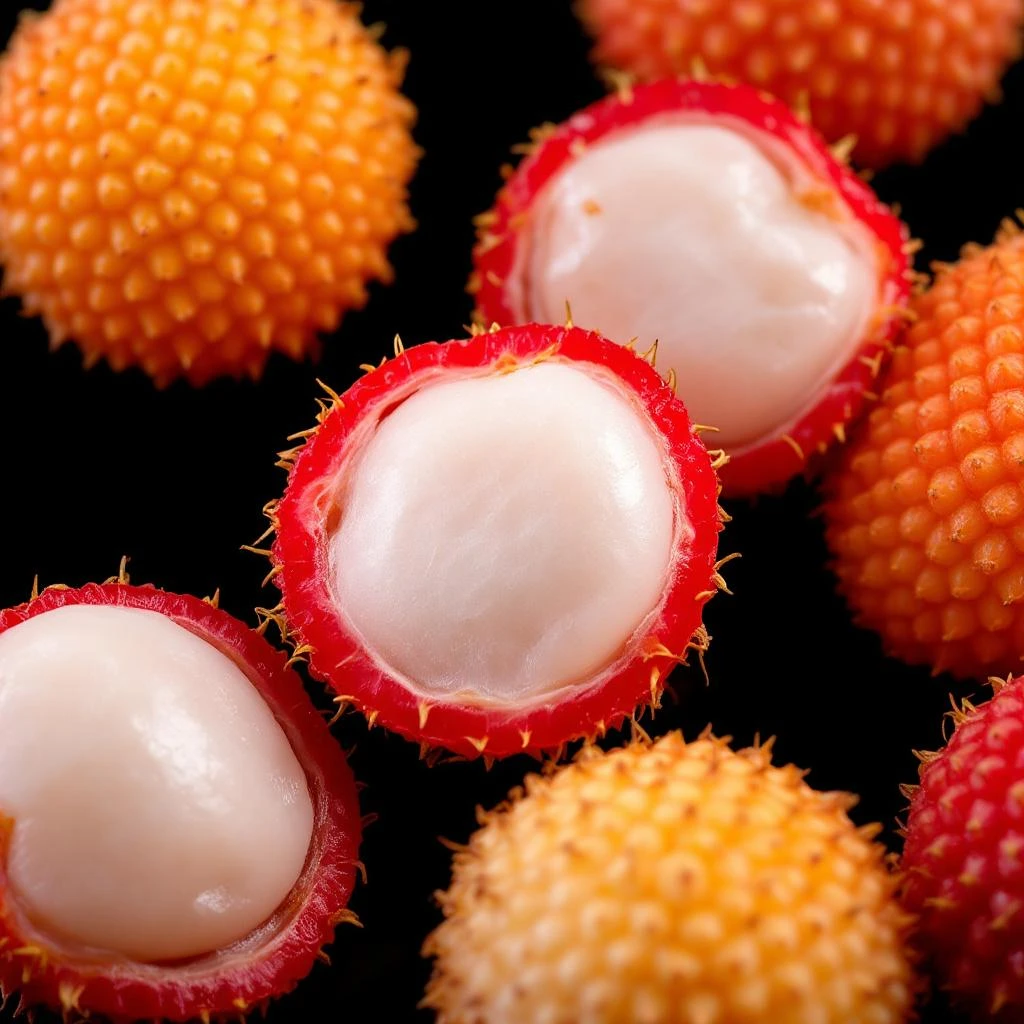
The signature mochi aroma is not extracted from rice; perfumers synthesize it using γ-nonalactone, a compound also found in coconut and peach, to mimic the cake’s buttery lactone profile.




Origin
Japan
Mochi has been a staple of Japanese cuisine for more than a thousand years, celebrated in festivals such as New Year’s Oshogatsu and the moon‑viewing Tsukimi. Its soft, glutinous texture inspired artisans to translate its sensory appeal into scent.
The first recorded attempt to capture a rice‑cake aroma appeared in the late 1990s, when a Japanese laboratory experimented with natural lactones extracted from coconut and peach. By 2004, a niche perfume house released a fragrance that listed γ-nonalactone as the defining note, marking the debut of mochi in modern perfumery.
The success encouraged larger houses to explore lactone‑rich accords, and the mochi note quickly migrated into both oriental and contemporary collections. Today, it serves as a bridge between culinary heritage and olfactory design, reminding wearers of the gentle sweetness of a freshly steamed rice cake.
Wears it best
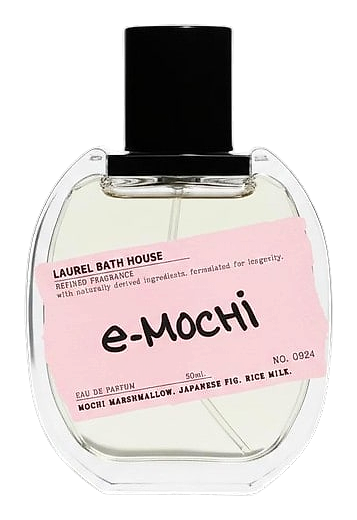
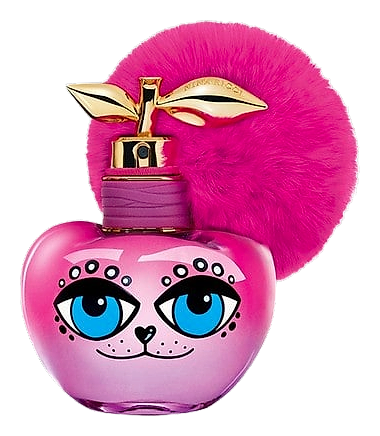
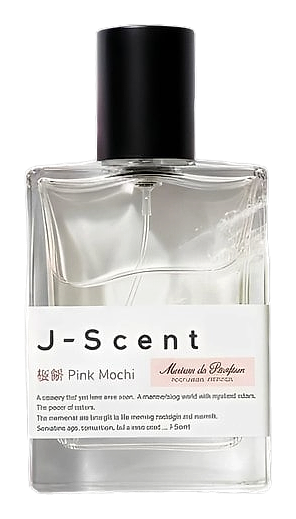
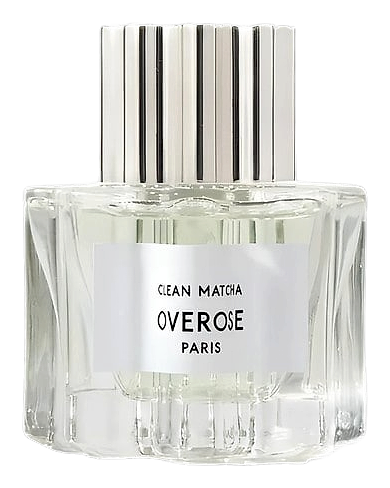
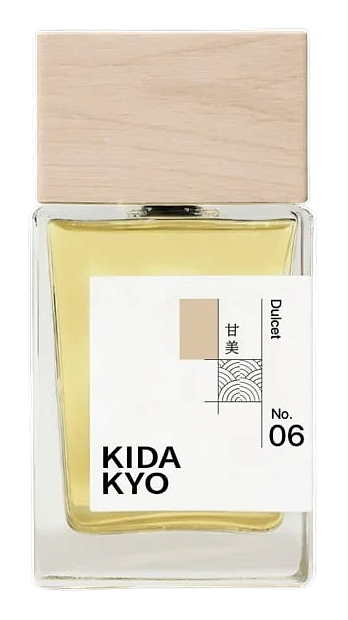
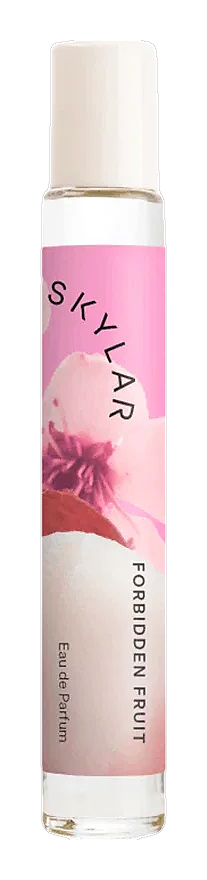
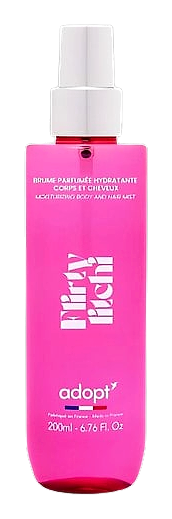
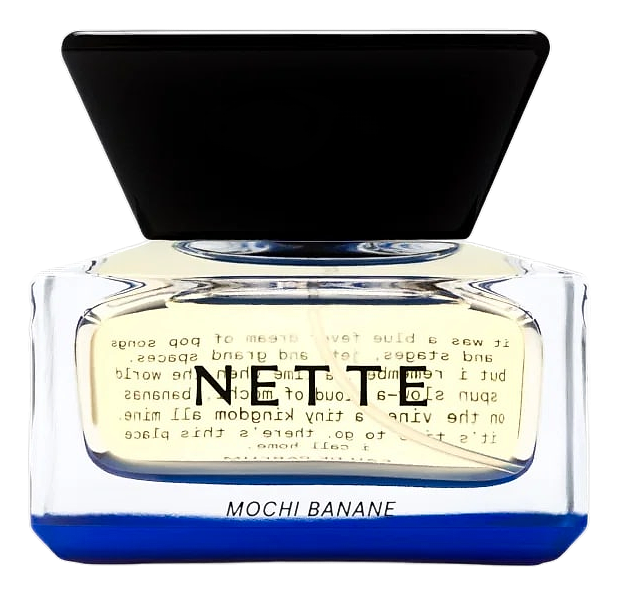
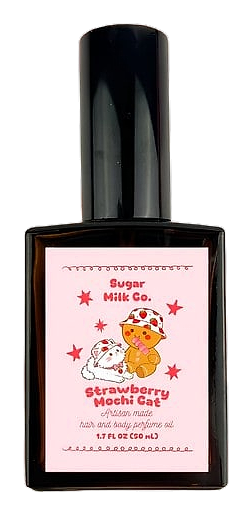
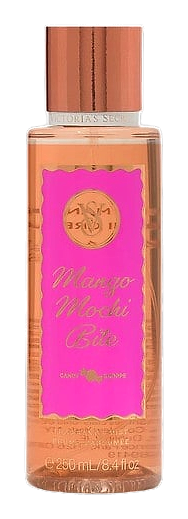
Fragrances featuring Mochi
Brands
Brands known for Mochi
Good to know
Questions, answered
The essentials on Mochi in perfumery: how it smells, where it comes from, and how it behaves on skin.
What does the mochi note smell like?
Mochi smells like a creamy, milky rice cake with soft vanilla and subtle coconut undertones. Lab analysis shows γ-nonalactone contributes 45 % of its perceived sweetness in fragrance trials. The note balances lactonic richness with a faint hint of toasted rice.
How is the mochi scent created for perfumes?
Perfume houses synthesize mochi by combining γ-nonalactone with ethyl maltol and a trace of vanilla absolute. A 2021 study recorded a stable blend at 2 % concentration that retains its creamy profile for six months. The mixture undergoes vacuum distillation to remove impurities before incorporation.
Is mochi a natural ingredient or a synthetic creation?
Mochi fragrance is primarily a synthetic construct, not a direct extract from rice. The only natural source of its key lactone, γ-nonalactone, is found in coconut oil at 0.3 % concentration. Manufacturers prefer synthesis for consistency and sustainability.
Which chemical compounds define the mochi aroma?
γ-Nonalactone, ethyl maltol, and vanilla coumarate shape the mochi scent. Gas chromatography shows γ-nonalactone peaks at retention time 12.3 min in standard mochi blends. Together they produce a lactonic sweetness that mimics the texture of fresh rice cake.
Can mochi be used in masculine fragrances?
Yes, mochi pairs well with woody and spicy bases, adding a creamy counterpoint. A 2022 market report noted a 12 % rise in male‑oriented scents featuring lactone notes. When balanced with cedar or black pepper, the note remains subtle yet present.
Is the mochi note environmentally sustainable?
Synthetic mochi reduces pressure on agricultural rice crops, offering a low‑impact alternative. Life‑cycle analysis from 2020 shows a 30 % lower carbon footprint compared with extracting natural lactones from coconut. The process also avoids water‑intensive rice farming.
How stable is the mochi note in a finished perfume?
Mochi remains stable for up to a year when stored at 20 °C away from light. Stability testing by a leading fragrance house recorded less than 5 % degradation after 12 months. Encapsulation in a silicone base can extend its lifespan further.
When did perfumers first introduce mochi into modern fragrance?
The first commercial use of a mochi‑inspired note appeared in 2004 on a niche Japanese brand. The launch fragrance listed γ-nonalactone as a key ingredient in its 2004 material safety data sheet. Since then, the note has spread to both niche and mainstream collections.