The Story
Why it exists.
The beginning
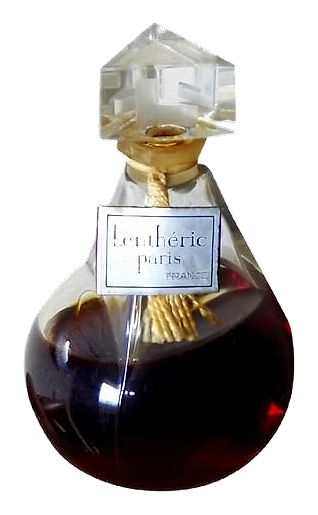
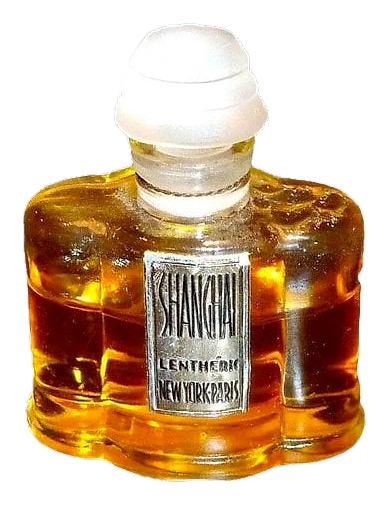
Shanghai arrived in 1916, in the middle of the first world war. Lentheric named the perfume after a city it never tried to imitate. There is no osmanthus in the bottle, no camphor, no green tea. What you get instead is a European imagination of the Orient: dense with spice, powdered with florals, and structured around the kind of heavy, resinous warmth that defines the genre. The accord is built to be noticed. It was a cologne in name and a statement in practice, meant for evenings where the lights were low and the sleeves were long. The composition pulls no punches. From the aldehyde-spiked opening through the rose-and-incense middle and down into the resin-soaked base, Shanghai commits fully to its own loud, warm register. Nothing about it asks permission.
What separates Shanghai from many of its peers is its aldehyde opening. Those bright, slightly metallic first minutes lift the spices out of dense territory and into something that catches daylight. The aldehydes give the top notes a quality that feels almost effervescent, a charged brightness that sits over the cinnamon and clove like static electricity. The Bulgarian rose and frankincense in the heart are pitched against carnation and geranium, a structural tension that keeps the perfume from collapsing into sweetness.
The evolution
First 30 minutes: aldehydes burst open with bright bergamot and a cold metallic edge. Citrus sharpens into verbena as the composition settles, with cinnamon and clove pressing in close behind. By 30 minutes the aldehydes soften, lavender and hyacinth take over the middle, and the spices begin to warm the skin. Through the next hour, the floral heart deepens into a soapy, powdery hush while cinnamon and clove keep a low, peppery heat pulsing underneath. In the drydown, the spicy facets of cinnamon and clove linger longest, leaving a warm, slightly sweet trail that clings to fabric and skin. The sillage stays close after the first hour, turning Shanghai into something more intimate as the hours pass. By the time the base notes take over, the perfume has settled into a second skin of resin and musk that lasts well into the next morning.
Cultural impact
Shanghai arrived in 1916, and it sold because it was loud, warm, and unlike anything subtle on the market. A century later, vintage bottles show up on collector shelves next to other pre-war orientals that defined an entire family of fragrances. Shanghai belongs to a small, recognizable group of compositions that shaped how spice, incense, and resin got blended into a single statement bottle. The perfume's DNA runs through decades of orientals that came after it. Any collector who has held a sealed vintage bottle knows the particular gravity of a fragrance from this era. Shanghai is one of the reference points.