The Story
Why it exists.
The beginning
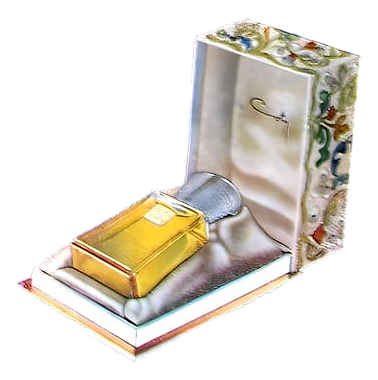
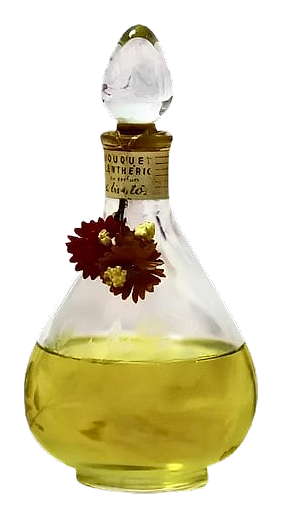
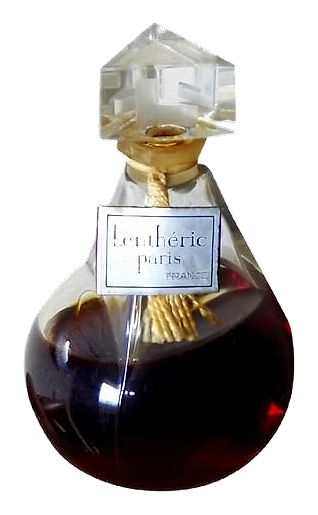
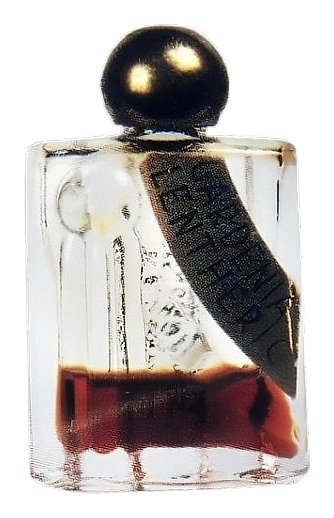
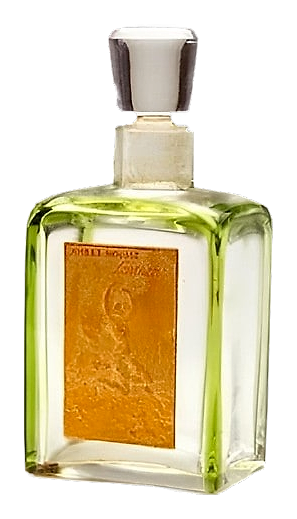
Ambre Mousse arrived in 1912, when Lentheric introduced it as part of their bottled line. The name tells you almost everything. Mousse is moss. Ambre is amber. Together they signal a fragrance that knows it wants to smell like a forest floor after rain. Not a pretty forest, either. The dark one. The one where the bark stays wet for hours and the air sits heavy. There's something almost architectural about how the scent announces itself. The oakmoss comes through damp and vegetal, carrying that unmistakable green weight, the kind that suggests something has been growing undisturbed for a very long time. Beneath it, a faint bitterness curls upward, giving the opening an earthy seriousness.
What makes this composition structurally interesting is its commitment to a single idea executed with restraint. Three named elements, oakmoss, amber, chypre, doing all the talking. The chypre framework gives it a classical architecture, built on the bitter-green-earth tension that defined early 20th-century French perfumery. The amber brings the warmth, the oakmoss brings the depth, and nothing else competes for attention. That restraint is precisely where the fragrance earns its staying power.
The evolution
The opening belongs almost entirely to oakmoss. Damp, vegetal, slightly resinous, the kind of green that smells like it grew on something ancient. There's a coolness in the opening that reads sharp and clean, a brisk quality before the warmth arrives. The moss announces itself without apology, taking up the full space of the composition and holding it. As the first half-hour passes, the amber surfaces. It doesn't crash in. It rises, like warmth through floorboards. The oakmoss stays, but now it's wrapped in something sweeter and more resinous, the chypre base softening into something that feels lived-in. The transition is gradual, almost geological, one stratum settling over another rather than replacing it. The drydown settles into something close and warm, amber-led, still mossy at the edges, holding its shape without broadcasting.
Cultural impact
Ambre Mousse sits in a category of early 20th-century chypre compositions that rarely get discussed in modern fragrance coverage. These were the foundational smells of an era when classical French perfumery was establishing the vocabulary that would define the category for decades. Ambre Mousse is one of the more focused examples still bearing the Lentheric name. The fragrance belongs to a particular moment in perfumery, one that valued material restraint and structural clarity.