The Story
Why it exists.
The beginning
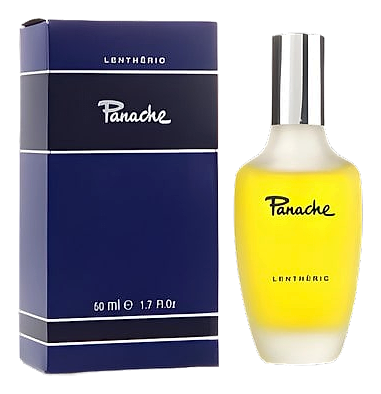
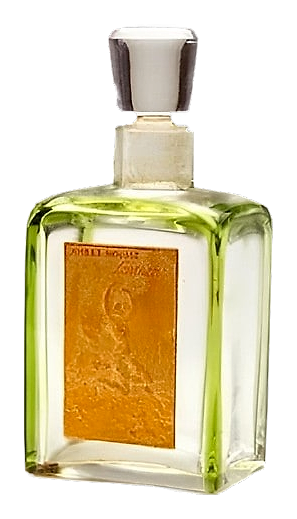
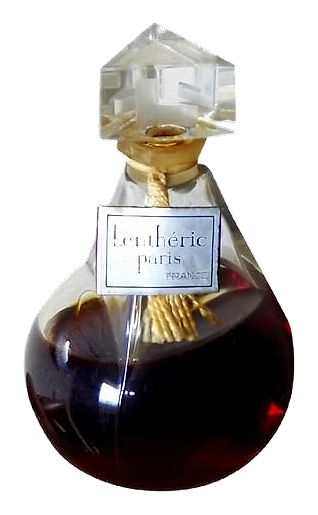
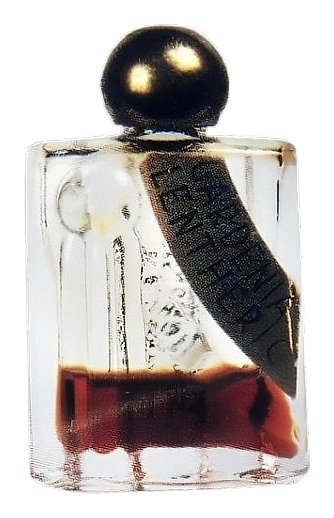
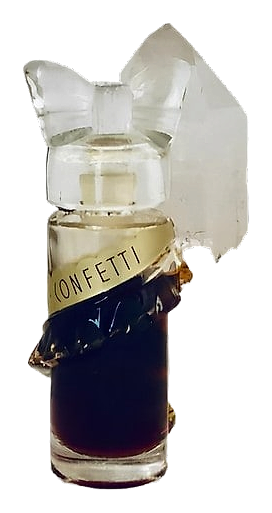
Confetti arrived in 1939 from the Lentheric house. The composition leans on contrasts the perfumer clearly relished: airy top notes lifted over dense, smoky resin, citrus that cuts through amber rather than competing with it. The bergamot and citrus spark like the confetti the name promises, bright and fleeting, a fizz of green brightness that catches the light. But underneath that brightness sits something older, more sober. The chypre architecture grounds the composition in labdanum and oakmoss, both pulling the scent down into a mossy, resinous depth that the festive opening deliberately distracts from. Tolu balsam runs warm through the base, adding a leather-edged sweetness that bridges the airy citrus above with the heavy chypre foundation.
The interesting thing about Confetti is how much chypre discipline hides under the festive name. Labdanum and oakmoss anchor the structure, giving it that mossy, slightly animalic lift that makes the genre feel grounded and serious. The addition of lavender, patchouli, and a genuinely smoky tolu balsam base reshapes the drydown into something more resinous, more shadowed than the opening promises. Civet in the base adds a soft, furred warmth, the kind of intimate, skin-close scent that lingers on a collar or a wrist hours after the bright citrus has faded.
The evolution
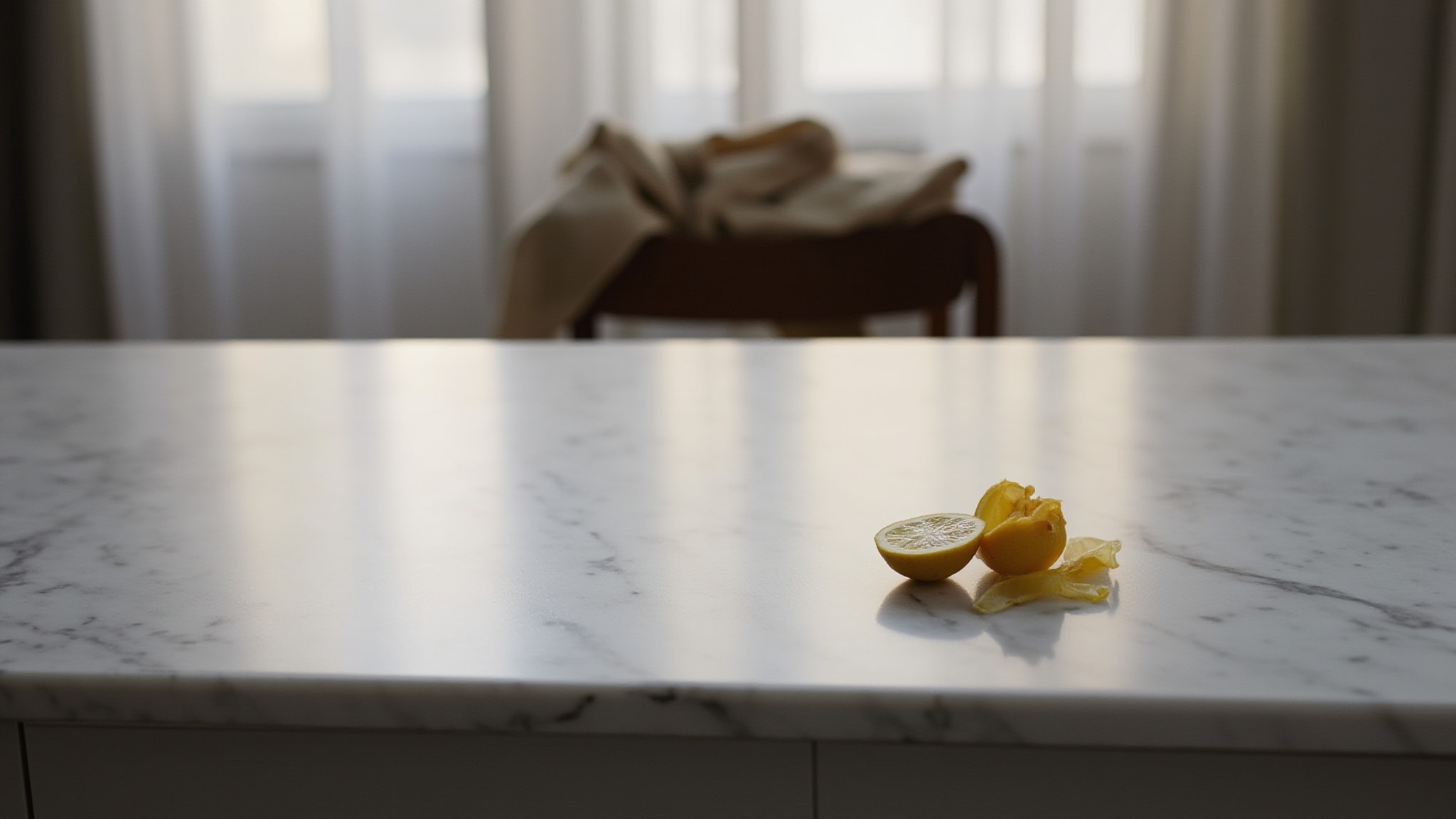
The first fifteen minutes belong entirely to bergamot and a generous pour of bright citrus, the kind of opening that smells like someone has just sliced a lemon over a bowl of oranges on a marble counter. It lifts, it sparkles, it feels almost celebratory. Then the chypre architecture kicks in. Lavender arrives with a clean, herbal coolness, almost medicinal, threading through the citrus before patchouli grounds it with its earthy, slightly bitter weight. Labdanum starts to surface around the thirty-minute mark, giving the whole composition a leathery, amber warmth that shifts the register from bright to serious. By the second hour, the powder has settled in. Tonka bean, benzoin, and tolu balsam build a resinous sweetness that reads more like incense than confection. The civet adds a soft animalic hum underneath, the kind of warmth that smells like skin rather than perfume. Sandalwood and vetiver ground the base with a dry, creamy woodiness, and oakmoss keeps everything tethered to the chypre tradition.
Cultural impact
Confetti belongs to the chypre tradition that dominated a great deal of mid-century French perfumery. It uses oakmoss and labdanum as a structural base but is not afraid to sweeten the drydown with tolu balsam and tonka, blending the mossy seriousness of the genre with a warmer, more balsamic finish. The name, suggesting celebration, makes it an outlier in a category more often associated with gravity and shadow. That tension, festive name over solemn structure, is part of what gives the scent its distinctive character.