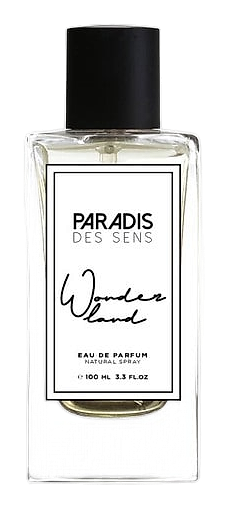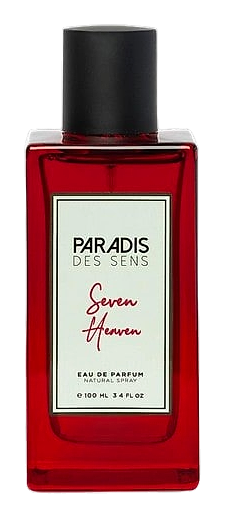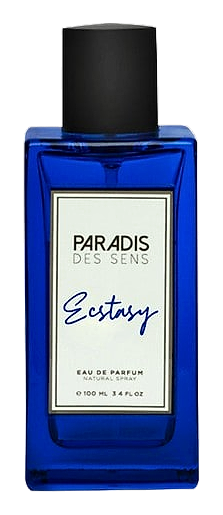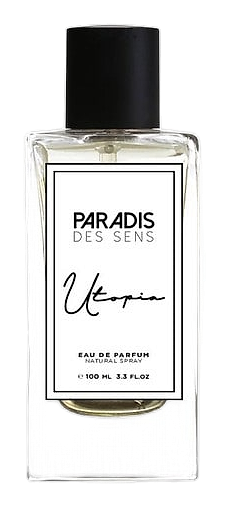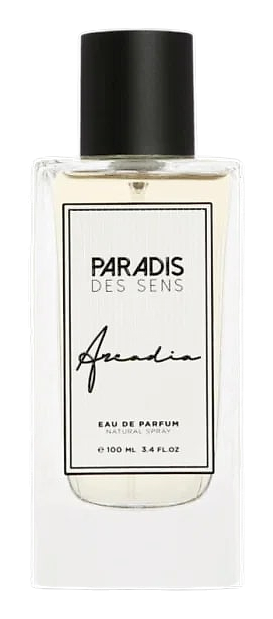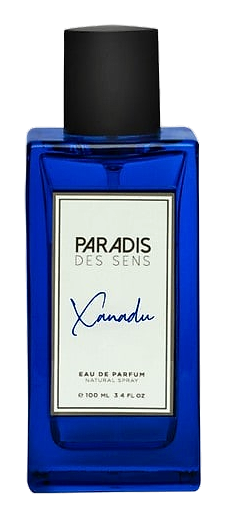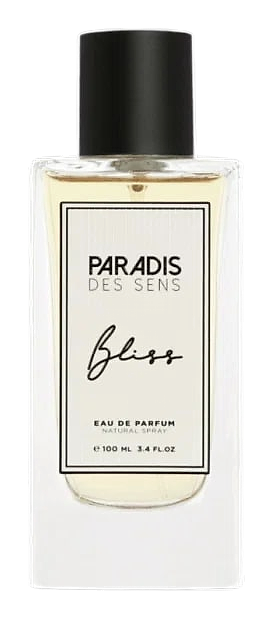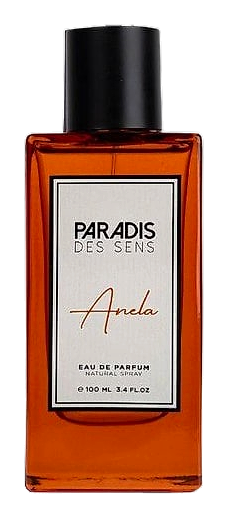

The Story
Why it exists.
The beginning
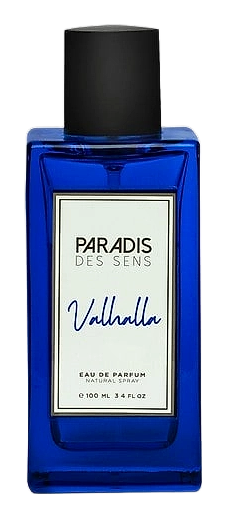
Pierre-Constantin Guéros named Valhalla after the warrior's hall of Norse mythology. The Blue Collection frames color as emotional language, blue as the palette of sky and sea. Valhalla translates that into scent. The opening bursts with tropical weight, the heart finds warmth, and the base becomes something you'd wear to the edge of feeling alright. Not performance. Not statement. Just the scent of arriving somewhere quiet, a space where the noise falls away and what remains is the simple, clean presence of something well-made.
What makes the structure interesting is how deliberately it resists the expected. Fruity openings in this register tend toward brightness, sharp, citrus-led, immediate. Valhalla leads with mango and pear instead, which carry a softness that citrus can't. The base layers Ambrostar with vanilla and tonka, creating a warmth that doesn't project aggressively. This is a fragrance built for skin proximity, not room-filling projection. The cashmere wood and Egyptian jasmine in the heart give it just enough complexity to reward attention without demanding it. It's composition as restraint, knowing exactly when to stop pushing.
The evolution
The opening announces itself with immediate tropical weight, mango dominates, pear adds a gentle sweetness, and the citrus (bergamot, mandarin) cuts through just enough to keep it from feeling heavy. Cashmere wood and jasmine take over, softening the edges while cedar adds a quiet woody structure beneath. The base begins its slow reveal, tonka and vanilla cream up the warmth, amber and sandalwood ground it, and Ambrostar leaves a faint mineral salt that keeps the sweetness honest. The drydown holds close to skin for hours. On fabric, it lingers as a ghost of vanilla and warm wood.
Cultural impact
Valhalla has found its audience among wearers who want the Blue Collection's emotional premise without the performance anxiety that often comes with niche fragrances. It performs quietly, warmth that reads as intimate rather than aggressive. The people who wear it tend to be the ones who understand that atmosphere matters, that presence can be felt without being announced.
The House
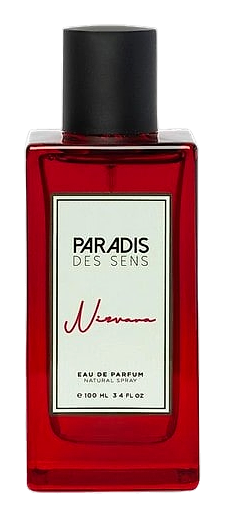
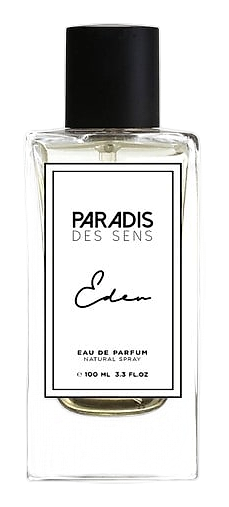
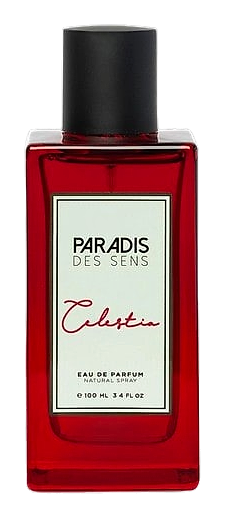
Paradis des SensParadis des Sens is a French niche fragrance house that emerged in 2020 under the Arcadie De Niche group. The house positions itself around the premise that scent offers a direct route to altering one's emotional state, framing fragrance as a tool for mood modification rather than simply a cosmetic accessory. The brand has developed a portfolio spanning multiple mood-driven collections, with releases including Eden and Felicity in 2020, followed by Celestia in 2021, Nirvana in 2022, Seven Heaven in 2023, Ecstasy and Xanadu in 2024, and Divina in 2025. Paradis des Sens operates primarily through online channels and select retail partners, with presence documented on platforms including Instagram. The house describes its scents as wearable sensory states designed to let the wearer choose how they want to feel.
The Creator
Pierre-Constantin GuérosGuéros’s style blends classic French structure with an adventurous use of modern synthetics. He often starts with a clear base—cedar, sandalwood or leather—then introduces unexpected accents such as metallic ionics, lab‑grown ambergris or rare resins from Madagascar.