Ambrostar
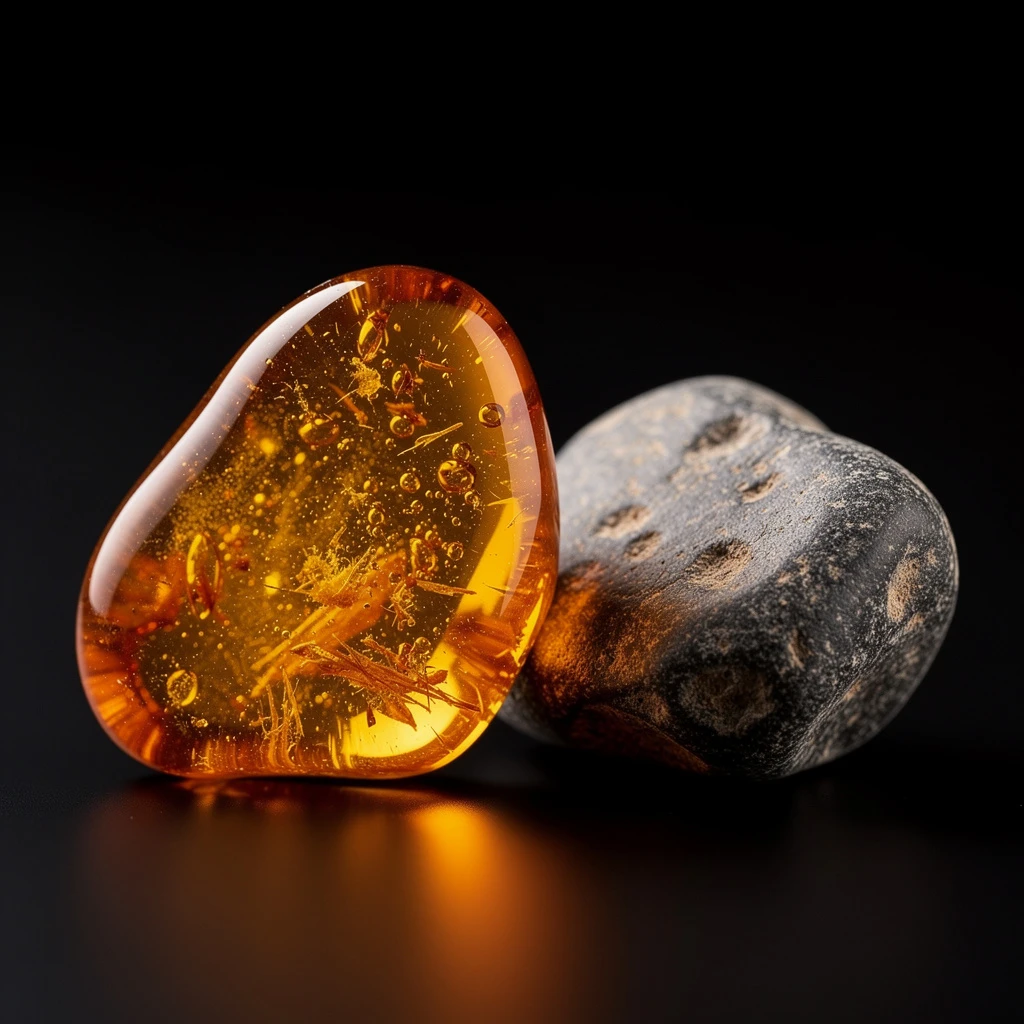
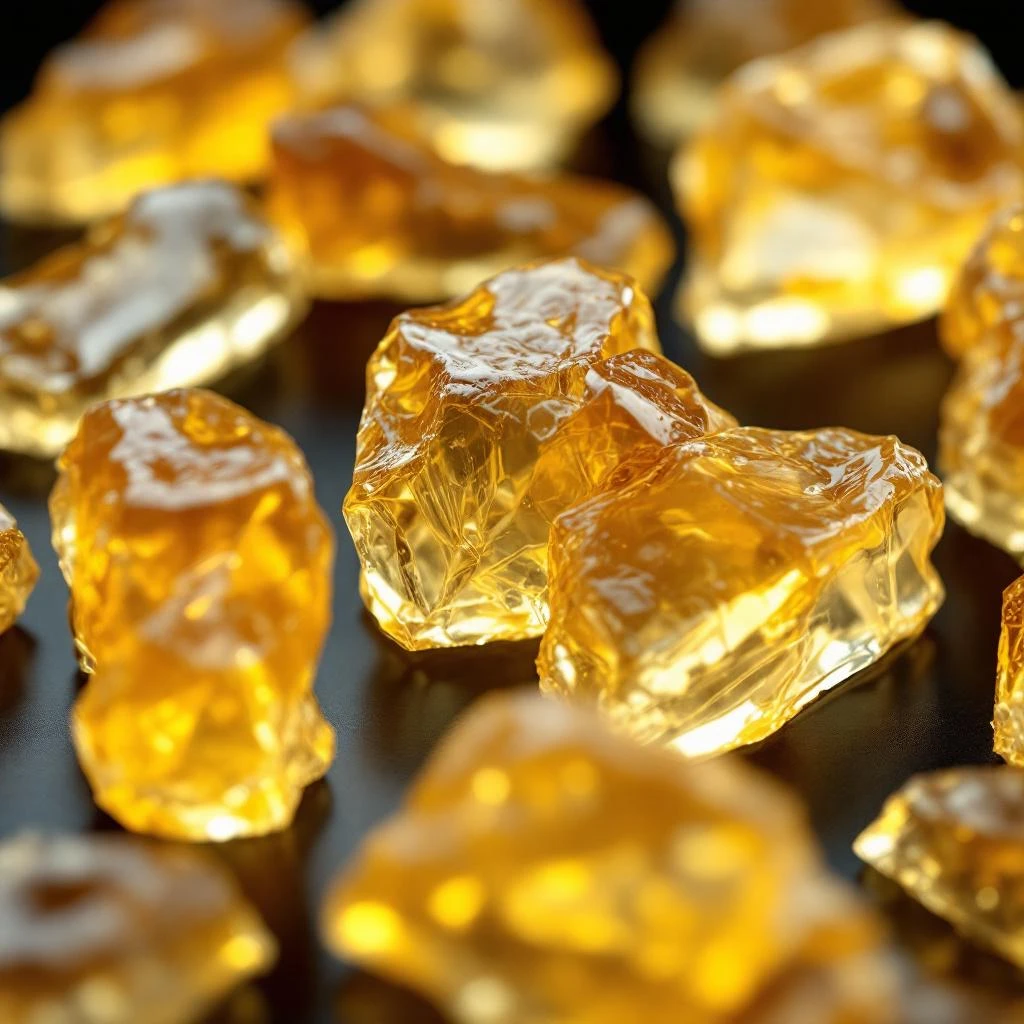
Ambrostar is a semi-synthetic amber-woody molecule developed by Symrise that delivers exceptional longevity and warmth. Structurally related to the legendary Ambrocenide, it brings powerful yet refined woody-amber character to modern fragrance compositions, setting a new standard for sustainable amber materials.
Character
How it smells
Next-generation amber-woody molecule with exceptional longevity.
Just trace amounts of Ambrostar can transform a fragrance's sillage and wear time dramatically.









Origin
Germany
The story of Ambrostar traces back to perfumery's long fascination with ambergris, the rare ocean-born secretion that commands astronomical prices. Since sperm whale conservation made natural ambergris increasingly unavailable, chemists sought alternatives.
Ambrocenide emerged in 1997 as the first breakthrough semi-synthetic amber material. Ambrostar arrived more recently as Symrise refined the molecular template further, creating a next-generation successor.
This represents a broader shift in modern perfumery toward engineered ingredients that replicate precious naturals without environmental or ethical compromise. Today's perfumers can access amber character at scale, opening new creative possibilities while honoring conservation principles that protect marine ecosystems.
Wears it best
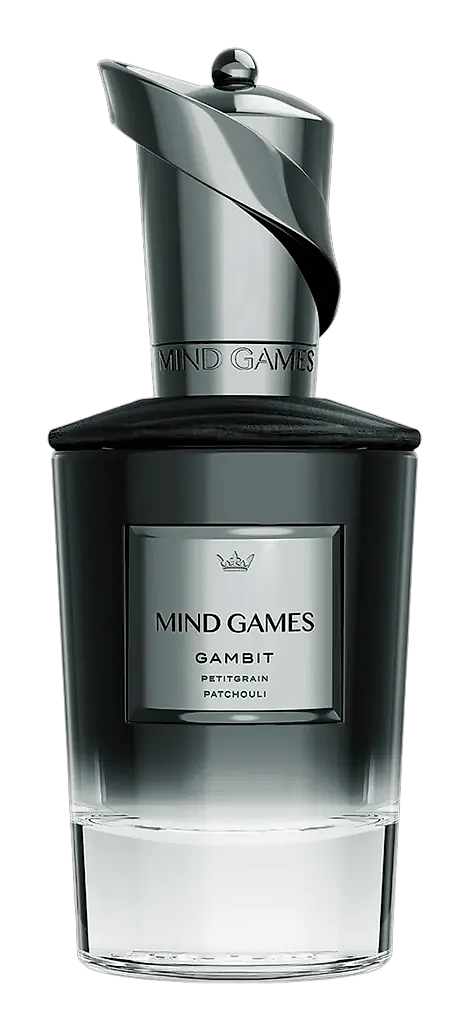
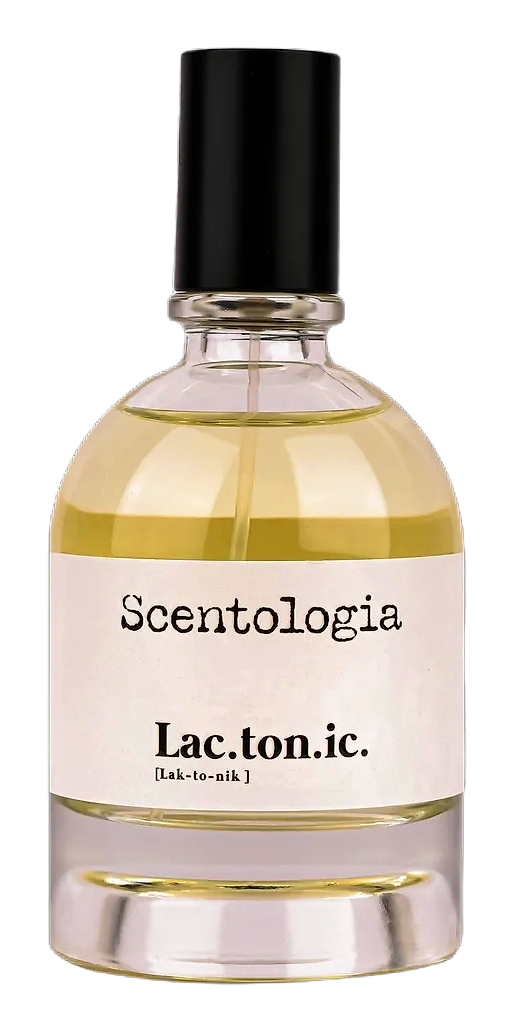
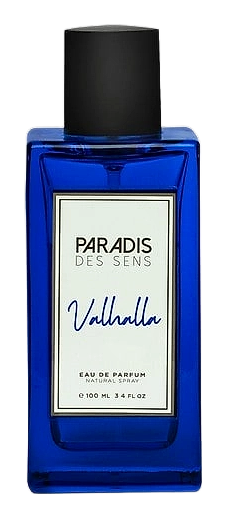
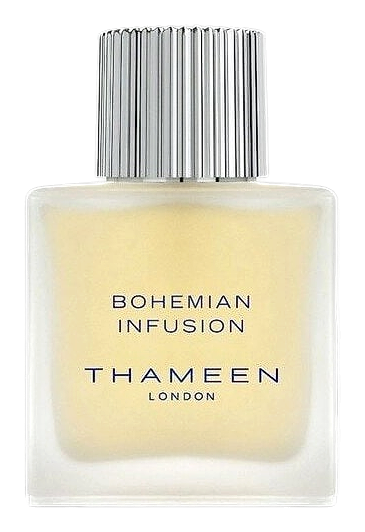
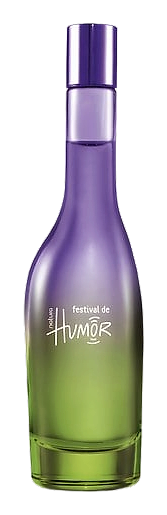
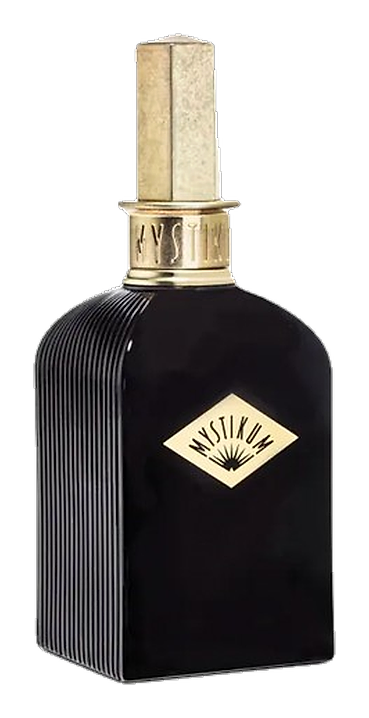
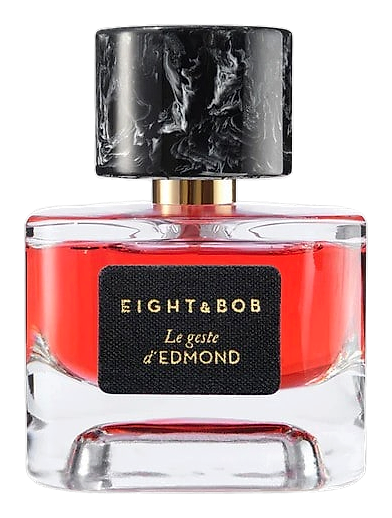
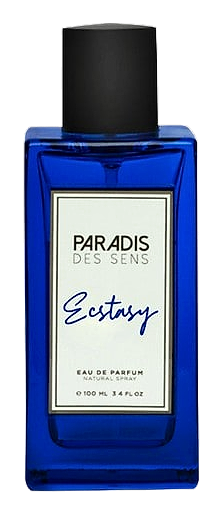
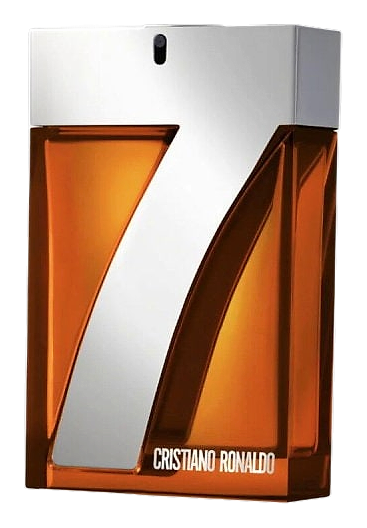
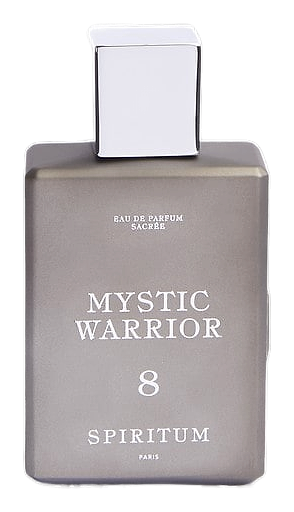
Fragrances featuring Ambrostar


Brands
Brands known for Ambrostar
Good to know
Questions, answered
The essentials on Ambrostar in perfumery: how it smells, where it comes from, and how it behaves on skin.
What is Ambrostar made from?
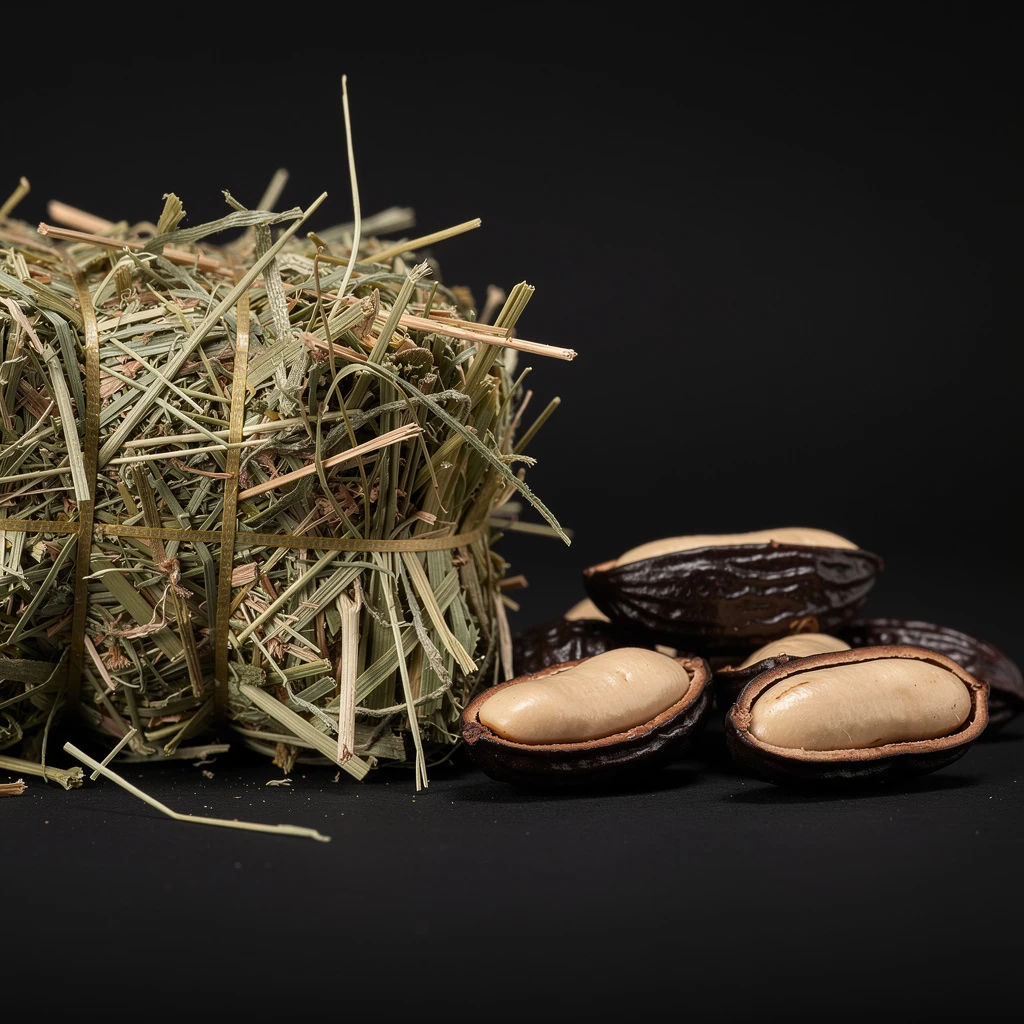
Ambrostar is a semi-synthetic molecule derived from α-cedrene, which perfumers extract from cedarwood essential oil. Symrise then modifies this constituent through controlled chemical processes to create a high-performance amber-woody ingredient.
How long does Ambrostar last on the skin?
Ambrostar ranks among the most tenacious fragrance ingredients available. Its molecular structure resists skin chemistry breakdown, allowing fragrances to remain detectable for 12+ hours compared to typical fragrance materials that fade within 4-6 hours.
Is Ambrostar natural or synthetic?
Ambrostar occupies the middle ground as a semi-synthetic material. It begins with a natural component from cedarwood but undergoes chemical transformation to produce the final molecule. This approach delivers consistent quality unavailable from purely natural sources.
What fragrances use Ambrostar?
Ambrostar appears primarily in premium fine fragrances seeking long-lasting woody-amber signatures. Many contemporary amber-woody and oriental fragrances with exceptional sillage list it among their ingredients.
Why do perfumers choose Ambrostar over natural ambergris?
Ethical sourcing drives much of the adoption. Natural ambergris commands prohibitive prices and faces regulatory restrictions in many regions. Ambrostar delivers comparable olfactory impact at stable, accessible pricing.
How does Ambrostar compare to Ambrocenide?
The two share a structural family tree, with Ambrostar representing Symrise's refined evolution. Ambrostar offers enhanced woody facets and superior substantivity, making it particularly suited for high-impact base notes in modern compositions.
Can home fragrance products use Ambrostar?
Yes, Ambrostar works effectively in candles, diffusers, and room sprays where its warmth and longevity add sophistication. The ingredient performs reliably across various carrier systems and temperature conditions.
Is Ambrostar safe for skin application?
Ambrostar meets International Fragrance Association safety standards for cosmetic and skin contact applications when used within recommended concentrations. Regulatory approval exists across major markets including the EU and US.
In the same family