





Heritage
A house, in its own words
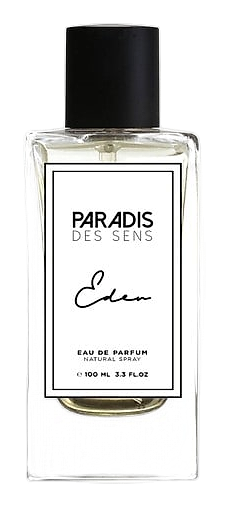
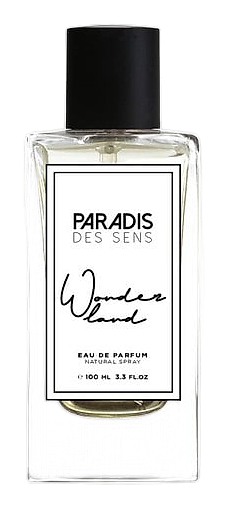
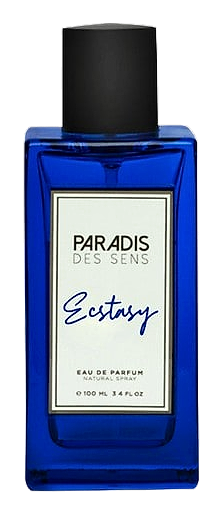
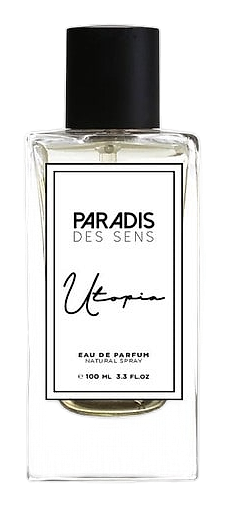
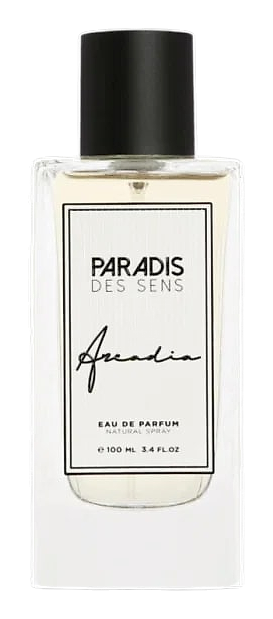
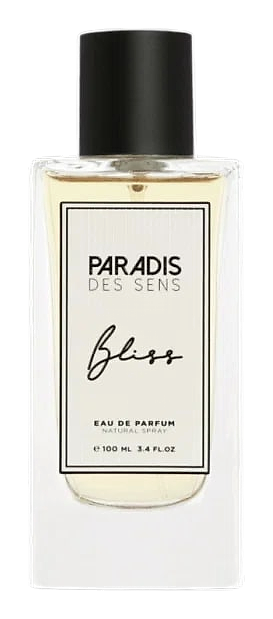
Paradis des Sens entered the fragrance market in 2020, launched by the Arcadie De Niche group during a period when the niche perfume sector was experiencing significant growth globally. The founding proposition centered on fragrance as an accessible means of emotional transformation, a positioning that distinguished the house from established heritage houses that typically emphasize ingredients, heritage, or perfumer credentials. The timing of the launch aligned with broader consumer interest in wellness and self-care categories, where scent was increasingly framed as a tool for mood regulation rather than purely aesthetic expression. In the years following its founding, the house expanded its catalog substantially, releasing multiple fragrances annually across what appear to be themed collections. The brand gained visibility through social media presence and fragrance community platforms, with reviewers on YouTube and fragrance forums discussing individual releases. Paradis des Sens positioned itself within the modern niche segment, targeting consumers seeking distinctive scents outside mainstream designer offerings. The house operates as part of a corporate parent structure, the Arcadie De Niche group, which appears to manage multiple fragrance-related ventures. Retail presence includes stockists such as La Jetee Perfumery, which has described the brand's scents as crafted with attention to materials and production methods. The founding philosophy of Paradis des Sens rests on the belief that fragrance functions as the most immediate method for altering one's emotional experience. Rather than pursuing traditional perfumery narratives centered on craftsmanship heritage or rare ingredient sourcing, the house frames scent as a functional tool for mood selection. This approach positions the wearer as an active participant in their sensory environment, choosing scents to match desired emotional states rather than simply selecting a signature fragrance. The brand's tagline and marketing language emphasize the experiential dimension of wearing perfume, describing scents as wearable sensory states. This philosophy diverges from conventional niche perfumery discourse, which typically emphasizes exclusivity, complexity, or artistic expression. Paradis des Sens instead prioritizes accessibility and emotional resonance, suggesting that the purpose of fragrance is to enhance or modify how daily life feels. The house explicitly states it does not aim to cater to trends, instead offering what it describes as an authentic alternative to mainstream fragrance conventions. This anti-trend positioning reflects a common strategy among newer niche houses seeking to differentiate themselves in a crowded market.