
The Story
Why it exists.
The beginning
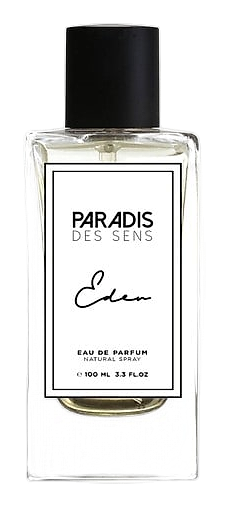
Eden is named for the garden as idea rather than the garden as literal reference. It asks what it would smell like if serenity had a scent: not potpourri, not florals drowning in sweetness, but the actual feeling of green things growing in bright light. The composition begins with a lime-grapefruit opening that arrives sharp and immediate, zest bright enough to catch attention without overwhelming. Ivy threads green beneath the citrus peel, adding an almost vegetable depth that keeps the top notes from disappearing once they evaporate. This botanical threading is what gives Eden its structural integrity, the sense that the fragrance was built to last rather than to make a quick impression and fade.
What makes Eden's structure interesting is the way it refuses to choose between brightness and depth. The lime-grapefruit opening threads through ivy, an herb that adds an almost vegetable green beneath the citrus peel, so the top notes don't simply vanish when they evaporate. They hand off to apple and vetiver in the heart, which carry the composition into its second and third hours with something earthier, fruitier, closer to skin.
The evolution
The opening arrives fast: lime and grapefruit zest, sharp and immediate, with ivy threading green beneath the citrus peel. The brightness makes you lean in, drawn by the clean intensity of the top notes. Then the handoff begins. Apple surfaces in the heart alongside vetiver, and the composition shifts from sharp to something rounder, fruitier, more intimate. Pink pepper adds a barely-there spice that keeps the heart from going flat, adding dimension without dominating. By the second hour, the woody-musky base takes over, not loud, not projecting, but present. Close. The fragrance stays near the skin, the kind that someone notices only when they're standing beside you. Longevity holds steady through the afternoon, the sillage moderate enough to invite proximity without announcing itself across a room.
Cultural impact
Eden participates in a broader cultural conversation about scent as a tool for emotional regulation. The bright citrus-green profile moves away from heavy ambers and ouds toward something that feels clean and intentional. This direction reflects a preference for clarity and optimism in fragrance choices, a movement toward compositions that feel considered rather than overwhelming. Eden also taps into the sustainability conversation: the brand's emphasis on emotional utility over status signals a quiet rejection of luxury culture's excesses. The fragrance asks you to consider what a scent does for you, not what it says about you.