
The Story
Why it exists.
The beginning
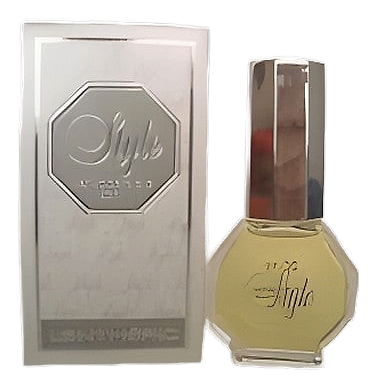
Style arrived in 1987. What emerged was a fragrance of refinement as a second skin, not a performance. The name said everything. Not a place, not a muse, not a mood, just the thing itself. Style as concept. Style as posture. A composition for the woman who chooses her battles and wins them before anyone realizes a fight started. The florals were chosen for their ability to project without amplification, the oakmoss for its quiet authority. This was elegance that didn't need to argue its case. The composition speaks in a register that most fragrances never master: confident without being demonstrative, present without being demanding. There is a certain discipline in how the notes hold themselves, each element knowing its place, none competing for attention.
The note structure here is textbook chypre, that architectural framework of citrus, florals, and moss that perfume houses have been refining since the 1920s. What makes Style's interpretation interesting is the fruity notes threading through the heart. They bring a subtle tartness, a green undertone that keeps the florals honest and the oakmoss grounded. The aldehydic opening adds a certain Champagne effervescence to the citrus. It's the fizzy start that makes the earthy drydown feel earned, not imposed.
The evolution
The opening hits bright and aldehydic, that particular fizzy quality that instantly signals sophistication and somehow makes it timeless. Citrus lifts, aldehydes sparkle, and for a stretch of time you're in a space of genuine elegance. Then the hand-off begins. The heart arrives not as a replacement but as a deepening. The florals don't bloom so much as consolidate, they gather themselves into something richer, supported by oakmoss that was waiting in the wings. Fruity notes add a green tartness that keeps everything from going heavy. By the later hours, the drydown owns the stage. This is where Style proves its longevity. The oakmoss and woody notes create a mossy-woody foundation that clings with real persistence. The sillage becomes a memory rather than a statement.
Cultural impact
Style arrived as a counterpoint to the bold fragrances of its era, making its case for restraint. Its chypre structure, mossy-green and sophisticated, spoke to those who appreciated that less could indeed be more. The fragrance carved out space for quiet confidence in a landscape where most offerings were competing to be noticed first. There is something almost defiant in its refusal to shout, a statement made through absence rather than presence. The women who gravitated toward Style understood something that the louder fragrances of the time seemed to miss: true presence does not require volume.