The Story
Why it exists.
The beginning
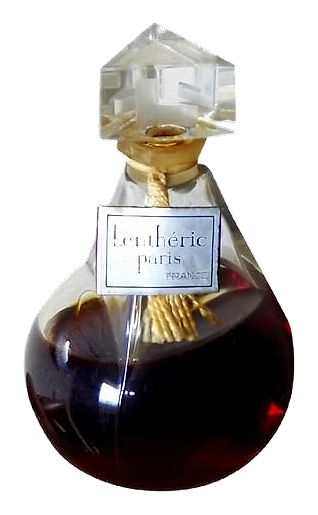
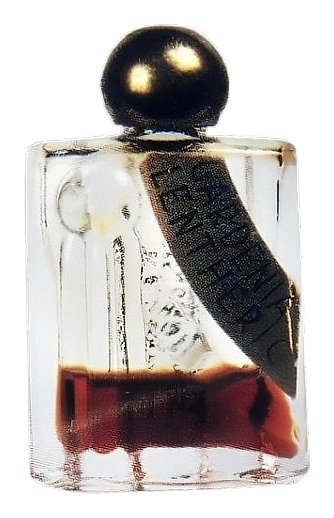
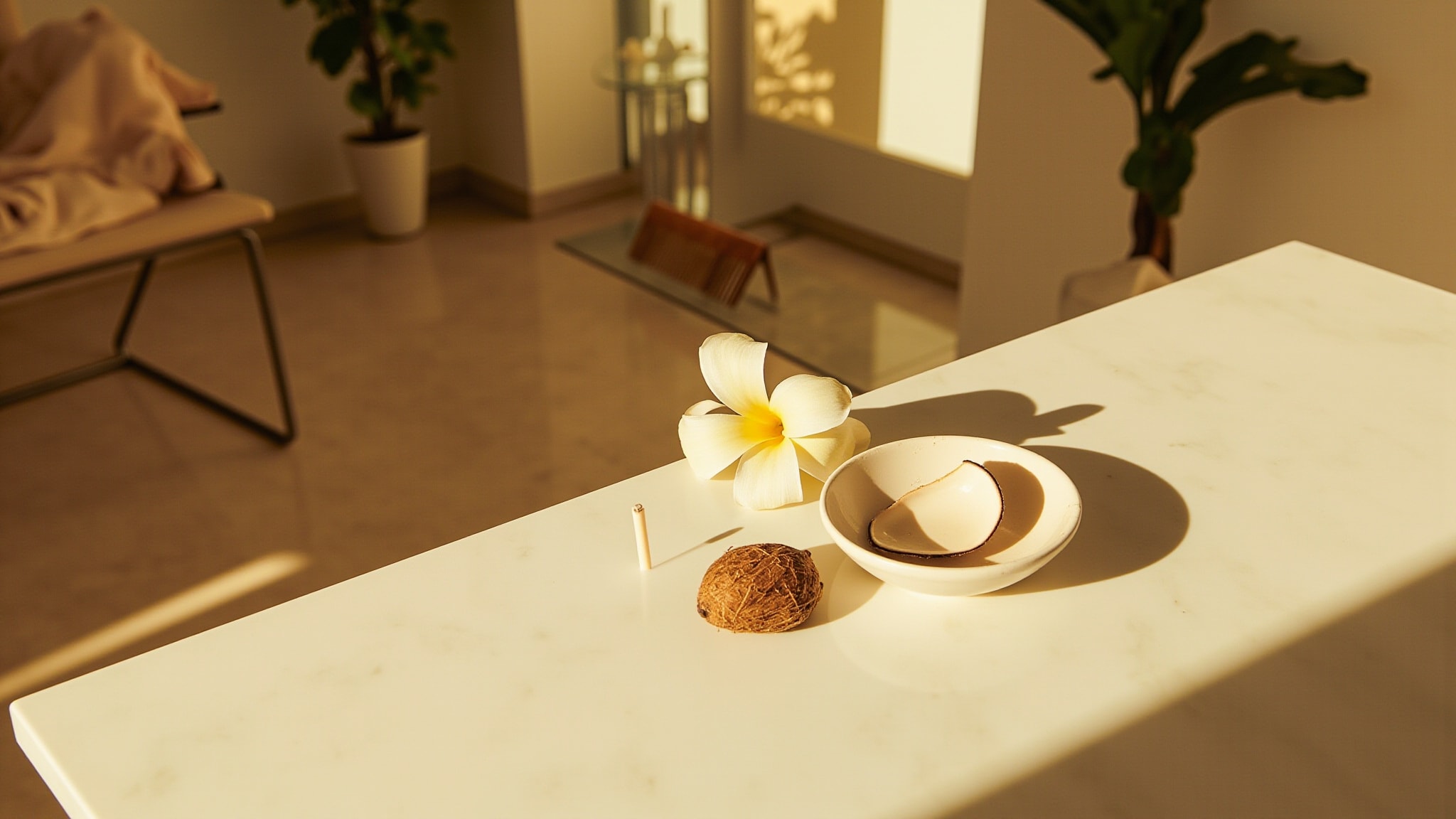
In 1935, Lentheric composed Gardenia de Tahiti, a fragrance that married the white floral tradition with something distinctly tropical. At its center sits the tiare, a flower traditionally worn behind the ear, its creamy, slightly green sweetness forming the spine of the composition. Around it, gardenia adds waxy density and ylang-ylang brings a buttery, almost overripe tropical fruit quality, until the bouquet feels heavy with petals. Aldehydes at the top sharpen that tropical warmth, lending a soapy, abstract brightness that structures what would otherwise spill into pure sweetness. Gardenia de Tahiti stands as one of Lentheric's notable floral offerings, a composition that traded delicate single florals for something richer, more layered, and unmistakably lush.
What separates this from a dozen other white florals of the era is the pairing of coconut and civet. The coconut reads tropical and edible, almost suntan-lotion-adjacent, its fatty sweetness grounding the bouquet in something almost edible. The civet, a traditional animalic fixative used heavily in perfumery of this period, adds something sweaty and alive underneath the floral sweetness. Together they create friction: the scent wants to be a soft cream, but the base keeps reminding you it came from something with a pulse.
The evolution
The first 30 minutes are the most unexpected. Aldehydes hit bright, almost metallic, and the coconut rounds them out into something that smells closer to sunscreen than perfume, but in an elegant, powdered way. Within the hour, the gardenia arrives, thick and waxy, joined by jasmine and ylang-ylang. This is the heart of the fragrance, and it dominates the next several hours. There's a sweetness here that's more about texture than sugar, a sensation of petals pressing close rather than syrup pooling. As the afternoon wears on, the civet surfaces. It warms the sandalwood, gives the amber something to push against, and keeps the florals from turning cloying. The drydown stays creamy, slightly animalic, with a faint floral ghost trailing behind. What started as bright aldehyde ends as skin-warm musk with a whisper of gardenia still clinging to fabric.
Cultural impact
Gardenia de Tahiti stands as a curious artifact, a 1930s white floral that refuses to behave like a bouquet. The coconut and civet pairing gives it a texture most florals of its era lacked, pulling it toward something more sensual than simply pretty. It rewards attention: the opening aldehydes feel almost abstract, the heart turns dense and waxy with gardenia, ylang-ylang, and jasmine, and the drydown reveals civet's warmth against sandalwood and amber. Wearers often describe it as a fragrance that demands a certain mood, something evening-leaning or contemplative rather than casual daytime spritzing.
The House
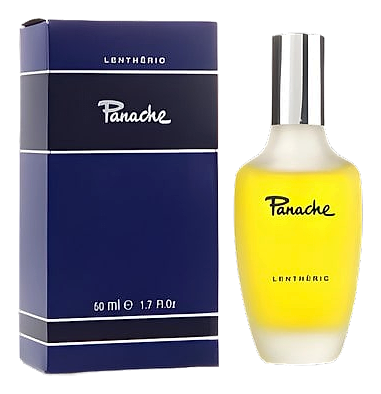
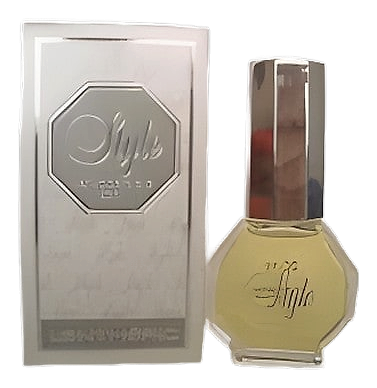
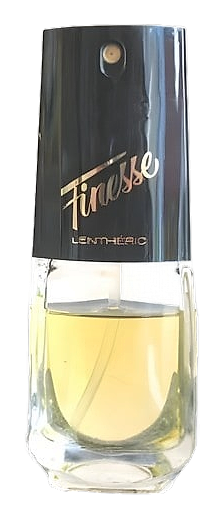
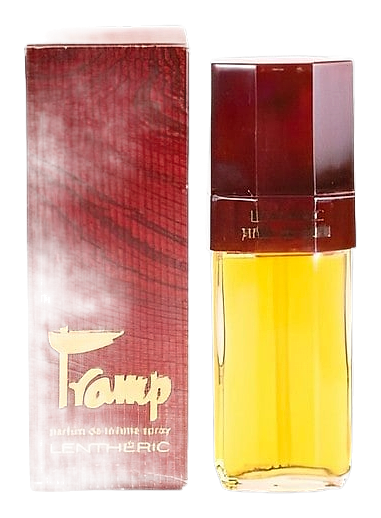
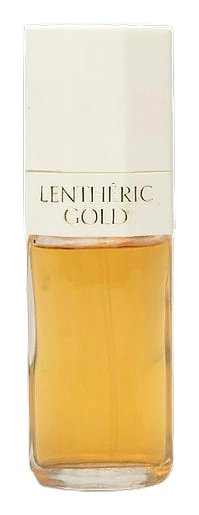
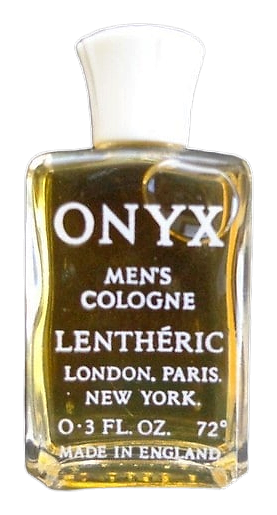
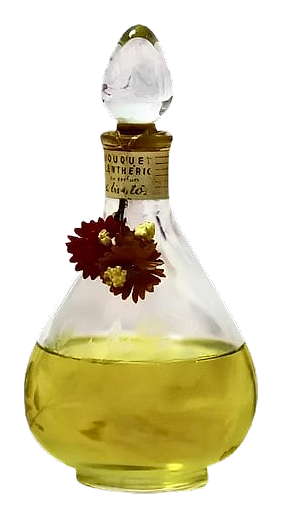
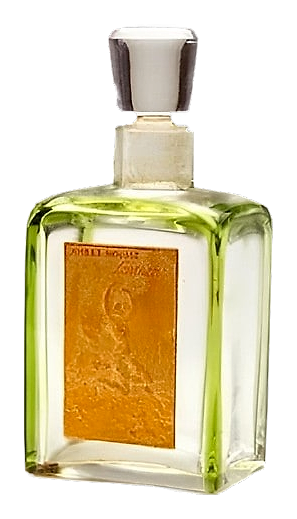
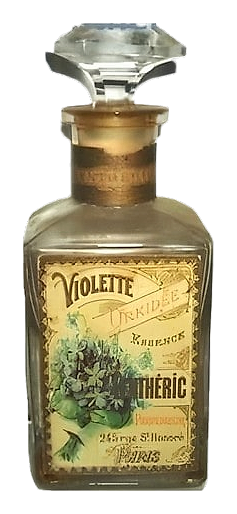
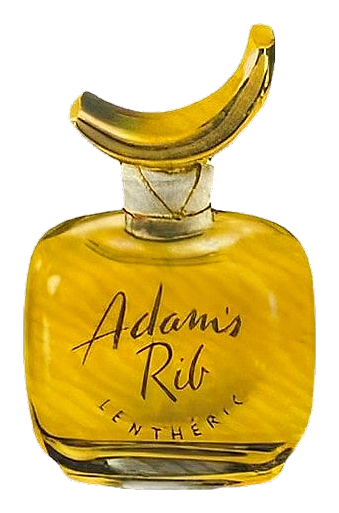
LenthericLentheric is a French perfume house whose roots stretch back to the late 1800s. Founded by hairdresser Guillaume Lenthéric, the brand began as a salon that offered bespoke fragrances to Parisian clients. Over more than a century it expanded into a full‑range perfume house, introducing iconic scents such as Miracle (1924), Onyx (1964) and Mystique (2001). Today Lentheric balances its historic Parisian atelier with a modern sensibility, delivering fragrances that feel both timeless and contemporary.
The Creator
René DurandWithout verified creations or public commentary on methodology, pinning a signature style to René Durand risks invention. Any responsible profile must acknowledge this gap.