
The Story
Why it exists.
The beginning
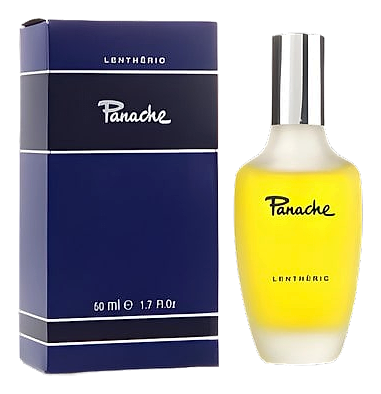
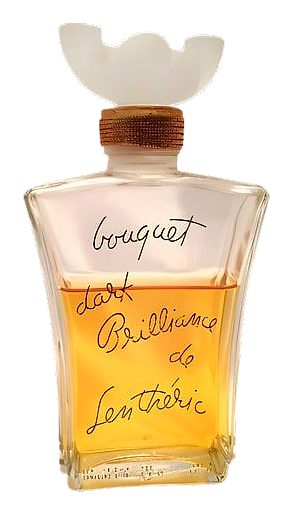
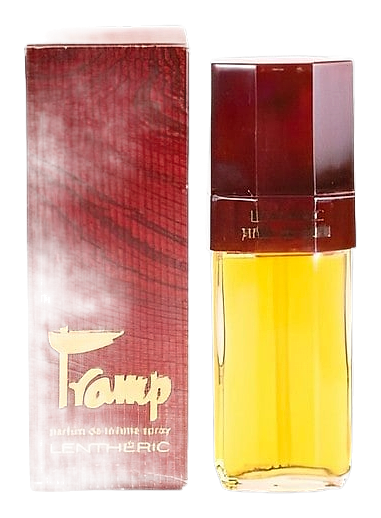
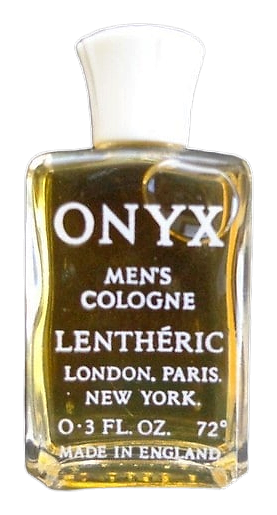
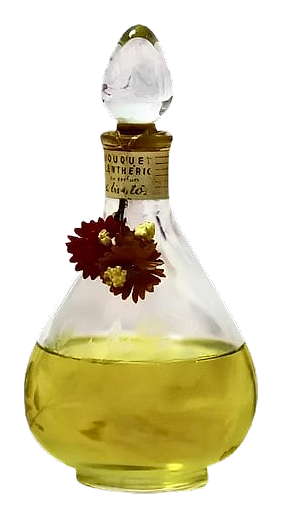
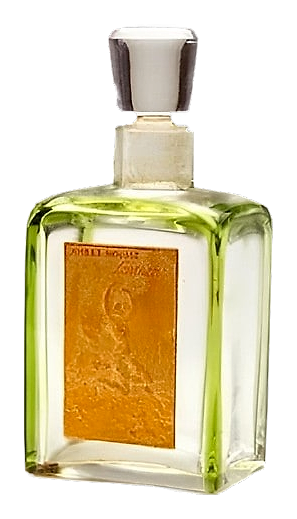
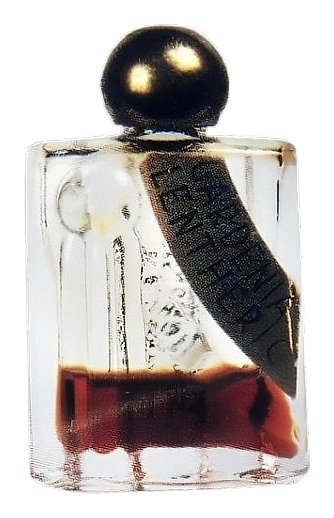
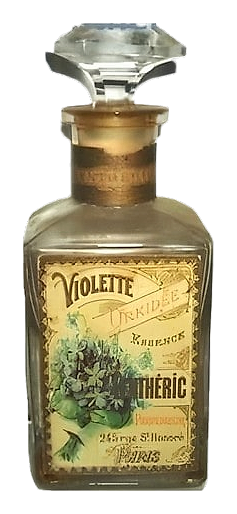
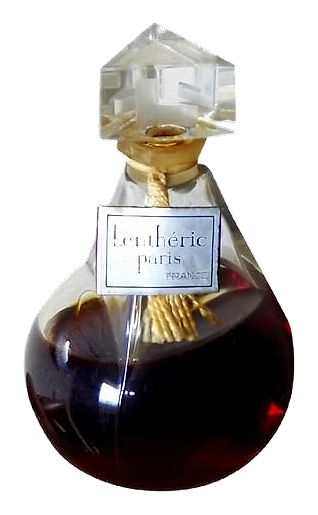
Asphodèle arrived in 1928 from Lentheric, a house with roots stretching back to 1795, when it began as a millinery before growing into something far more aromatic. By the late 1920s the company had spent decades building a name in fragrance, and Asphodèle was its meditation on narcissus, the flower whose name carries mythology, vanity, and an almost unsettling sweetness in equal measure. The composition treats that reference less as garden postcard and more as mood study. The narcissus absolute at the top pours out a green-honey sweetness, almost like crushed stems and warm pollen, settling close to the skin before the rest of the bouquet has a chance to arrive.
The narcissus in the opening is dense with indolic compounds, the same chemical family that gives jasmine and certain musks their warm undertone. Pairing it with tuberose, another indolic powerhouse, creates a creamy character that anchors the composition. The cyclamen and lily in the heart lift things away from pure density, adding a cool, watery green that keeps the whole from collapsing into sweetness. That tension, cool green florals wrapped around a warm narcotic core, defines the composition.
The evolution
The first thirty minutes are all narcissus, a green-honey sweetness that reads almost like bruised stems and warm pollen. It sits close, personal, not yet a full sillage event. Around the one-hour mark the tuberose arrives, not as a wall but as a thickening of the texture, creamier, fuller, with that faint banana-like sweetness only real tuberose absolute delivers. Cyclamen and lily cool the edges, adding something almost watery, like condensation on a glass. By hour three the indolic warmth has mellowed into musk, a soft, second-skin drydown that reads more like warm laundry than anything perfumey. Green notes linger at the very end, a final breath of stem-and-leaf that keeps the whole composition from going fully soft. The narcissus impression fades gradually, replaced by a warm musky hush that settles into skin rather than projecting outward.
Cultural impact
Asphodèle arrived in 1928 as a narcissus-led white floral from Lentheric, a house with origins in 1795. The composition leans heavily on narcissus absolute in the opening, supported by tuberose, cyclamen, and lily in the heart, with a musk-anchored drydown. The narcissus here carries that green-honey sweetness, almost like crushed stems and warm pollen, which settles close to the skin before the heart notes have a chance to fully develop.