The Story
Why it exists.
The beginning
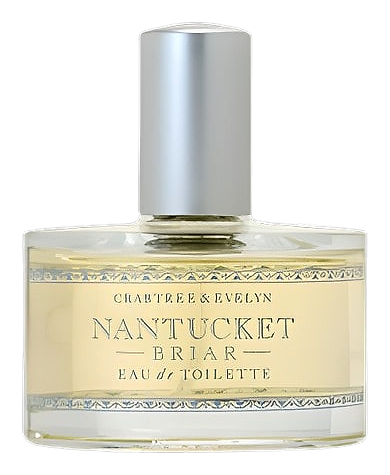
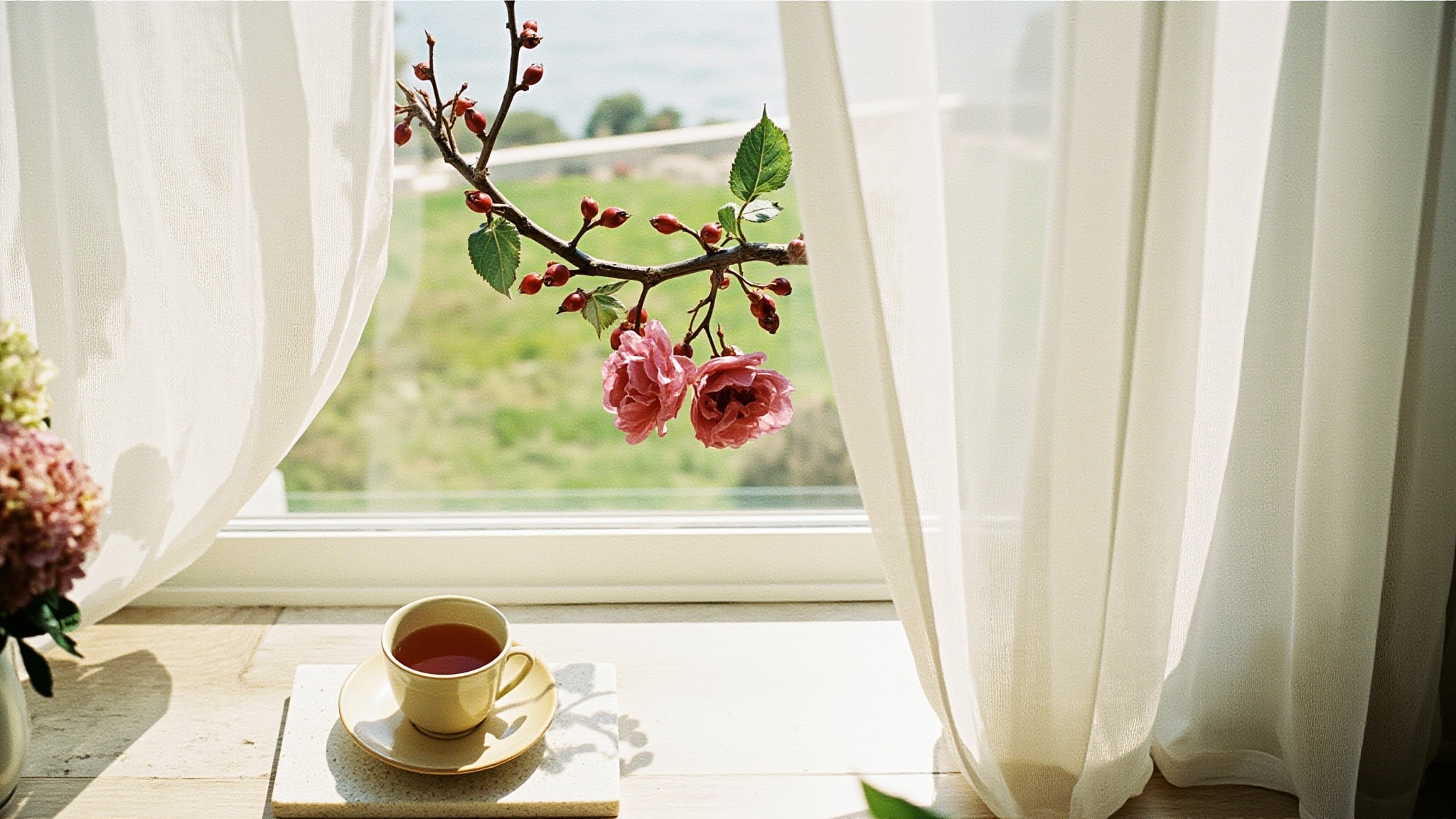
Nantucket Briar arrived in 1985, carrying the name of wild briar roses and ambergris in its composition, a blend that speaks directly to the nose without preamble. The name tells you exactly what it is: the untamed beauty of climbing roses, their petals and hips, intertwined with the warm, slightly marine sweetness of ambergris. The brand's travel-inspired philosophy shaped everything about this scent, the composition drawing from both sides of the Atlantic, British botanical restraint meeting something more free-form and natural. It captures the feeling of late summer, of roses gone slightly wild at the edge of a garden, their fragrance carried on a breeze that has traveled over water.
What makes Nantucket Briar unusual is its heart. Where many florals lean heavily on rose or jasmine, this one includes hydrangea, a garden flower rarely found in perfumery. Eglantine rose, the wild briar rose, brings a thornier, more natural character than its cultivated cousins. The combination creates a floral pyramid that smells genuinely botanical rather than constructed. Carnation in the top adds that slightly spiced, almost peppery lift that keeps the opening from going sweet, while the vanilla base prevents it from becoming too austere.
The evolution
The bergamot and citrus arrive first, bright and clean, almost soapy in the best way. Carnation appears within minutes, adding that unexpected spice that makes you pause. Then the handoff: the citrus fades, the roses bloom. Eglantine, peony, jasmine layer together, and the hydrangea adds that slightly green, almost dewy undertone that distinguishes this from a standard rose fragrance. By hour three, amber and vanilla have taken over, warming everything. Patchouli lingers in the base, settling close to the skin. The overall effect is one of gentle transition, each phase of the fragrance feeling intentional yet organic, like watching light change through a garden throughout the day.
Cultural impact
Nantucket Briar occupies an interesting space in fragrance history, arriving in 1985 as part of a dedicated fragrance collection that sought to translate the brand's botanical philosophy into scent. The fragrance itself has a devoted following, appreciated for its distinctive take on rose that incorporates unexpected green and dewy notes alongside warmer base elements. The combination of wild briar and botanical florals feels remarkably contemporary, with a composition that could easily sit comfortably among newer niche releases.