



Heritage
A house, in its own words
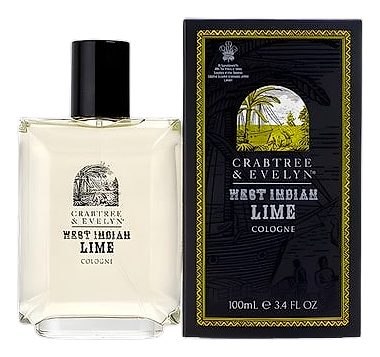
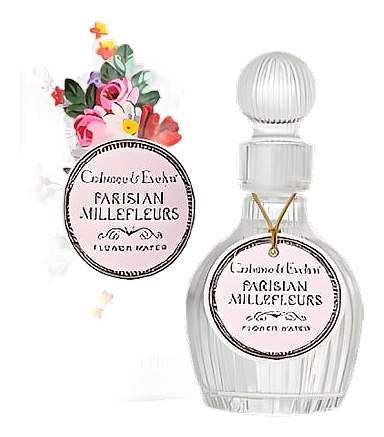
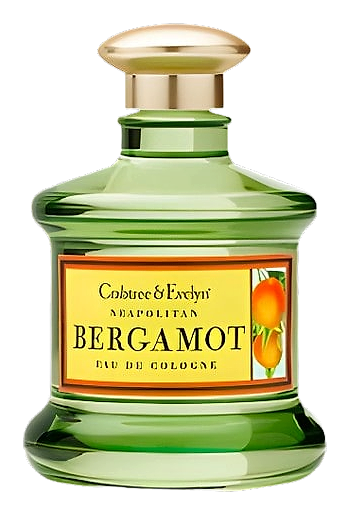
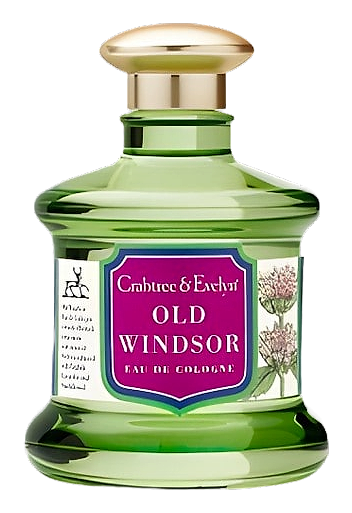
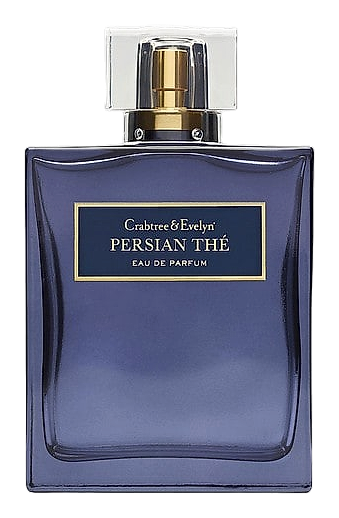
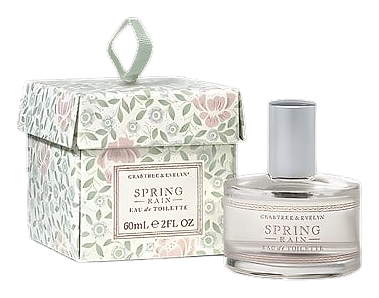
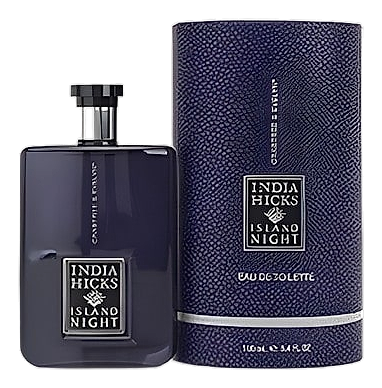
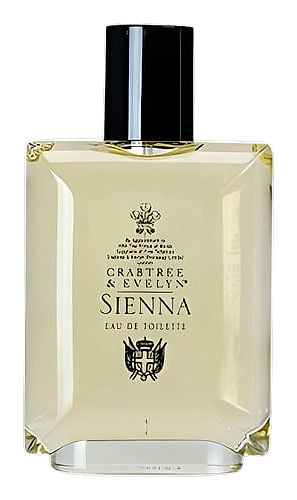
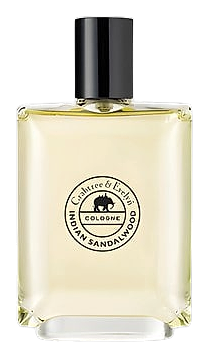
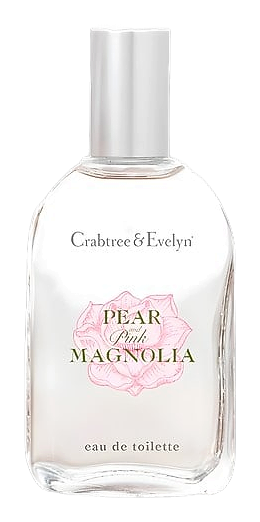
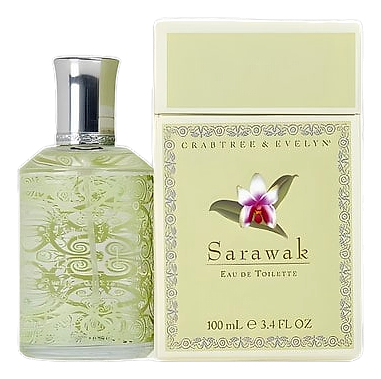
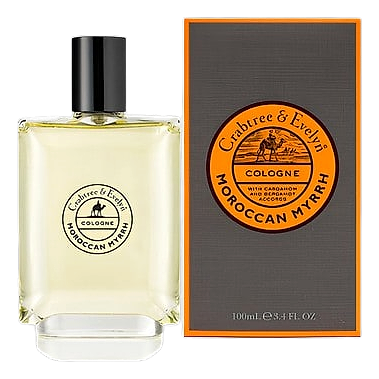
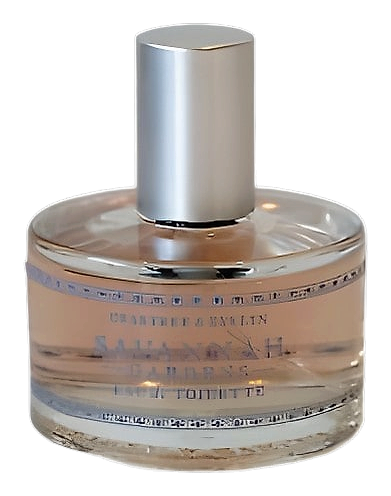
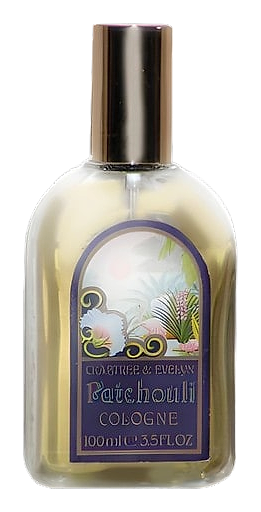
Cyrus Harvey Jr. opened a modest shop called The Soap Box in Cambridge, Massachusetts in 1955. Harvey, a co‑founder of Janus Films, traveled widely and brought back exotic soaps that he displayed on wooden shelves. The shop’s name combined the wild crabapple tree, known locally as a crabtree, with the 17th‑century botanist John Evelyn, a nod to the founder’s love of natural history. By the early 1970s the business expanded beyond the United States, opening its first London boutique in 1972 and establishing a foothold in the United Kingdom’s department‑store market. In 1985 the brand launched its first fragrance‑focused line, introducing scents such as Savannah Gardens and Spring Rain, which quickly found a niche among consumers seeking garden‑inspired aromas. The 1990s saw a shift toward broader personal‑care categories, adding body lotions, hand creams and a line of home fragrances. In 2012 a Hong‑Kong‑based group acquired the brand, prompting a redesign of packaging and a renewed emphasis on global sourcing. The United States retail presence closed in 2016, but the brand continued to sell through its website and select international partners. Throughout its more than six‑decade history, Crabtree & Evelyn has maintained a reputation for blending travel‑inspired storytelling with accessible, plant‑forward products, a formula that keeps the name recognizable in both fragrance and home‑care circles. The brand frames scent as a passport to memory. Its creative team selects ingredients that evoke specific locales, then layers them to suggest a journey rather than a single note. Crabtree & Evelyn stresses transparency, listing botanical origins on many product labels and encouraging customers to explore the provenance of each oil. Sustainability informs the sourcing strategy; the company prefers suppliers who practice responsible harvesting, especially for sandalwood, patchouli and citrus extracts. The design brief asks each fragrance to balance familiarity with discovery, so a scent might pair a classic English lavender with a hint of West Indian lime. This approach reflects the founder’s original curiosity about the world’s markets and his belief that a well‑crafted scent can bridge cultures. The brand also supports small‑scale growers by purchasing directly from cooperatives in India, Madagascar and the Caribbean, reinforcing a philosophy that values both quality and community.