
The Story
Why it exists.
The beginning
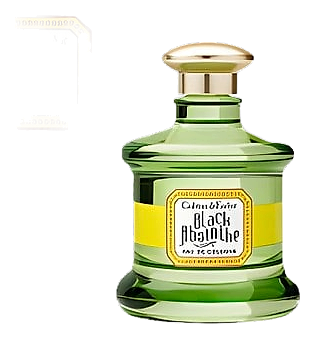
Black Absinthe arrived in 2015 as a limited edition, part of Crabtree & Evelyn's Heritage Collection. The collection had established a language of botanical restraint, Savannah Gardens, Spring Rain, Somerset Meadow, scents that smelled like places, not personas. Black Absinthe broke the pattern. Not by going loud, but by going strange. The brief was simple: absinthe as a concept, not absinthe as a note. Green and bitter and slightly dangerous, the way the drink was always supposed to taste. The brief asked for the spirit of something banned, not the facts of its banning.
What makes Black Absinthe work is its refusal to pick a side. It sits between two worlds: the aromatic herbalists (lavender, artemisia) and the sweet gourmands (tonka, licorice). The top is cold, absinthe, bergamot, cardamom, star anise arriving bright and almost spicy. The heart softens. The base warms. But at every stage, something pulls in the opposite direction. The sweetness keeps the herbs from going medicinal. The herbs keep the sweetness from going cloying. It's a composition built on tension, and that tension is what makes it feel alive.
The evolution
The opening hits sharp. Absinthe first, that cold, herbal bite that doesn't apologize for itself. Bergamot arrives in seconds, citrus brightening the edges. Cardamom and star anise build underneath, warm and almost sweet, a counterargument to the cold top. The composition shifts. The bite softens. Lavender and orange blossom arrive like a ceasefire, floral, almost soapy, but intentional. The licorice doesn't disappear. It deepens. Settles into the composition like a warm secret. Black becomes sweet. Sharp becomes soft. The drydown belongs to sandalwood and vetiver, creamy, earthy, grounded. Tonka bean adds a vanilla whisper. Musk stays close. On fabric, it lingers for hours, quieter than the opening but harder to forget. On skin, the progression continues subtly differently, intimate and close.
Cultural impact
Discontinued and harder to find, which makes wearing it a statement. It occupies a specific niche: the herbal-gourmand crossover that many fragrance enthusiasts seek but few mainstream releases deliver. It hedges between woods and spices and fresh notes. That ambiguity is its appeal and its limitation. Wearers who love it tend to love it fiercely, holding onto bottles like artifacts of something they helped keep alive.