The Story
Why it exists.
The beginning
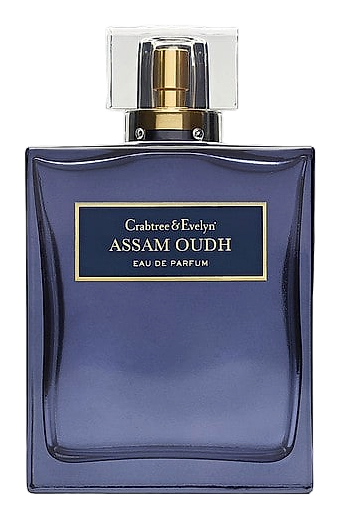
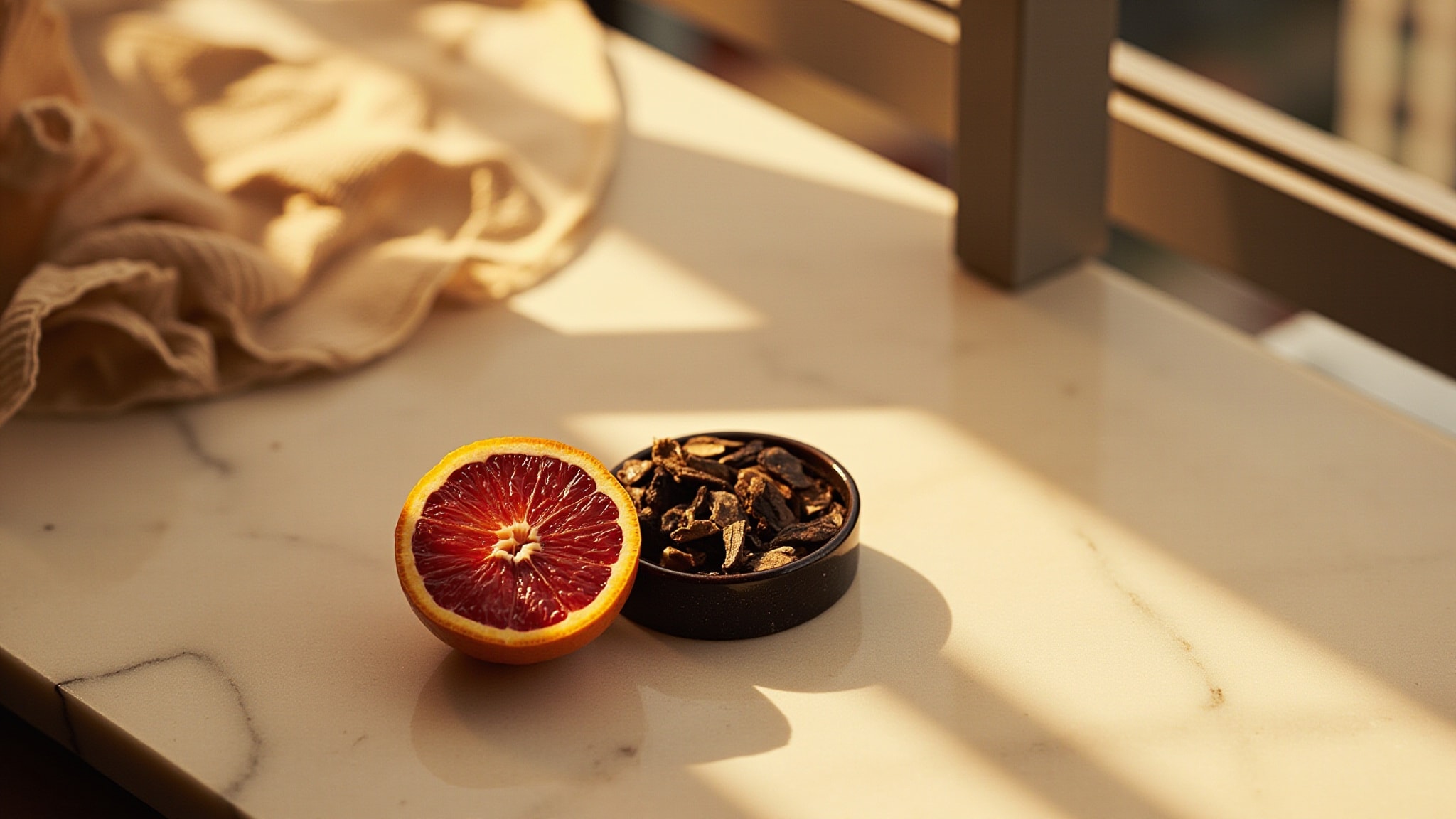
The name tells you exactly where to look. Assam, a region known for its tea cultivation, provides the inspiration for this composition. Oud, the wood that's been the subcontinent's most coveted aromatic for centuries, burned in temples, worn by royalty, traded like currency. Assam Oudh draws from both worlds. Bright citrus from the top of the pyramid, blood orange, bergamot, candied lemon, meets the dark resinous heart of the fragrance, where agarwood (oud) anchors everything that came before. Peony and pink pepper keep the middle interesting, adding spice and softness where a lesser composition would go heavy. This is oud without the performance. The drama is there, but the florals make it behave.
What makes this composition work is the citrus thread. In most oud fragrances, the opening is a formality, bright stuff that exists only to be consumed by the base. Here, the blood orange and bergamot run alongside the oud throughout the entire development, a luminous counterpoint to the darkness below. The sugar in the heart doesn't sweeten the fragrance so much as it extends the candied lemon from the top, creating a middle ground between confection and complexity. Pink pepper adds spice without heat; peony adds floral without delicacy. The result is a fragrance that feels complete at every stage, not a series of notes taking turns, but a conversation that keeps going.
The evolution
The opening is immediate: blood orange and bergamot, sharp and sparkling, with coriander adding an herbal lift that prevents the citrus from reading as simply fruity. Soon the florals arrive, peony first, then jasmine underneath, both softened by sugar. The pink pepper starts to show itself here, a gentle spice that keeps the sweetness honest. The oud begins to emerge gradually, rising slowly, like smoke finding its way out of a room. The peony doesn't disappear; it sits alongside the oud, two worlds occupying the same skin. The base notes arrive: vetiver's earthy grass, patchouli's dark leaf, the smoky resin of agarwood, and a musk that keeps everything cohesive and close. On fabric, the drydown lasts well into the evening. The sillage remains moderate, the kind that requires someone to stand beside you to notice.
Cultural impact
Assam Oudh occupied an interesting position: oud's depth with florals' accessibility. It arrived in 2013, before the broader interest in resinous, oriental compositions took hold. The citrus throughout keeps it approachable in a way that single-note oud never could be. The combination offers a bridge for wearers curious about deeper fragrance families, presenting oud's character through a lens of brightness and floral softness that makes the overall composition inviting rather than overwhelming.