
The Story
Why it exists.
The beginning
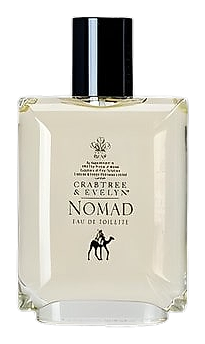
Nomad arrived in 1999 with a straightforward proposition: a woody aromatic that refused to choose between the forest and the open road. Nomad carried that restraint further, stripped back, unhurried. The name said everything. It wasn't about wandering aimlessly, it was about moving through the world on your own terms, carrying only what you needed, leaving room for what mattered.
What makes the structure interesting is how the pyramid refuses to let any single note dominate. Lemon tree gives the opening its brightness, but green tea keeps it grounded, a note that adds a different kind of depth without competing for attention. The heart layers bamboo against ginger and clove, which sounds like it should compete but instead creates something that works together. By the time cedar, teakwood, and sandalwood arrive in the base, the composition has found its footing. Three woods, each with a different weight, all present and accounted for.
The evolution
The opening hits bright and clean, lemon cutting through, green tea following close behind like a second thought that turns out to be the main one. Twenty minutes in, the bamboo and ginger arrive, and the composition shifts from sharp to warm without ever losing its composure. This is where Nomad earns its name: a transition, not a destination. The drydown is where the three woods do their work. Cedar arrives first, dry and present. Teakwood settles into the warmth as sandalwood softens everything, narrowing the focus, becoming intimate rather than announcing itself. The three woods layer without muddying, each one finding its own space, each contributing a different weight to the base.
Cultural impact
Nomad has attracted a following among those who discovered it in its original run, with online resale prices reflecting that interest. The fragrance stood apart from masculine fragrance conventions of its era, avoiding heavy spices and aggressive musk in favor of something more considered. What Nomad offered instead was a different kind of restraint: green tea and bamboo instead of marine notes, cedar instead of oud, a composition built from the ground up rather than assembled for effect. Those qualities made it easy to overlook at retail. They also made it worth remembering after it disappeared.