Lemon Tree
The lemon tree supplies perfumery with one of its most essential citrus materials. Oil pressed from the bright, irregular rind delivers an immediate burst of sunshine—sharp, clean, and instantly recognizable. This fruit has shaped fragrance history for centuries.
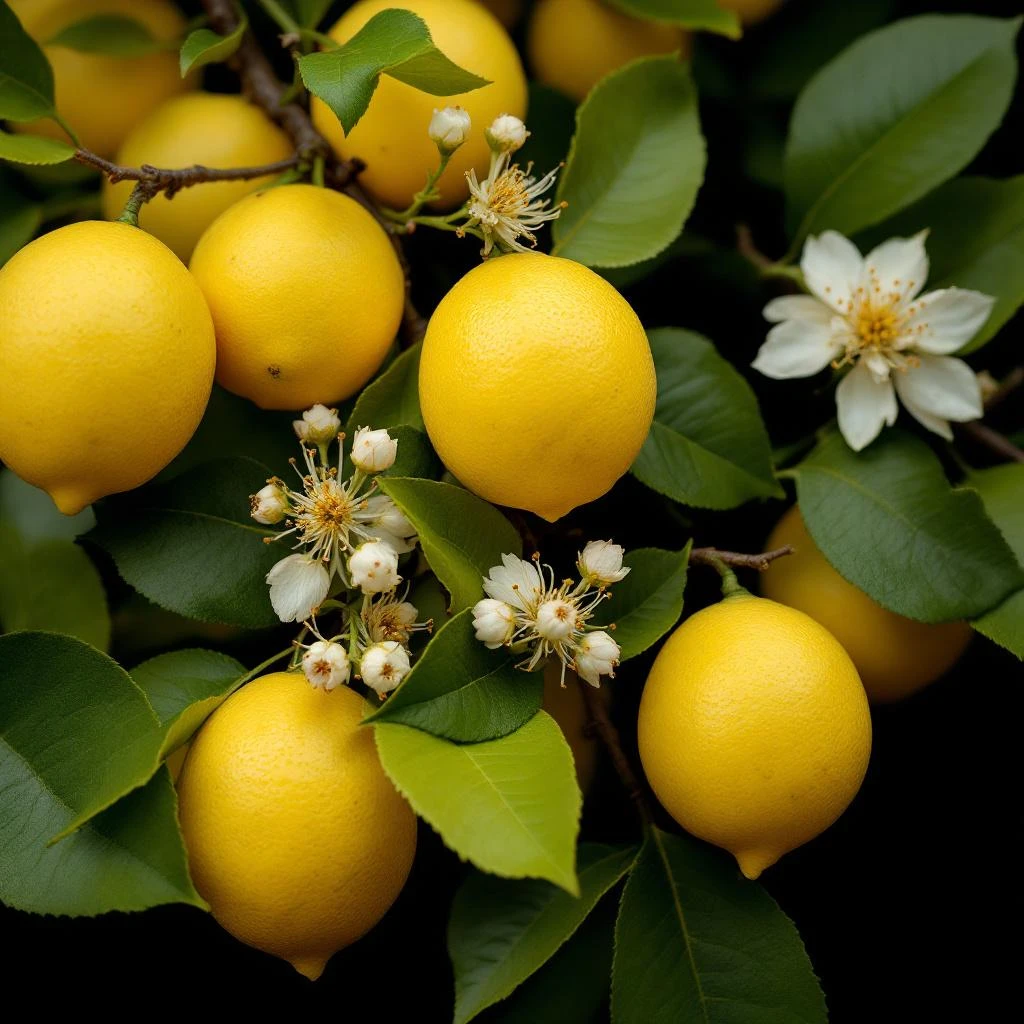
Character
How it smells
Sunlight captured in scent.
The lemon is a natural hybrid between a citron and a bitter orange, first appearing around 400 CE.







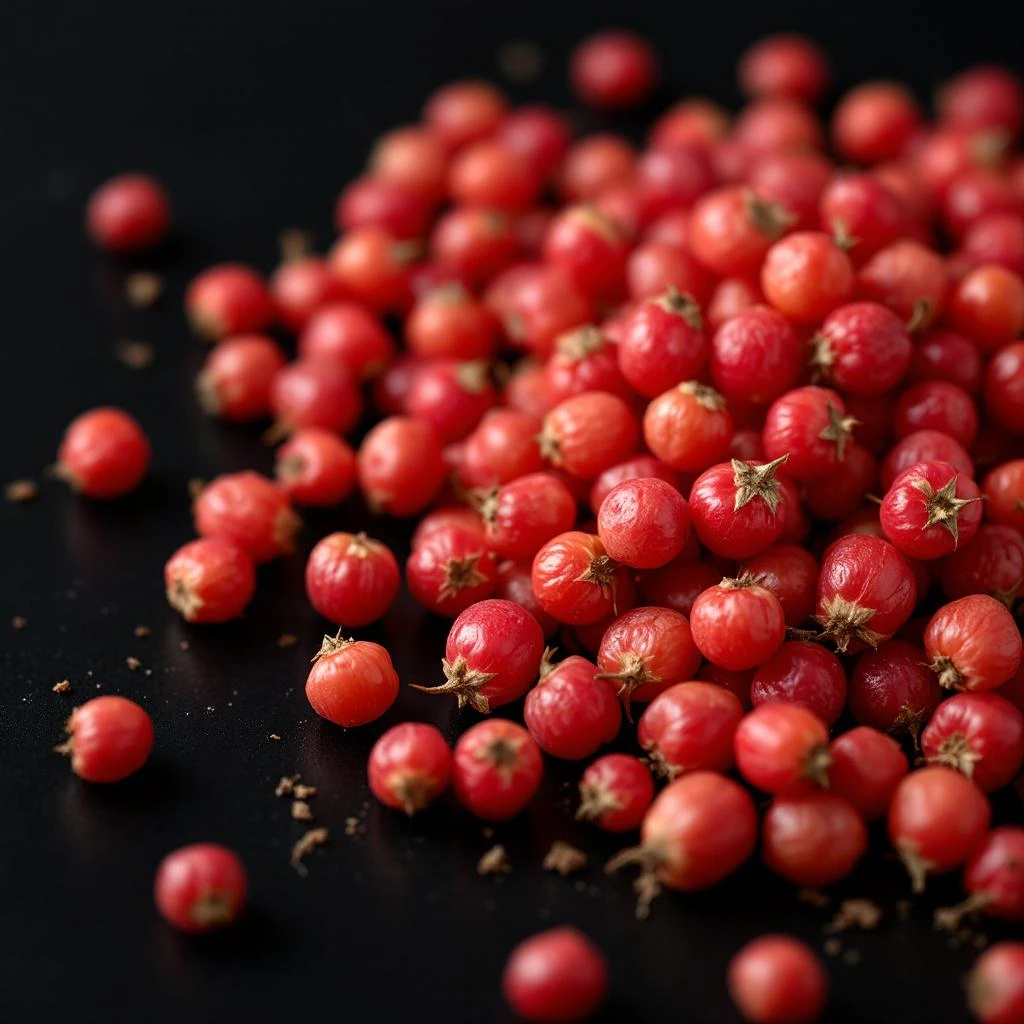

Origin
India
The lemon tree originated in Northeast India, where botanists believe a citron crossed with a bitter orange to produce the fruit sometime around 400 CE. Arab traders carried the plant westward along established trade routes, introducing it to the Islamic world by the 10th century. Southern Italy and Spain received the tree by the 12th century, where Mediterranean growers discovered the warm climate produced fruit with exceptional oil quality.
European perfumers adopted lemon oil early, finding it lifted heavier fragrance compositions with startling clarity. When Eau de Cologne appeared in 18th-century Germany, lemon oil became one of its defining ingredients. The fragrance industry of Grasse, already dominant in flower absolutes, added lemon to its repertoire and helped establish the citrus note as a permanent fixture in Western perfumery.
By the 19th century, lemon appeared in nearly every citrus fragrance formulation. It remains one of the first materials a beginning perfumer learns to work with, prized for its ability to open a composition and invite the wearer in. The tree itself was among the first citrus fruits brought to the Mediterranean basin, where it became a cornerstone of regional cultivation and fragrance tradition.
Wears it best
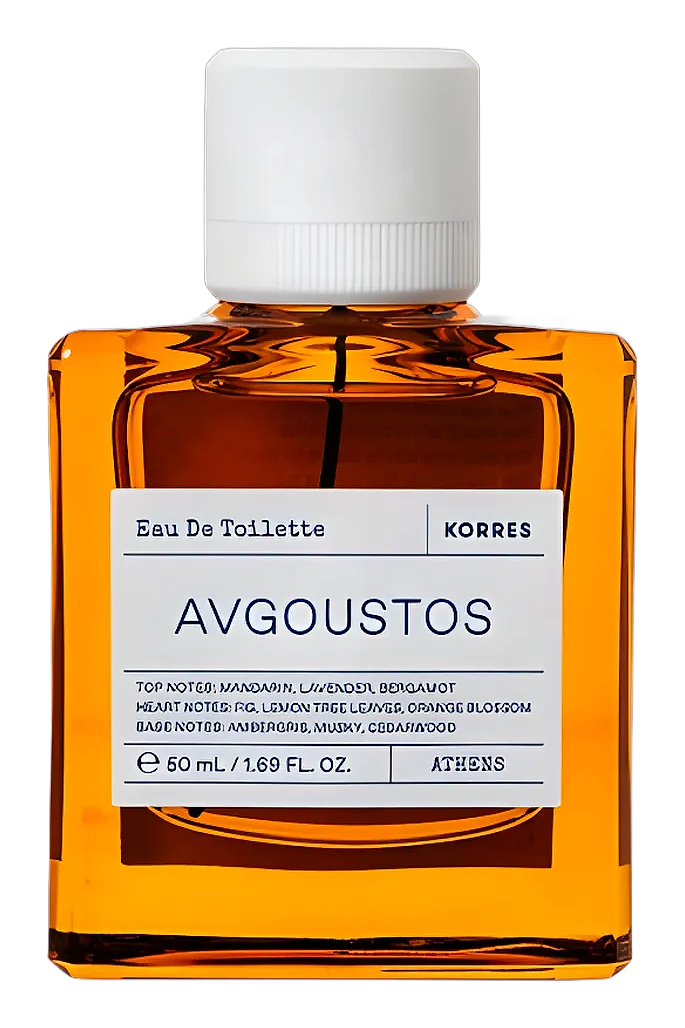
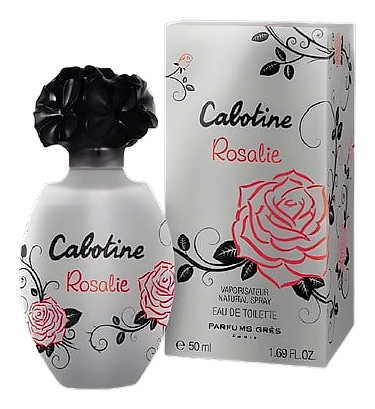
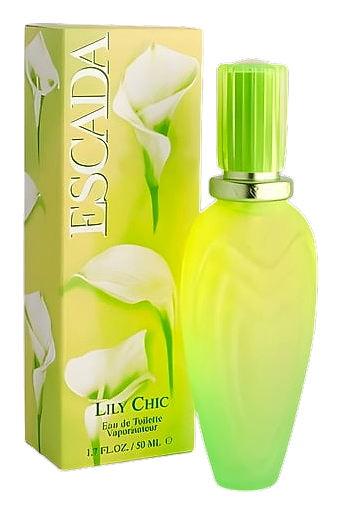
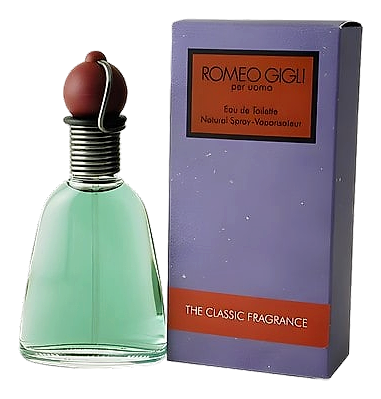
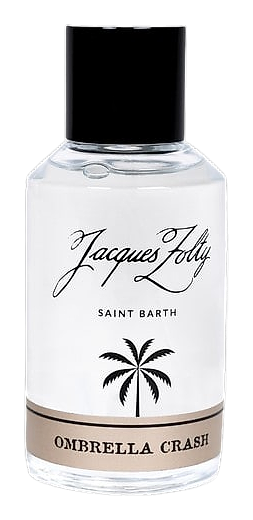
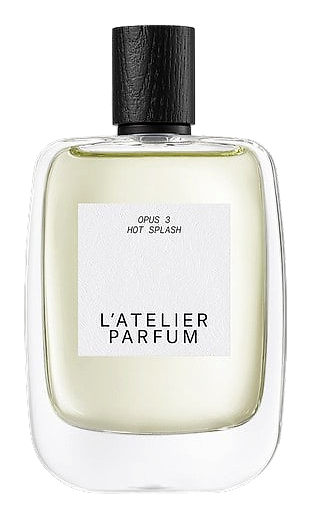
Fragrances featuring Lemon Tree



Brands
Brands known for Lemon Tree
Good to know
Questions, answered
The essentials on Lemon Tree in perfumery: how it smells, where it comes from, and how it behaves on skin.
What is lemon tree oil in perfumery?
Lemon tree oil in perfumery refers to cold-pressed oil extracted from the fruit peel of the lemon tree (Citrus limon). It provides a sharp, bright citrus note that acts as a top layer in fragrance compositions. The material is volatile and dissipates within hours on skin, which shapes how perfumers use it in formulas.
Why does lemon oil fade so quickly in fragrance?
Lemon oil contains high levels of limonene and other monoterpenes that oxidize rapidly when exposed to air and sunlight. These volatile compounds break down faster than heavier molecular structures, which is why lemon appears as a top note rather than a heart or base note in most fragrance formulas.
Is lemon oil sustainable to produce?
Major producers in Sicily, California, and Argentina have adopted integrated pest management and water-efficiency programs to reduce environmental impact. Lemon cultivation for essential oil represents a secondary market to fresh fruit production, which means waste rinds from juicing operations often supply the fragrance industry, improving overall resource efficiency.
What parts of the lemon tree are used in perfumery?
The fruit peel yields cold-pressed lemon oil as the primary perfumery material. Leaves and young twigs produce petitgrain lemon oil through steam distillation, offering a greener, more herbaceous citrus profile. Lemon blossom absolute exists but sees limited use due to extraction costs.
How do perfumers use lemon oil in formulations?
Perfumers treat lemon oil as a natural blender that brightens heavier base materials and adds lift to an entire composition. It works particularly well at the opening of a fragrance to establish immediate freshness. The material pairs naturally with mint, rosemary, neroli, and other citrus varieties.
Where did the lemon tree originate?
The lemon tree (Citrus limon) originated in Northeast India as a hybrid between citron and bitter orange, appearing around 400 CE. Arab traders spread the plant westward along trade routes, and Mediterranean growers established cultivation in Italy and Spain by the 12th century.
Can synthetic lemon fragrance replace natural oil?
Synthetic alternatives such as citral and various lemon-scented aroma chemicals can approximate parts of lemon's aroma profile. However, natural lemon oil contains dozens of trace compounds that create its characteristic brightness and complexity. Synthetic substitutes remain useful for stability but rarely match the full sensory character of cold-pressed oil.
What does lemon tree smell like?
Lemon oil smells sharply citrusy with pronounced brightness and a clean, almost astringent quality. The aroma carries green, slightly zesty characteristics with a subtle sweetness underneath. Petitgrain lemon from leaves adds a more herbaceous, floral dimension not present in peel oil.