
The Story
Why it exists.
The beginning
Lily Chic arrived in 2000 as a limited seasonal release from Escada, part of a tradition of smaller, experimental fragrances that let the house play without the pressure of a permanent lineup. Francis Kurkdjian, already demonstrating the versatility that would later define his career, was the nose. The brief was spring: not the idea of spring, but the actual feeling of it, that first warm day when the air changes and everything that was dormant decides to come back to life. Escada's fashion house had built its identity on vivid color and kinetic energy, and Lily Chic translated that into a fragrance that felt like the season turning the corner. It was cheerful, optimistic, and unapologetically bright, the olfactory equivalent of a turquoise handbag or a sunshine-yellow scarf, worn without explanation. Limited editions rarely get a second life. Lily Chic was one of the ones people kept looking for.
What makes Lily Chic interesting is the way it stacks freshness without flattening into aquatic nothing. The pear and green apple open with an immediate sweetness that reads more orchard than perfume counter, fruit you could almost bite into. The green notes are doing real work here: they keep the sweetness honest, grounded in something that smells natural rather than synthesized. Then the lily-of-the-valley enters the composition, not as a loud floral statement but as a quiet middle voice, the kind of note that doesn't demand attention but holds the whole thing together.
The evolution
The opening hits bright and clean, pear and green apple, that immediate sweetness that reads like the first morning after a long winter. No drama. Just a straight line to spring. Over the next hour, the lily-of-the-valley emerges from the green notes, and this is where the fragrance earns its name. The transition isn't loud, it's the quiet moment when the garden stops being concept and starts being real. Lemon tree keeps it airy, keeps it moving. By hour two, the citrus base takes over, but it's warmer now, grapefruit and lime wrapped in amber, the kind of drydown that stays close to the skin rather than announcing itself across the room. Six to eight hours is the range most people report, which is solid for a fruity-fresh composition. The next morning there's a faint trace of amber and something green still holding on, not quite gone, not quite perfume anymore. Just the memory of wearing it.
Cultural impact
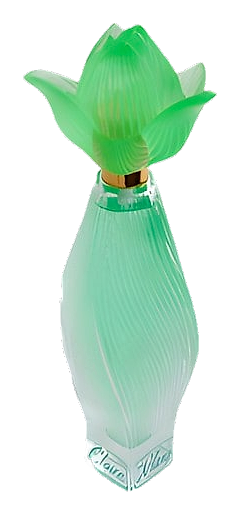
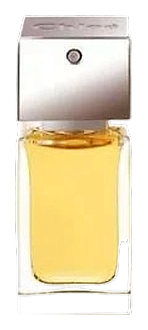
Lily Chic was a limited seasonal release from 2000, the kind of Escada fragrance that didn't aim for decades on end but captured a moment instead. The yellow-green bottle and green-toned box with white lilies made it visually distinctive on the shelf. It's become one of those discontinued Escada scents that people still seek out, not because it was revolutionary, but because it was exactly right for what it was: a cheerful, spring-limited composition that did its job without overreaching. Francis Kurkdjian's early work here shows the same precision he'd bring to later, more famous compositions.