The Story
Why it exists.
The beginning
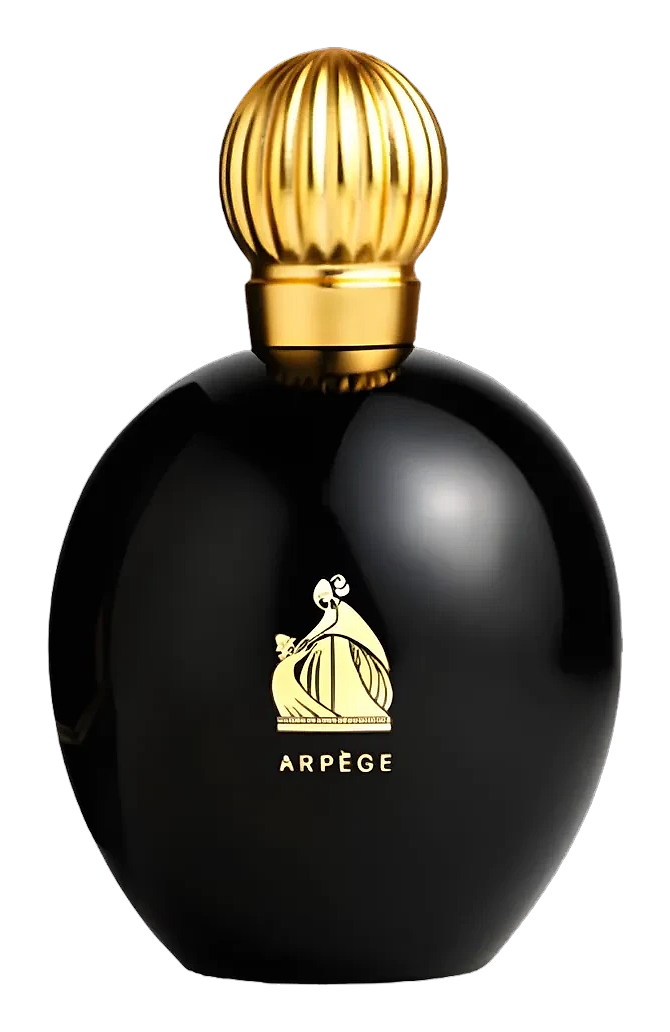
Lanvin launched Clair de Jour in 1983 as an expression of luminous, daytime sophistication. While the house had established itself with Arpege's profound grandeur, this fragrance was conceived for a different moment: the clear, bright hours when one moves through the world with purpose and poise. The perfumer behind this composition worked within the aldehydic tradition that defined French luxury perfumery, but approached it with a clarity that felt distinctly modern for its era. Rather than the dramatic, room-filling presence of its predecessors, Clair de Jour was designed as an intimate companion, a fragrance that announces its wearer without announcing itself to everyone in the hallway.
The note philosophy behind Clair de Jour reflects a careful balance between celebration and restraint. Aldehydes and green notes work together in the opening to create a bright, sparkling effect that feels immediate but not aggressive. The floral heart, anchored by jasmine and magnolia, is designed to feel lush without becoming heavy, making the fragrance suitable for daytime wear in professional and social contexts. The drydown leans on oakmoss and cedarwood to provide structure and longevity, ensuring the fragrance maintains interest on the skin throughout the day.
The evolution
The evolution of Clair de Jour traces a path from crystalline brightness to warm, grounded elegance. In the opening phase, aldehydes deliver their signature effervescence, immediately setting the tone for classic French perfumery. Bergamot and green notes provide contrast, keeping the aldehydes from feeling excessive. As the fragrance moves into the heart phase, jasmine and magnolia take center stage, supported by lily of the valley and cyclamen, creating a floral blend that feels both lush and controlled. The rose note adds subtle warmth without introducing sweetness. The drydown phase marks the transition from decorative florals to architectural structure. Oakmoss and cedarwood form a woody framework that grounds the composition, while sandalwood introduces a creamy, enveloping warmth. Musk and civet complete the base, providing longevity and a faint animalic dimension that elevates the fragrance from pleasant to genuinely complex.
Cultural impact
Clair de Jour arrived at a moment when green aldehydic scents were redefining modern perfumery, capturing the optimism of early‑80s fashion and the rise of minimalist aesthetics. Its fresh, garden‑inspired profile resonated with a generation seeking both sophistication and approachability, influencing subsequent designers to explore crisp botanical accords. Over the decades, the perfume has become a reference point for green‑floral compositions, often cited in retrospectives as a bridge between classic elegance and contemporary freshness, cementing its place in cultural memory as a timeless expression of springtime optimism.