
The Story
Why it exists.
The beginning
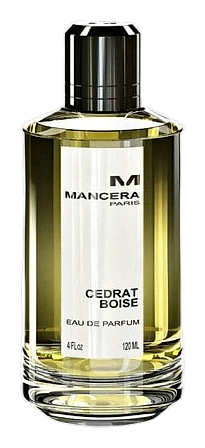
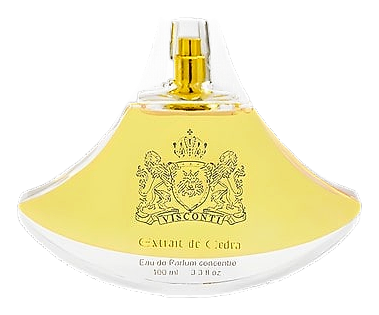
Cedrat is the original citrus, the ancient fruit that lemons descended from, grown along the Mediterranean for its fragrant peel and bitter pulp. Antonio Visconti's interpretation captures both meanings: the fruit and the tree it grows on. Cedar and cedrat share a name, a landscape, a certain austere beauty. Extrait de Cedrat is the result: a fragrance built on contrast, where each layer contradicts the last before finding harmony. The opening arrives bright and immediate, a burst of citrus that feels simultaneously fresh and complex. As it develops, the aromatic depth of cedarwood emerges, adding a dry, resinous quality that grounds the initial brightness.
What sets this apart from a standard citrus fragrance is the cedar leaf, not cedarwood, but the fresh, green, slightly astringent top of the actual cedar tree. Litsea cubeba, often used as a substitute for more expensive citruses, appears here as a genuine bridging element, adding a soft, spicy citrus that smooths the transition from bergamot to iris. The combination of oakmoss and oud in the base creates a rich, layered foundation that supports the fragrance's brighter opening notes.
The evolution
The opening hits within seconds. Bergamot and mandarin orange arrive first, bright, immediate, a little sweet. Basil arrives alongside and immediately sharpens everything. Citron adds its clean, almost detergent-like citrus clarity. The first twenty minutes are effervescent, almost fizzy. Then the hand-off begins. Cedar leaf shifts the tone from fruity to green, that unmistakable pencil-shaving quality, but softer, less aggressive, with iris's powdery violet adding softness to the sharp edges. Litsea cubeba keeps the citrus thread alive underneath. Patchouli adds its earthy, slightly bitter counterpoint. By the second hour, the top notes have fully departed and the base owns the stage. Cedarwood here is dry, almost smoky, the kind that smells like wooden furniture in a Florentine atelier. Oakmoss brings its characteristic damp-forest quality, the smell of moss on old stone.
Cultural impact
Extrait de Cedrat occupies a distinctive space in contemporary perfumery, drawing from the traditions of Italian fragrance houses while maintaining a citrus-woody character. Antonio Visconti's approach honors classical European perfumery techniques, emphasizing natural botanical extracts and traditional aromatic compounds. The fragrance appeals to those seeking classical structures in modern contexts, with emphasis on cedar leaf and oakmoss that showcase older perfumery materials.