    Brand Profile

    Antonio Visconti is an Italian fragrance house that blends the legacy of a 19th‑century Florentine glove maker with modern olfactory art. Th…More

    Italy·Est. 1857·Site

    3

    Fragrances

    4.3

    Rating

    30
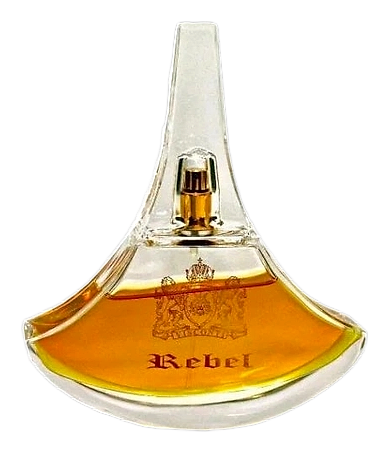
    Rebel by Antonio Visconti
    Best Seller
    4.3

    Rebel

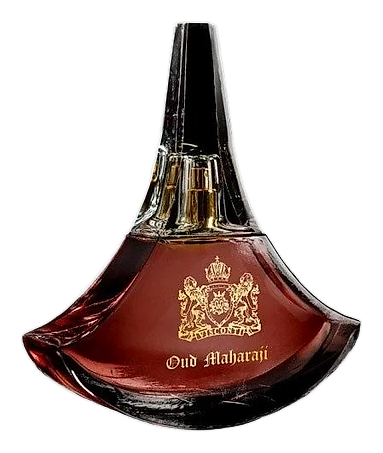
    Oud Maharaji by Antonio Visconti
    4.3

    Oud Maharaji

    Rose Sauvage by Antonio Visconti
    4.1

    Rose Sauvage

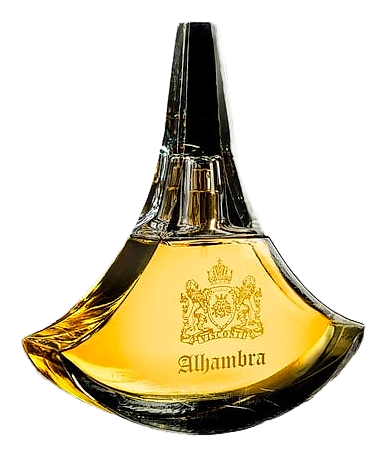
    Alhambra by Antonio Visconti
    Best Seller
    4.4

    Alhambra

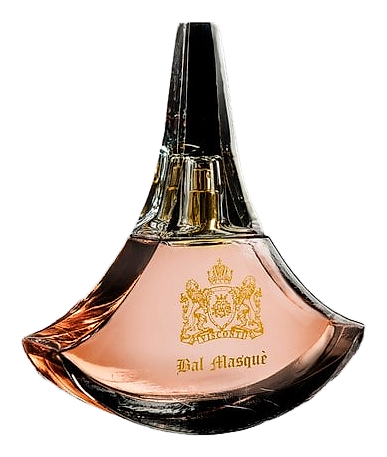
    Bal Masqué by Antonio Visconti
    Best Seller
    4.4

    Bal Masqué

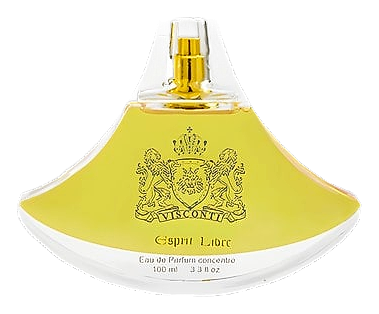
    Esprit Libre by Antonio Visconti
    4.3

    Esprit Libre

    Tabarom by Antonio Visconti
    4.3

    Tabarom

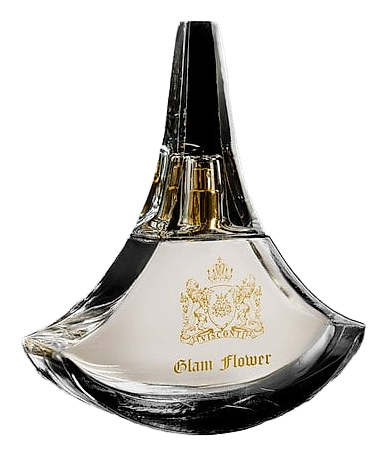
    Glam Flower by Antonio Visconti
    4.2

    Glam Flower

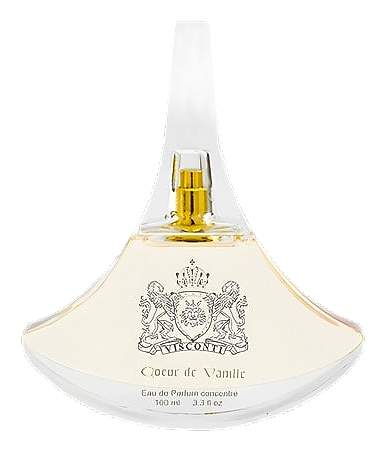
    Coeur de Vanille by Antonio Visconti
    4.2

    Coeur de Vanille

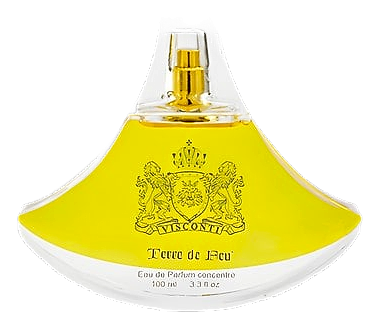
    Terre de Feu by Antonio Visconti
    4.2

    Terre de Feu

    Fleur de Nuit by Antonio Visconti
    4.2

    Fleur de Nuit

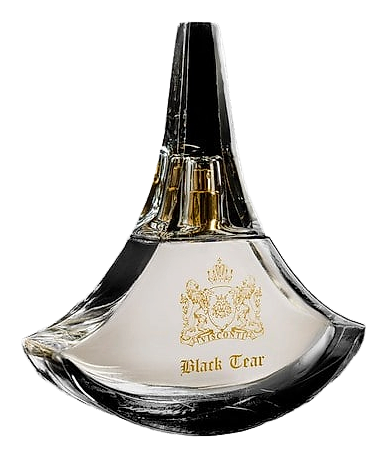
    Black Tear by Antonio Visconti
    4.2

    Black Tear

    1 of 3

    The Heritage

    The Story of Antonio Visconti

    Antonio Visconti is an Italian fragrance house that blends the legacy of a 19th‑century Florentine glove maker with modern olfactory art. The brand offers a line of niche scents such as Rebel, Alhambra, and Oud Maharaji, each built on traditional extraction methods and a commitment to aromatic balance. Its collections aim to provide a sensory experience rooted in history while speaking to contemporary tastes.

    Heritage

    The Visconti story begins in 1857 when Averardo Visconti, a master glove artisan from Florence, opened a boutique on Paris’s Faubourg Saint‑Honoré. The shop introduced Florentine craftsmanship to the French capital and quickly became a reference point for luxury accessories. Over the following decades the family expanded its expertise beyond leather, experimenting with aromatic compounds that complemented the tactile quality of their gloves. By the early 20th century, members of the Visconti lineage were noted for creating bespoke scent blends for private clients, a practice that remained largely undocumented outside the family circle. In 2005 Antonio Martino Visconti assumed leadership of the family enterprise, steering the historic brand toward a dedicated perfume division. Under his direction the house formalised its fragrance portfolio, launching notable releases such as the 2015 Oud Maharaji, a composition that highlighted the brand’s willingness to explore rich, resinous notes while staying true to its heritage of meticulous preparation. The evolution from glove maker to perfume house reflects a gradual but deliberate shift, preserving the original emphasis on hand‑crafted quality while embracing the expressive potential of scent. Today the company continues to reference its 19th‑century origins in marketing materials and product narratives, positioning the Visconti name as a bridge between historic artisanal practices and contemporary niche perfumery.

    Craftsmanship

    Production at Antonio Visconti follows a sequence that mirrors the brand’s historical roots. Raw botanical and animalic materials are first subjected to maceration, a slow soaking in neutral carriers that allows volatile compounds to diffuse naturally. Following maceration, the enflourage stage introduces gentle heat to coax deeper aromatic notes without degrading delicate molecules. These steps are carried out in small batches, enabling the perfumers to monitor each phase closely. Ingredient sourcing emphasizes regions known for quality: Moroccan oud, Indian sandalwood, and French bergamot are among the components regularly procured from established growers who practice sustainable harvesting. The house maintains a ledger of supplier certifications to ensure compliance with environmental standards. Once the extracts are blended, the mixture undergoes a period of maturation in glass vessels, a practice that mirrors the aging of fine spirits and helps achieve a harmonious balance. Quality control includes organoleptic testing by senior perfumers who evaluate the scent’s evolution over weeks, checking for consistency and stability. Final bottling occurs in a climate‑controlled environment, with each bottle sealed by hand and inspected for visual defects. The brand’s commitment to these meticulous steps reflects an intention to preserve the original character of each ingredient while delivering a fragrance that remains true to its intended profile throughout its lifespan.

    Design Language

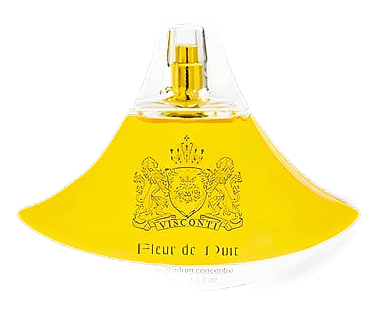
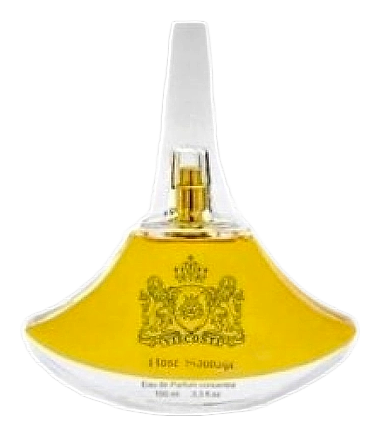
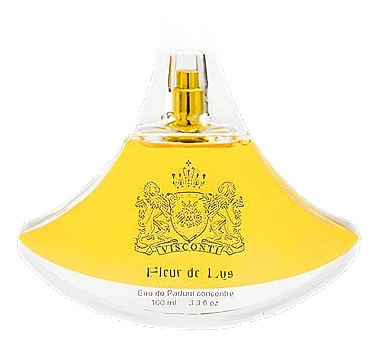
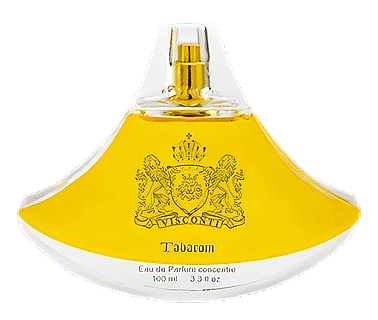
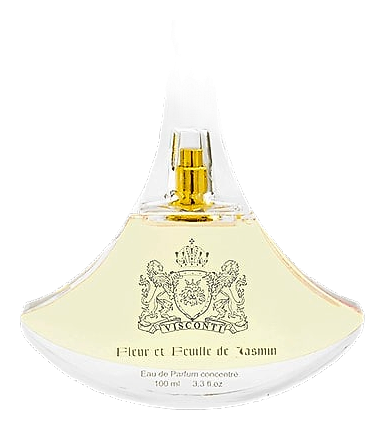
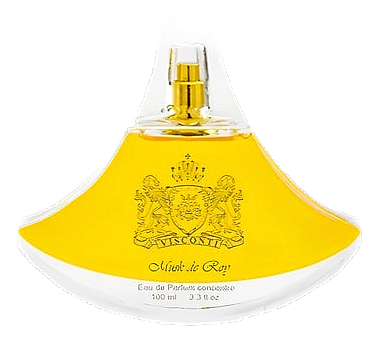
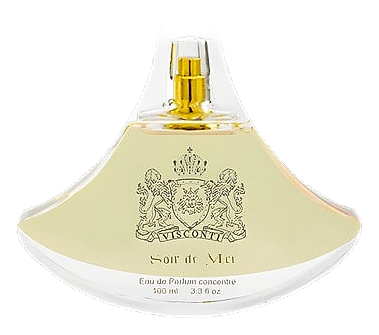
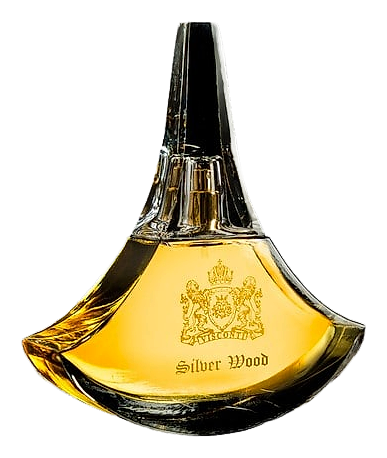
    The visual language of Antonio Visconti draws directly from its Florentine heritage. Bottle designs feature clean, rectangular silhouettes reminiscent of classic glove boxes, finished in brushed metal or matte glass that echo the tactile quality of leather. Labels are typographically restrained, using a serif font that references 19th‑century Italian signage, and are often accompanied by a subtle embossing of the Visconti crest. Color palettes vary by collection but tend toward muted earth tones for woody compositions and soft pastels for floral releases, reinforcing the connection between scent character and visual cue. Packaging materials are chosen for durability and elegance, with secondary boxes crafted from recycled paper that bears a faint watermark of the family’s original glove motif. Marketing imagery frequently incorporates chiaroscuro lighting, highlighting the interplay of light and shadow on the bottle surface, a nod to the dramatic aesthetics of Renaissance art. The overall brand image projects a sense of timeless refinement, positioning each fragrance as an object of both visual and olfactory appreciation.

    Philosophy

    Antonio Visconti frames its creative vision around the principle that fragrance should be a disciplined craft rather than a fleeting trend. The house emphasizes the art of maceration and enflourage – two extraction techniques that the brand credits to its founder’s early experiments with natural oils. By allowing raw materials to rest and mature before distillation, the process seeks to preserve the integrity of each botanical element. The brand’s values include respect for provenance, a preference for ingredients that can be traced to their source, and a dedication to transparent formulation. Rather than chasing market hype, the house prioritises compositions that reveal their structure over time, encouraging wearers to engage with the evolving layers of a scent. This approach aligns with a broader belief that perfume, like a fine textile, benefits from patience, careful handling, and an appreciation for the subtle interplay of its components. The philosophy is communicated through interviews with the perfumers, product notes that describe the extraction method, and a consistent narrative that ties each new release back to the family’s historic commitment to artisanal mastery.

    Key Milestones

    1857

    Averardo Visconti opens a glove shop on Paris’s Faubourg Saint‑Honoré, introducing Florentine craftsmanship to the French market.

    1900

    Visconti family begins experimenting with aromatic blends for private clientele, laying groundwork for future perfume activities.

    2005

    Antonio Martino Visconti assumes leadership of the family business and formalises a dedicated perfume division.

    2015

    Launch of Oud Maharaji, a signature scent that showcases the brand’s use of traditional maceration and enflourage techniques.

    At a Glance

    Brand profile snapshot

    Origin

    Italy

    Founded

    1857

    Heritage

    169

    Years active

    Collection

    3

    Fragrances released

    Avg Rating

    4.3

    Community sentiment

    visconti-perfumes.com

    Did You Know?

    Interesting Facts

    Distinctive details and defining moments that shape the house personality.

    01

    The Visconti name originated in the glove trade, a craft that required precise hand‑stitching, a skill the family later applied to fragrance formulation.

    02

    Maceration and enflourage, the two extraction methods highlighted by the brand, are rarely employed together in modern niche perfumery.

    03

    Antonio Visconti’s 2015 Oud Maharaji was one of the first releases to pair Moroccan oud with a macerated sandalwood base, creating a distinctive depth rarely heard in contemporary oud compositions.

    04

    The brand’s bottle design intentionally mirrors the shape of a traditional glove box, linking the visual identity to its 19th‑century origins.

    The Artisans

    The Perfumers