The Story
Why it exists.
The beginning
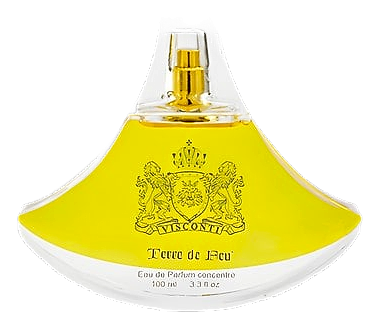
This fragrance is one of the most declarative from the house of Antonio Visconti. It was built around contrast: the warmth of tobacco and vanilla against the sharp, almost medicinal beauty of clove and carnation. Pine and cedar give it a forest-floor depth that grounds the spice. There's a persistent char-like quality to the blend, something that suggests renewal alongside the destruction. Carnation brings a velvety, slightly dusty floral note that softens the sharper elements without making them gentle. The tobacco note doesn't arrive immediately but builds gradually, intertwining with a vanilla presence that adds sweetness without becoming dominant.
What makes Terre de Feu distinctive isn't any single material, it's the tension between its opening and its end. The top notes arrive with genuine heat: clove is assertive, carnation adds a dusty, almost papery floral weight, and a brief citrus flash keeps it from becoming claustrophobic. But that heat doesn't build toward combustion. Instead, it moderates. Pine and cedar take over the middle ground, bringing a cool, resinous quality that reads as forest rather than fire. Jasmine adds sweetness from below. By the time the base arrives, tobacco, vanilla, tonkin musk, and vetiver, the composition has done something unusual: it's gone from warm to warm in a completely different register.
The evolution
Clove hits first. Bold, almost antiseptic, the kind of spice that makes your eyes water slightly if you're paying attention. Carnation softens it within seconds, velvety, a little dusty, like the inside of a church in late autumn. Mandarin orange and citron flash through briefly, adding brightness that lasts maybe five minutes before the woods arrive. Pine and cedar define the heart. This is where the fragrance shifts from interesting to comfortable. Jasmine weaves through the conifers, adding a floral sweetness that prevents anything from reading as harsh or overly masculine. Then the base takes over. Tobacco and vanilla together create a warmth that isn't sweet exactly, it's more like the smell of a wool blanket that's been near a woodstove. Tonkin musk adds animalic depth without going dirty. Vetiver and angelica keep the earthiness present.
Cultural impact
Terre de Feu emerges from the Italian niche tradition, positioning itself within a lineage of artisan perfumers who rejected the standardization of mid-20th century fragrance production. The house's approach reflects a broader cultural return to craft authenticity that accelerated in the 1990s and 2000s niche renaissance. Unlike mass-market productions optimized for broad appeal, Terre de Feu's spice-forward composition targets wearers seeking fragrance as personal expression rather than social signaling. The bold character makes a statement from the first spray.