The Story
Why it exists.
The beginning
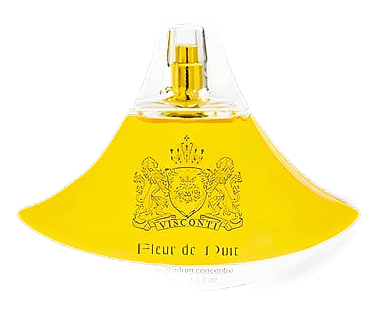
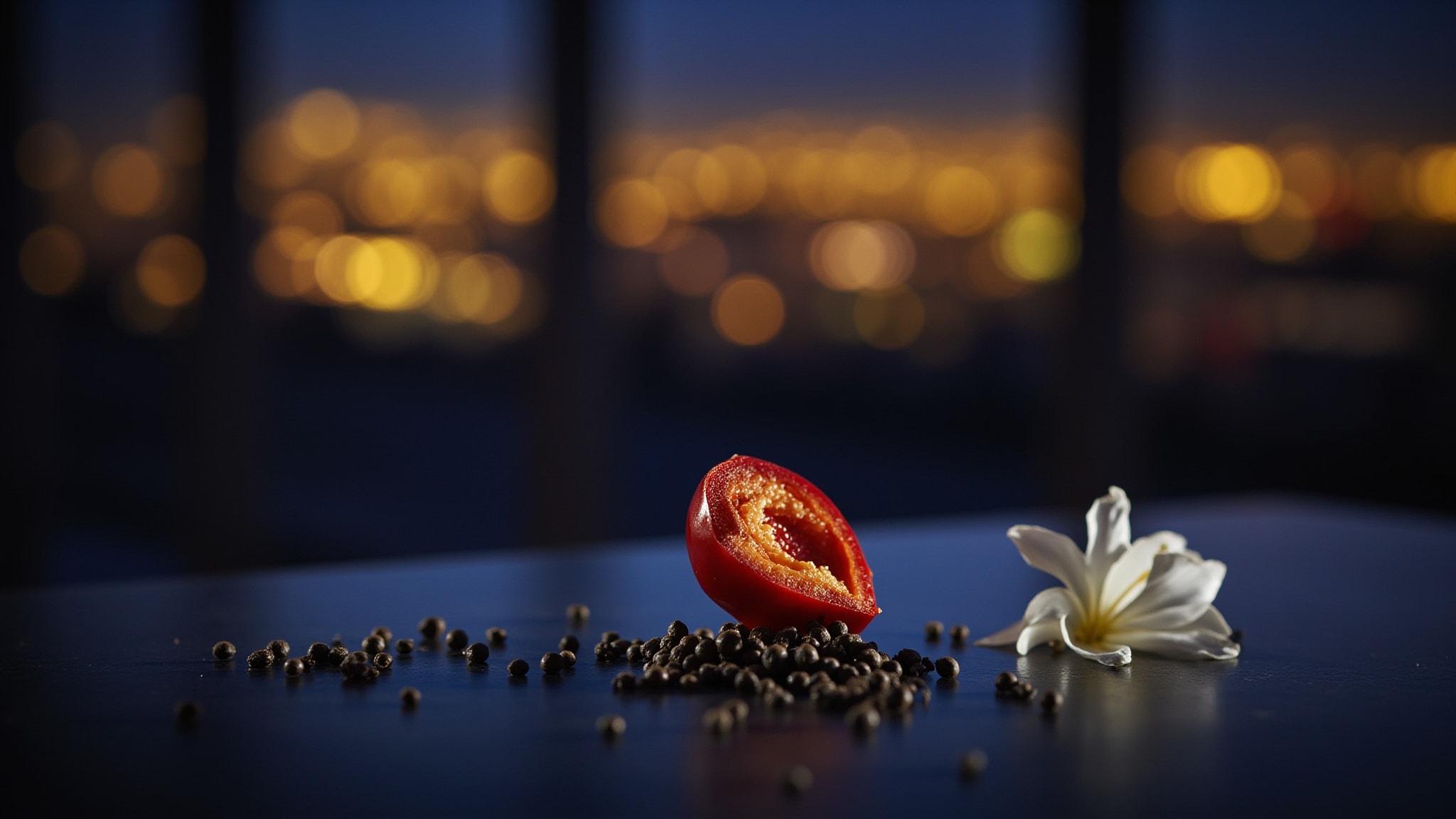
Fleur de Nuit means flower of the night, and that framing shapes everything about how this fragrance was built. The name itself signals something nocturnal, something that prefers the dark hours. The notes structure here mirrors that logic. Chili and nutmeg arrive with intent rather than apology, bringing a green, almost searing quality that announces the fragrance rather than whispering it. The bergamot and mandarin soften the edge slightly, but only slightly. The florals, jasmine, tuberose, rose, bloom in sequence rather than all at once, each arriving with its own character. Jasmine brings indolic creaminess, tuberose offers waxy lushness with a faint animal edge, while rose provides warmth and a soft powdery counterpoint to the spice. Star anise keeps the florals from becoming cloying.
The combination of chili, star anise, and Tonkin musk is uncommon in oriental florals, most compositions in this genre lean into the honey and vanilla warmth without the spiky, almost savory counterpoint. Here, the chili doesn't vanish into the drydown; it leaves a trace. Star anise provides an aromatic coolness that makes the tuberose and jasmine feel less stifling and more alive. The inclusion of oud alongside white honey and benzoin creates a base that is simultaneously sweet, resinous, and slightly animalic, the grey amber referred to in the official description acts as the binding element, setting those delicate florals onto the skin and keeping them present for hours.
The evolution
Fleur de Nuit announces itself. The chili and nutmeg hit within the first spray, that green, almost searing quality softened only slightly by the bergamot and mandarin. Not a gentle hello. A statement. As the fragrance develops, the florals begin their bloom in sequence. Jasmine arrives with its characteristic indolic creaminess, joined by tuberose, waxy and lush, with a faint animal edge that the star anise keeps from becoming cloying. Carnation and rose add complexity: the former bringing warmth, the latter a soft, powdery counterpoint to the spice. This middle phase is where the fragrance earns its name. The drydown is where the oud shows its teeth. This is not polite oud, it is medicinal, slightly barnyard, and deliberately present. Paired with patchouli and Tonkin musk, it gives the honey and benzoin something to push against rather than blend into.
Cultural impact
Fleur de Nuit is an oriental floral with oud at its center, a combination that places it in bold territory. The chili-spiced opening and the oud that refuses to be decorative set it apart from more conventional interpretations of either genre. It is the kind of fragrance that demands attention, one that you notice when it enters a room and that lingers in memory after you have left. The honey and animalic warmth serve as structural elements rather than afterthoughts, giving the fragrance a sense of weight and presence that feels deliberate.