The Story
Why it exists.
The beginning
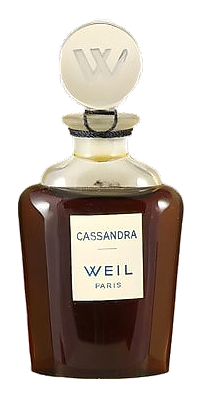
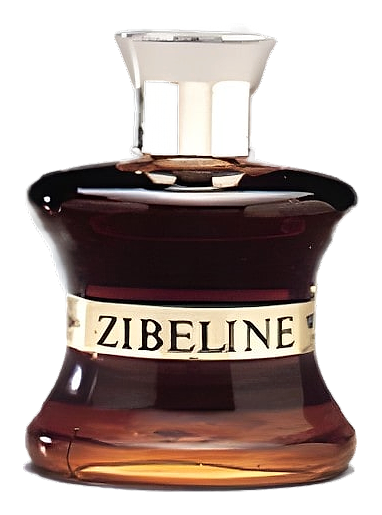
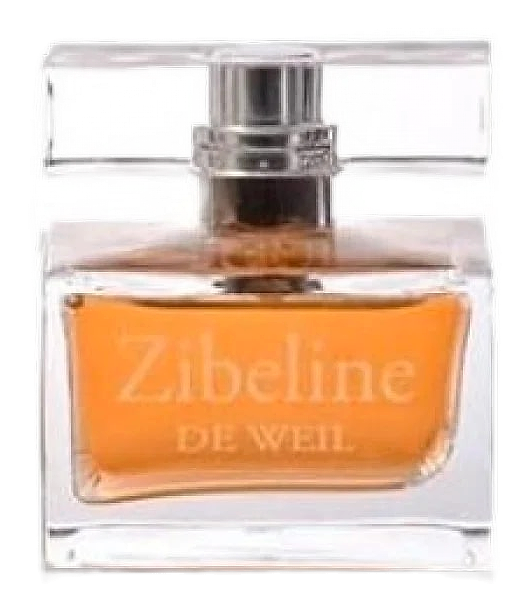
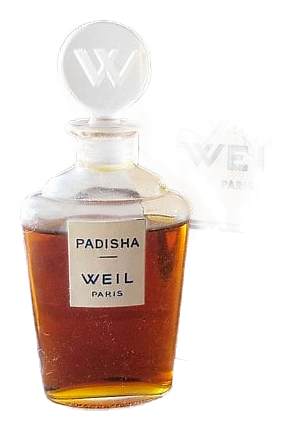
Padisha arrived in 1922 from a Parisian house still figuring out its second act. Weil had opened as a furrier in the nineteenth century, working with mink and sable coats on Parisian streets. By the mid-1920s the company had pivoted toward fragrance, convinced that scent could do what touch had been doing for them: convey intimacy, luxury, a second skin. Their first perfume, Zibeline, borrowed the tactile language of fur to powdery effect. Padisha followed, tilting toward something warmer, spicier, more oriental, a composition built on neroli and lavender up top, patchouli and amber underneath, with carnation threading the two halves together. The name carries weight.
What makes Padisha structurally interesting is how it balances two languages at once. The top reads like a classic French eau de toilette, neroli and bergamot opening with that bright almost bitter snap. But then it pivots into carnation and orange blossom, a heart that leans heavier, more opulent. The base is where it commits. Patchouli, amber, vanilla, and sandalwood lay down a warm oriental foundation that modern perfumery often skips in favor of cleaner musks. Weil went there. The result is a 1922 composition that feels less dated than its launch year suggests, because the skeleton underneath is solid. Spicy, leathery, faintly animalic.
The evolution
The first ten minutes belong to citrus and neroli, sharp enough to register across a room. Then the lavender arrives, not the soapy kind but something drier, more herbal, and it bridges into carnation's clove-spiced warmth. Around the thirty-minute mark the composition shifts registers. The opening brightness recedes and the patchouli takes over, bringing an earthiness that feels less floral and more grounded. By the second hour the amber and vanilla settle into their final arrangement, warm and slightly sweet, with sandalwood underneath adding a creamy woodiness that stays close to skin. The drydown is where Padisha earns its reputation: a quiet, persistent warmth that lasts through the afternoon and reappears on clothes the next day as a faded powdery sweetness.
Cultural impact
Padisha belongs to a small category of early-20th-century orientals that have mostly disappeared from the market, compositions built on patchouli and amber at a time when most French houses were still playing in the floral cologne register. Its name, from the Persian royal title, signals the kind of quiet luxury the Weil house was built around. Wearers who encounter it tend to describe the same impression: warmth with structure, something that feels made rather than assembled. It sits comfortably alongside peers like Guerlain Shalimar and Dior Dune in the spicy-oriental conversation, though it's denser and more old-fashioned than either.