The Story
Why it exists.
The beginning
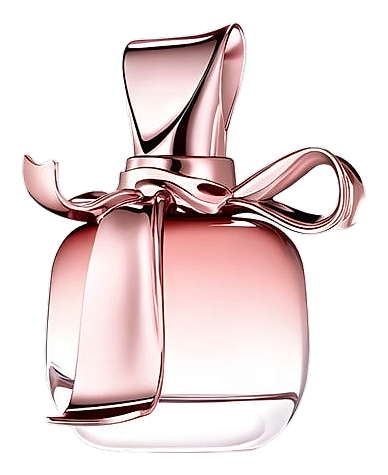
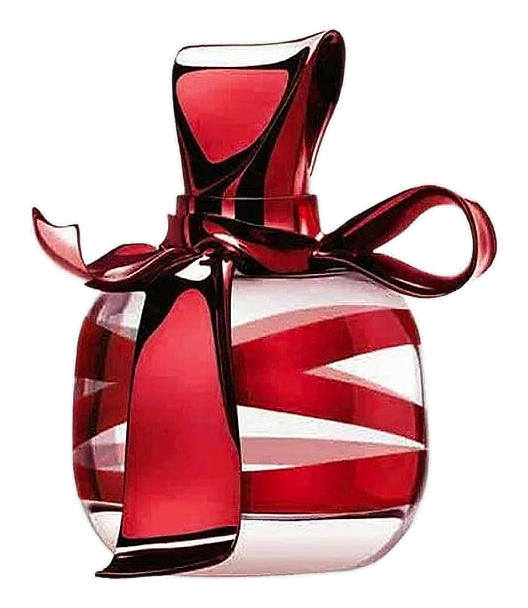
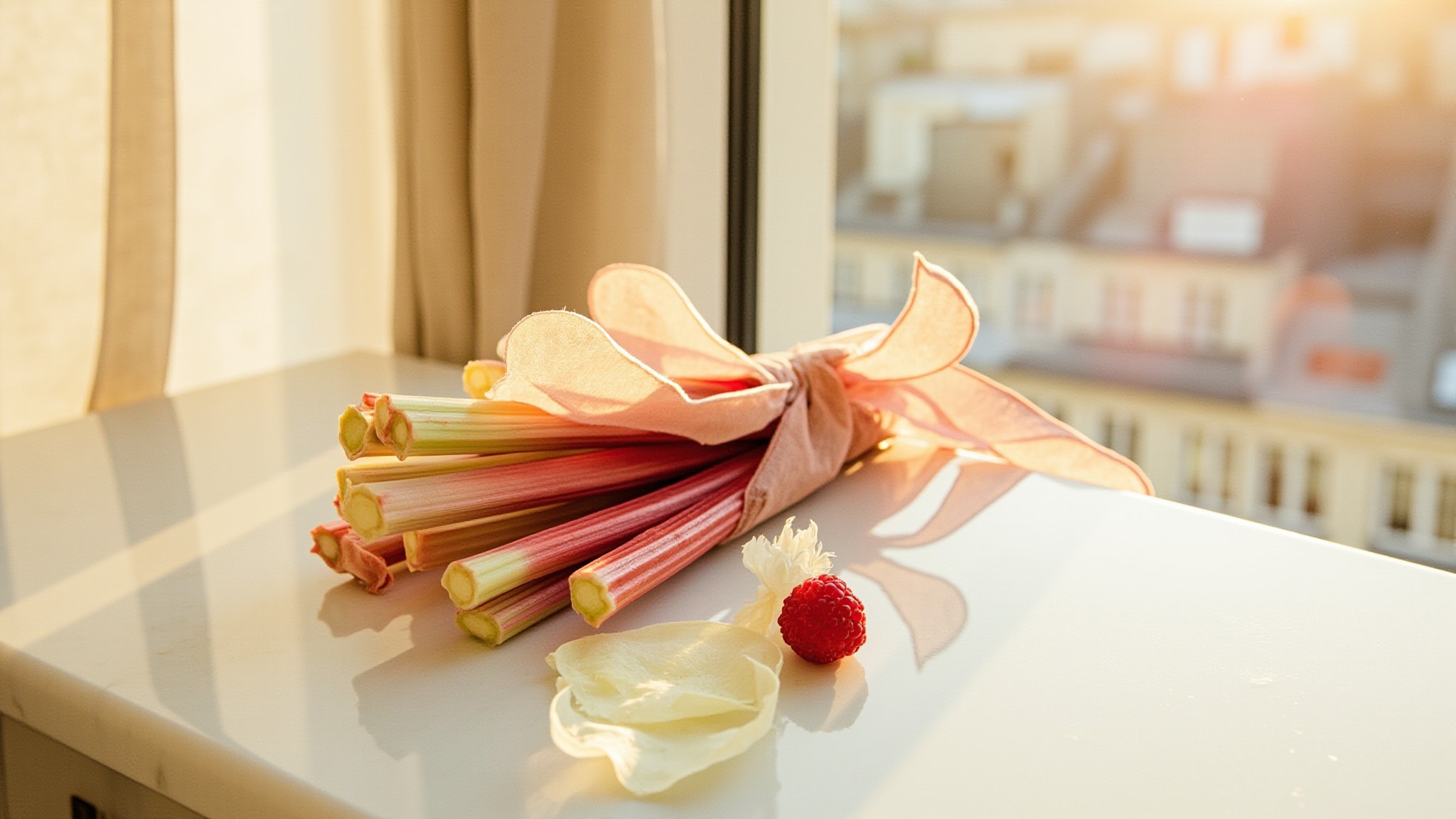
Ricci Ricci Dancing Ribbon arrived in 2011, composed by Aurélien Guichard and Jacques Huclier together. The name does a lot of the descriptive work before you even spray it. Ribbon. Dancing. You get the visual. Not something stiff or rooted to a vanity surface. Something that catches air. The fruit-and-spice opening reads as a deliberate collision with the creamy florals underneath. Raspberry and rhubarb cut sharp against indolic white petals. Ginger threads through the fruit with a sharp, almost peppery heat, the kind that makes your nostrils flare on first contact. Then the whole composition swings into a tuberose-heavy heart where the indolic character pushes toward something denser and more physical.
The construction rewards attention because it stages opposing forces against one another from the first spray. Raspberry and rhubarb bring a sharp, almost candied acidity to the opening, the kind that reads as sugared rather than fresh. Ginger threads through them like a dare, a little heat that makes the fruit feel spiced rather than simply sweet. The floral heart arrives without much softness. Rosa centifolia lends a jammy, honeyed rose quality. Tuberose arrives next, fleshy and heavy, with that indolic edge that makes white florals feel physical rather than decorative.
The evolution
The first spray is a sharp little slap. Rhubarb and raspberry hit bright and almost confectionery, with ginger cutting through them like a match struck in a dark room. It smells like something you'd find at a confection counter, except the ginger makes it less innocent than that. Fifteen minutes in, the fruit surrenders its lead. Rosa centifolia steps up first, dewy and pink, then tuberose arrives with its creamy weight. Angel's trumpet leans the heart somewhere between honeyed and hazy, almost narcotic. There's a synthetic edge running underneath it, the smokiness that gives the fragrance its spine. By the two-hour mark, patchouli has settled in and sandalwood rounds everything out. The fruit is gone by then, replaced by a warm, slightly dirty floral that hugs the skin. The drydown is the longest stretch, lasting well into the evening, and it's where the patchouli's earthiness finally balances the earlier brightness. On fabric the next morning, it reads as a soft, smoky amber warmth.
Cultural impact
Ricci Ricci Dancing Ribbon occupies its own corner of the Nina Ricci catalog, and comparing it to L'Air du Temps makes the contrast immediately obvious. L'Air du Temps is the house's most iconic composition, built around a classical floral structure with carnation, rose, and jasmine arranged in a delicately powdered bouquet topped with a spiced warmth. Dancing Ribbon operates in a completely different key. The fruit opening, the sweetness, the smokiness, the absence of the powdery softness that defines L'Air du Temps, all of it signals a different creative brief.