The Story
Why it exists.
The beginning
Gucci was established in Florence in 1921, building its early reputation on travel accessories and leather goods that carried the House's distinctive identity. The brand expanded into perfumery in 1974, marking an evolution from tangible craftsmanship to sensory storytelling. Frida Giannini, as Creative Director, oversaw Flora by Gucci Eau de Parfum in 2010, a fragrance that honored the house's iconic Flora pattern originally designed for Grace, Princess of Monaco. Giannini translated the scarf's botanical motif into olfactory form, selecting peony and citrus for the opening to capture the pattern's cheerful immediacy, osmanthus and rose for the heart to echo its romantic floral illustrations, and sandalwood with patchouli for the base to provide lasting depth.
The note selection for Flora reflects a deliberate philosophy: each ingredient serves a structural purpose within the fragrance's arc. Peony and citrus open the composition with accessibility and brightness, ensuring an inviting introduction. Osmanthus bridges the gap between the fresh opening and the warmer base, contributing unique apricot-like facets rarely found in mainstream florals. Rose provides classic floral resonance that grounds the composition in familiar territory. The final pairing of sandalwood and patchouli represents a commitment to longevity and depth, ensuring the fragrance does not simply evaporate but settles into a lasting presence.
The evolution
The opening notes of peony and citrus create an immediate impression of freshness and vitality, like stepping into a sunlit garden. The citrus provides an effervescent quality that prevents the peony from feeling heavy, instead highlighting the flower's delicate, rounded petals. As time progresses, the osmanthus emerges with its distinctive apricot and tea-like character, blending seamlessly with the classic romance of rose. This heart phase represents the fragrance's emotional core, offering warmth and femininity without saccharine excess. The transition to sandalwood and patchouli marks a subtle shift toward intimacy. Sandalwood wraps the fading florals in creamy warmth, while patchouli adds an earthy, grounding quality that extends the fragrance's presence on skin for hours. This evolution from bright opening to intimate drydown mirrors the journey of a flower itself, from fresh bloom to soft lingering scent.
Cultural impact
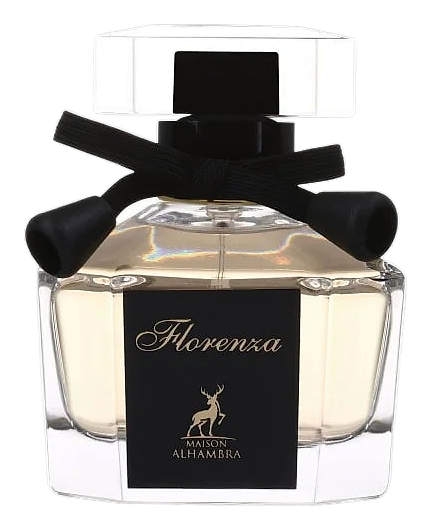
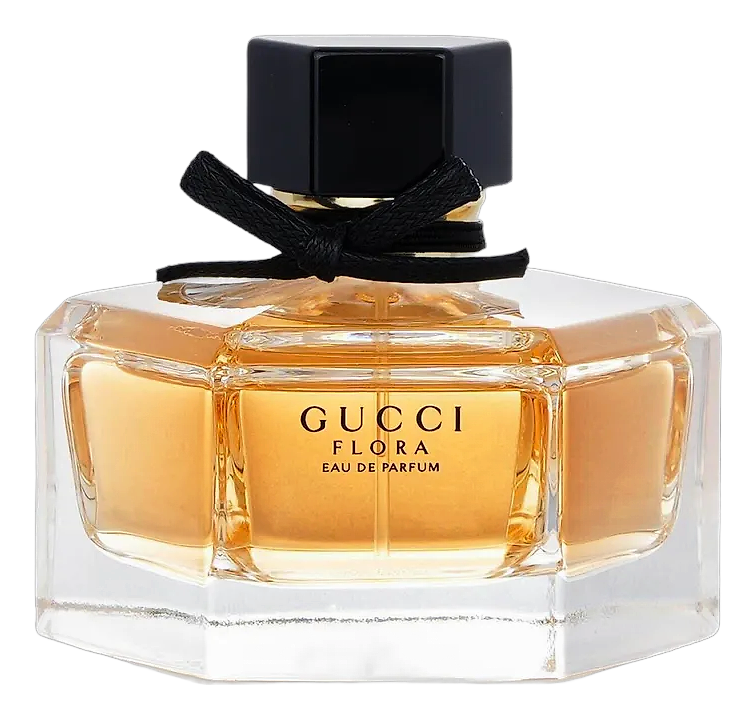
Flora arrived in 2010 as part of Gucci's broader Flora collection, which translated the House's signature floral print into fragrance form. The Eau de Parfum followed the Eau de Toilette as a richer, more intense interpretation, maintaining the same elegant flacon presentation with black ribbon and gold detailing that gave it visual distinction. The fragrance distinguished itself through its osmanthus-rose combination, a pairing that offered something distinct from typical floral releases of the period. The fruity warmth of osmanthus complemented rose's classic depth, creating a heart that felt both contemporary and timeless.