The Story
Why it exists.
The beginning
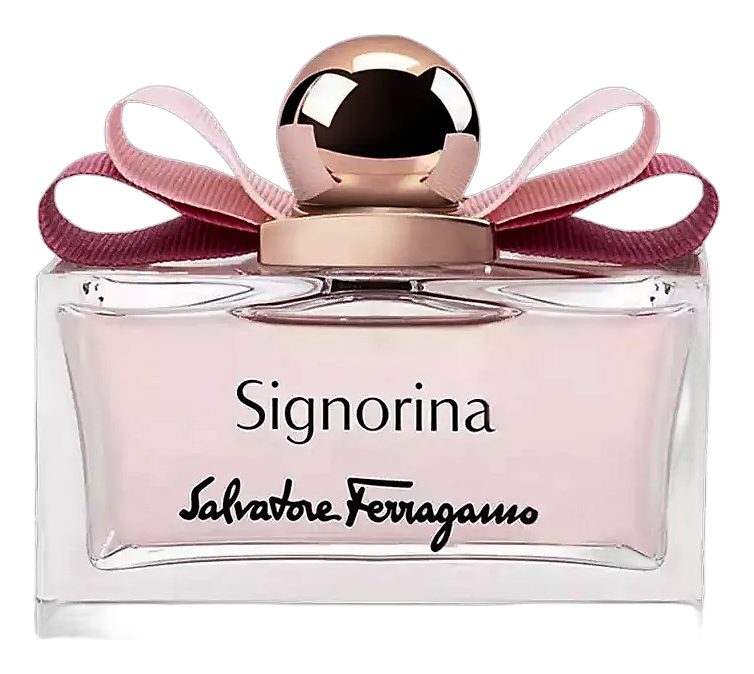
Signorina arrived from perfumers Sophie Labbé and Juliette Karagueuzoglou. The name is Italian, literally "young woman", and the brief was clear: feminine, stylish, subtly cheeky. Ferragamo has long attracted women who appreciate refined elegance, and Signorina translated that legacy into a bottle for those who value quiet confidence. The panna cotta note was the unexpected move, an Italian dessert accord that made the florals feel warmer, more intimate, less like a Valentine's Day card and more like a conversation worth having. The blend creates an experience that feels both modern and rooted in Italian tradition, inviting the wearer into something that feels personal rather than performed.
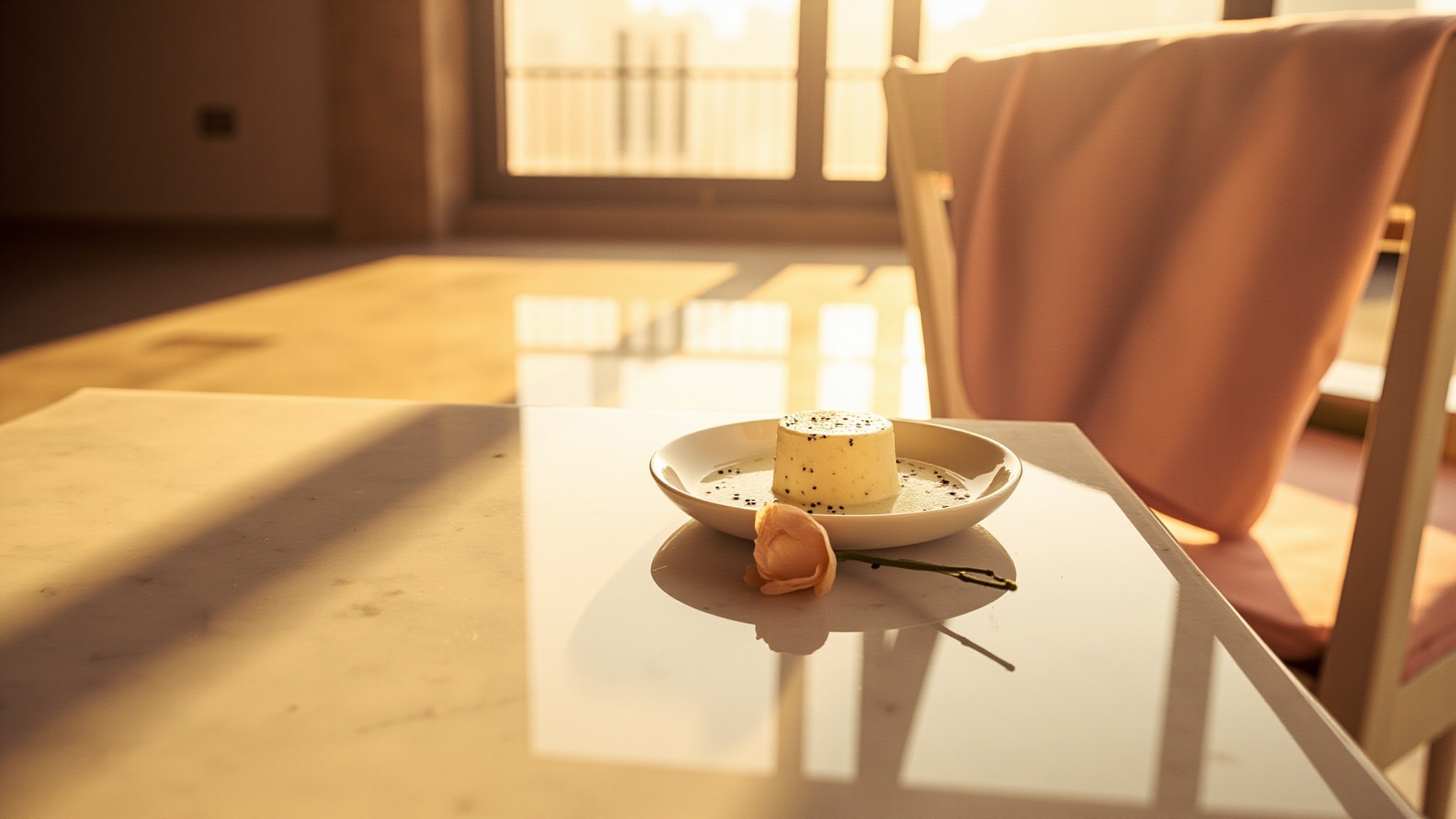
The panna cotta base is what makes Signorina worth talking about. Perfumers rarely use edible accords as anchors in a floral composition, the risk is looking like dessert and losing the sophistication. Here, Labbé and Karagueuzoglou worked with cream and patchouli, which keeps everything grounded instead of floating off into sugar. The pink pepper opening serves a purpose too: it gives the blackcurrant something to bounce against, creating a fizzy brightness that reads as confident rather than sweet.
The evolution
The opening features pink pepper fizz, then blackcurrant that arrives tart and almost fizzy. The florals take over next, rose and peony arrive together, with jasmine adding a slight warmth underneath. This middle phase is where Signorina earns its reputation as feminine without being precious. The panna cotta base arrives: cream and the patchouli holding it all to skin. The drydown lingers on fabric the next morning, a faint musk-and-cream trace that smells less like perfume and more like skin. Throughout wear, the fragrance projects with moderate sillage, creating a presence that remains close to the body while still announcing itself to those nearby.
Cultural impact
Signorina found its audience in women who wanted femininity without formality. The panna cotta note gave it something to talk about, a point of differentiation that made reviewers reach for descriptions beyond "nice rose." The fragrance occupies a space that feels both accessible and distinctive, appealing to those who appreciate complexity without wanting to announce their perfume choices. It remains in production, which speaks to its staying power and the genuine appeal of its composition rather than heavy marketing support.