The Story
Why it exists.
The beginning
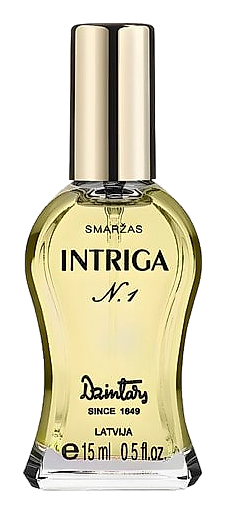
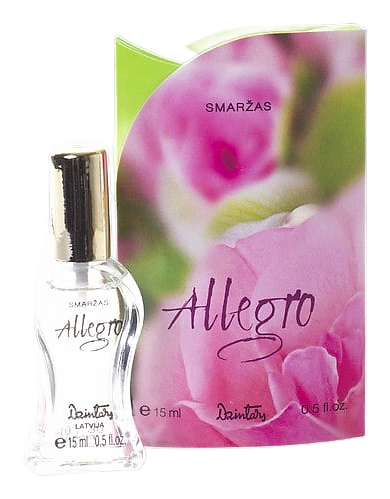
The name says everything. Allegro, musical Italian for quick, lively, bright. 2011 was a moment when accessible luxury was shifting across Eastern European markets, and Dzintars had nearly ninety years of formulation experience behind them by then. The house had survived Soviet nationalisation, preserved its craft through four decades of state control, and emerged into independence with its knowledge intact. Allegro was designed to move. A floral-fresh composition that felt immediate rather than layered, wearable rather than demanding. The perfumer wasn't building something to study, they were building something to live in.
What makes Allegro interesting is its refusal to complicate things unnecessarily. Where many houses of this era were adding layers and nuance to justify price points, this composition keeps its structure clean. Peony at the top isn't a subtle supporting actor here, it's the lead. The fruity notes (raspberry, peach) provide context without overwhelming. The heart of rose, violet, and iris is classical without being fusty. It's a composition that trusts its materials and trusts the wearer to meet it halfway.
The evolution
The opening hits bright, peony and raspberry arrive together, the peach lending sweetness without tipping into confectionery. You get thirty minutes of this before the heart starts to build weight. Rose and violet take over gradually, the iris adding a powdery warmth that rounds everything. The transition isn't dramatic, more like a hand-off between friends. By the third hour, osmanthus arrives in the base, bringing that strange apricot-tea quality that sets Allegro apart from a dozen similar roses. Pink pepper stays quiet throughout, just a whisper of warmth. The drydown is amber and skin, intimate and close. Moderate sillage means this is a fragrance that rewards proximity.
Cultural impact
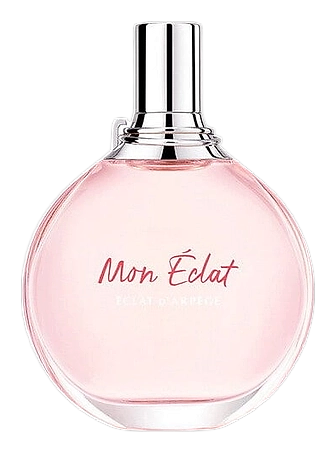
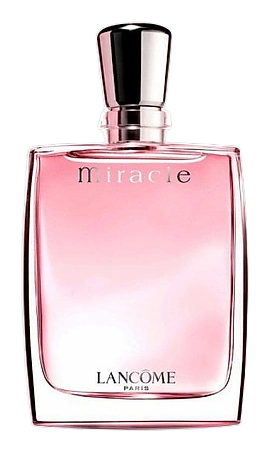
Among Dzintars releases, Allegro occupies a specific position: it's one of the house's more commercially accessible compositions, designed to perform across seasons and occasions without demanding anything from the wearer. The floral-fresh profile places it in conversation with established Western fragrances like Lanvin Eclat d'Arpège or Lancôme Miracle, though Allegro's osmanthus heart sets it apart. Collectors of Eastern European perfumery often cite it as a benchmark for what the region does well: confident floral work without the premium positioning. The production appears discontinued, which has made the small bottles collector items among enthusiasts of vintage Baltic fragrance.