

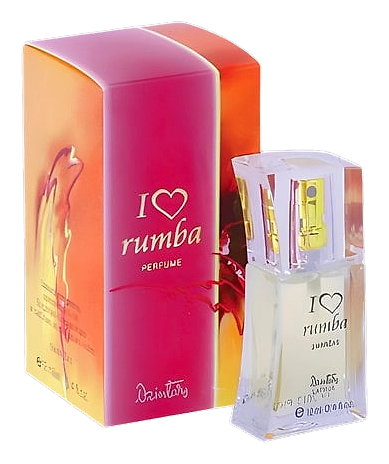
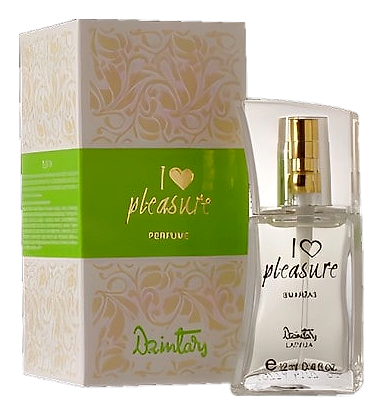
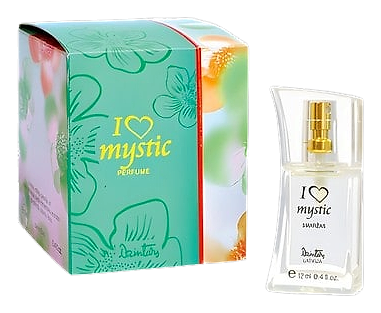
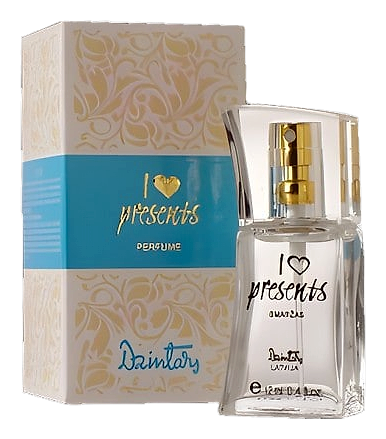
    Brand Profile

    Dzintars is a Latvian perfume house that has been creating fragrances for nearly a century. Founded in Riga in the early 1920s, the brand su…More

    Latvia·Est. 1924·Site

    2

    Fragrances

    4.4

    Rating

    50
    ART Modo Yellow (Dzeltenais) by Dzintars
    Best Seller
    5.0

    ART Modo Yellow (Dzeltenais)

    Briga (1982) by Dzintars
    Best Seller
    5.0

    Briga (1982)

    Mana dzimtene (Моя Родина) by Dzintars
    Best Seller
    5.0

    Mana dzimtene (Моя Родина)

    Rigonda by Dzintars
    4.9

    Rigonda

    Solo by Dzintars
    4.8

    Solo

    Dan by Dzintars
    4.8

    Dan

    Līnija vīriešiem (Линия для мужчин) by Dzintars
    4.8

    Līnija vīriešiem (Линия для мужчин)

    Borneo by Dzintars
    4.8

    Borneo

    Dons Žuans (Дон Жуан) by Dzintars
    4.8

    Dons Žuans (Дон Жуан)

    Korts (Корт) by Dzintars
    4.8

    Korts (Корт)

    Kameja (Камея) by Dzintars
    4.8

    Kameja (Камея)

    Būrve (Колдунья) by Dzintars
    4.8

    Būrve (Колдунья)

    1 of 5

    The Heritage

    The Story of Dzintars

    Dzintars is a Latvian perfume house that has been creating fragrances for nearly a century. Founded in Riga in the early 1920s, the brand survived the upheavals of World War II, Soviet nationalisation and the re‑establishment of Latvia’s independence. Its catalogue includes more than two hundred scents, ranging from classic fougère blends to aromatic compositions that echo the Baltic landscape. Dzintars remains a familiar name in Eastern Europe, where many of its vintage releases are still recognised by collectors.

    Heritage

    The story of Dzintars begins in 1924, when a small workshop opened in Riga under the name "Dzintars" – the Latvian word for amber. Early production focused on simple eau de colognes for local consumers, but the brand quickly expanded its range to include more complex perfume oils. In 1946 the factory was nationalised and incorporated into the Soviet state‑run cosmetics complex, a status it retained for the next four decades. During the Soviet era Dzintars became one of the few sources of scented products for citizens across the Union, and its fragrances such as Mana dzimtene (1965) and Briga (1982) achieved wide distribution. The 1960s and 1970s saw a steady output of new releases, many of which were marketed under Russian‑language names to reach a broader audience. After Latvia regained independence in 1991 the company was privatised and began a gradual modernisation of its facilities while keeping many of the original formulas. The 2000s brought a renewed interest from collectors who sought out vintage Dzintars bottles, prompting the house to re‑issue several classic scents and to launch limited editions that reference its Soviet‑era heritage. Today Dzintars operates from its historic Riga plant, preserving a lineage that spans almost a hundred years of Latvian and Soviet perfume history.

    Craftsmanship

    Production at Dzintars still takes place in Riga, where the original laboratory and blending rooms have been updated with modern equipment while retaining traditional practices. Raw materials are sourced from a mix of local and international suppliers; for example, Baltic amber extracts and Latvian pine essential oil are combined with imported citrus absolutes and synthetic aromachemicals that meet EU safety standards. The house follows a batch‑production model, allowing perfumers to adjust proportions on a small scale before scaling up to larger volumes. Quality control includes organoleptic testing by senior perfumers and stability assessments that ensure each fragrance retains its character for at least three years. Packaging is assembled on site, with glass bottles filled by hand in a clean‑room environment to minimise contamination. The company’s archives contain detailed formula sheets dating back to the 1950s, which are consulted when re‑creating historic scents. This blend of archival knowledge and contemporary lab techniques enables Dzintars to deliver fragrances that are both faithful to their original character and compliant with current regulatory requirements.

    Design Language

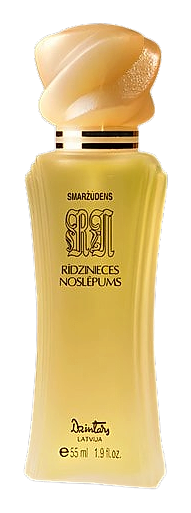
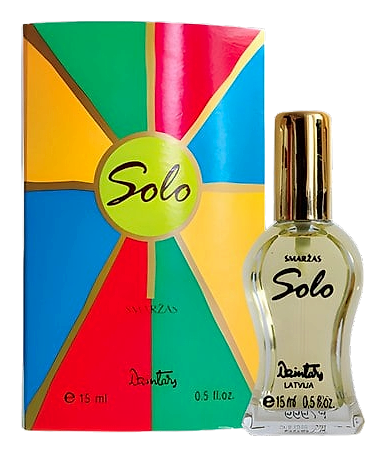
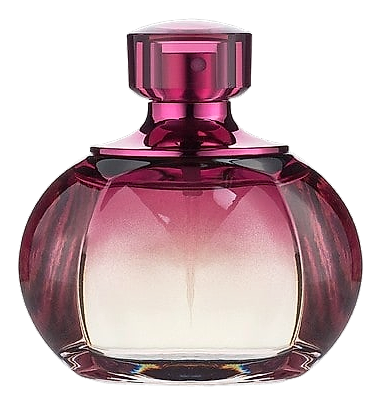
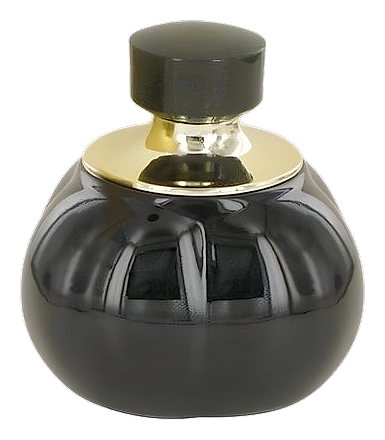
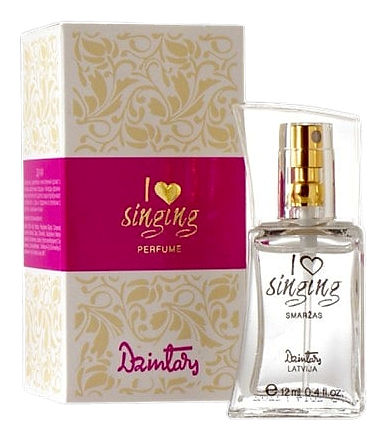
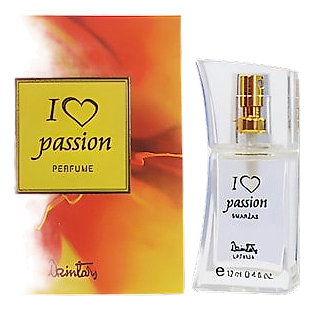
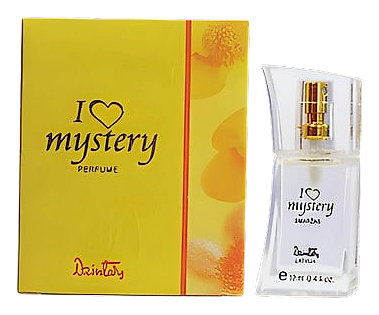
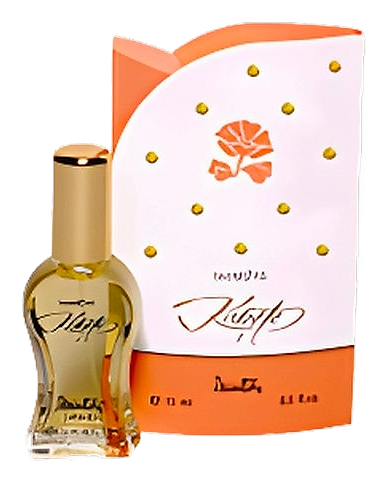
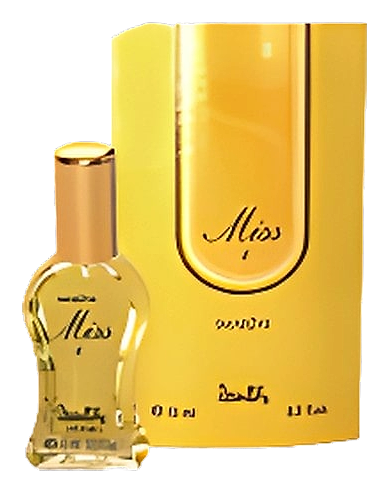
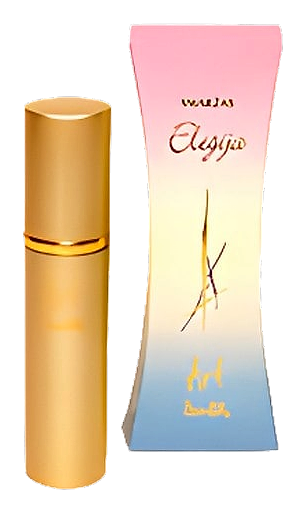
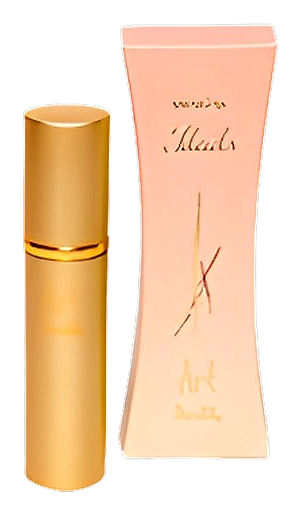
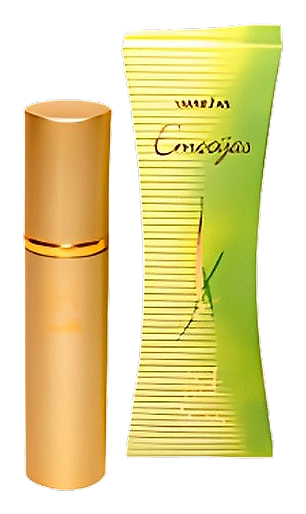
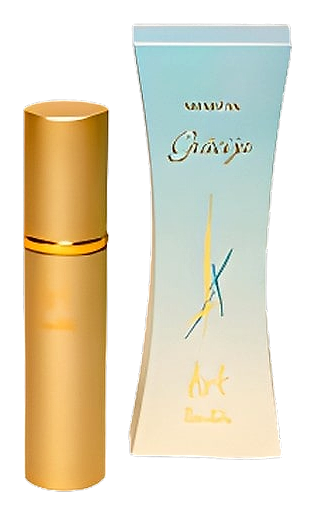
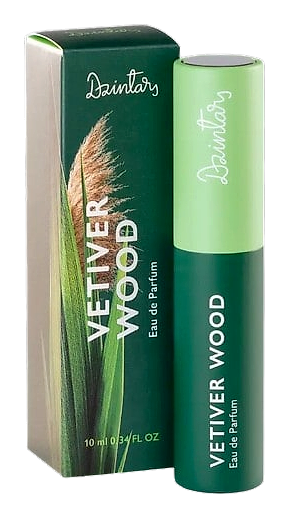
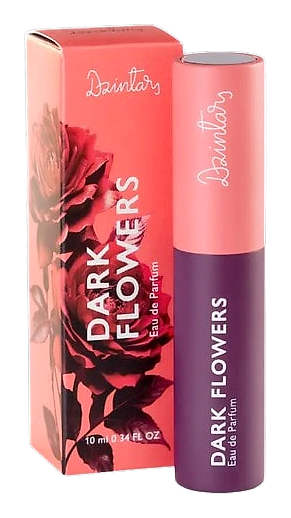
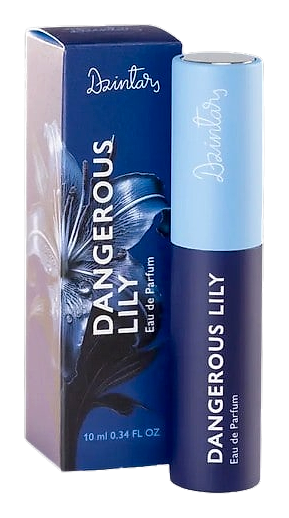
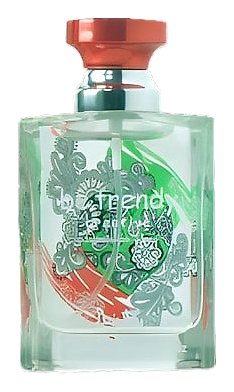
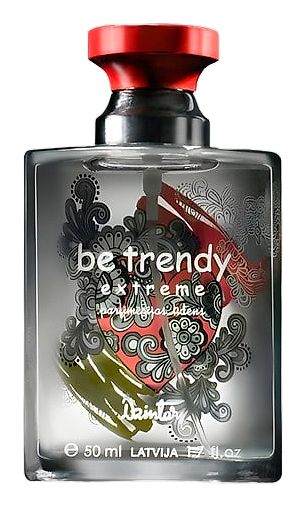
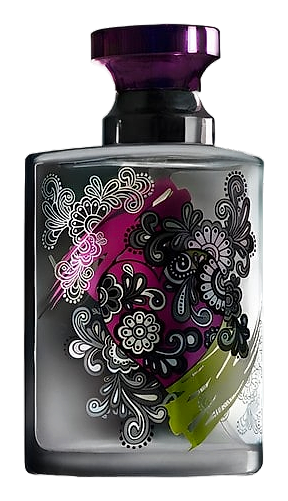
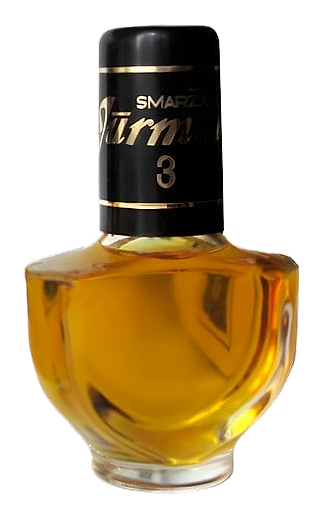
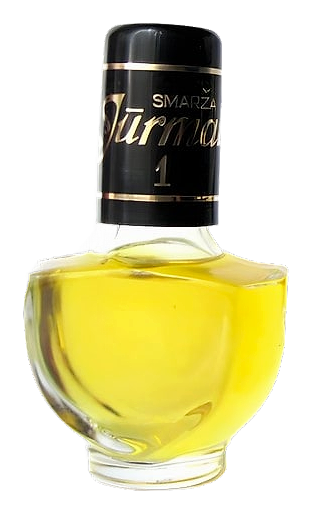
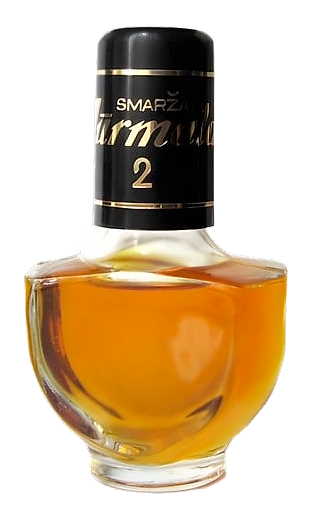
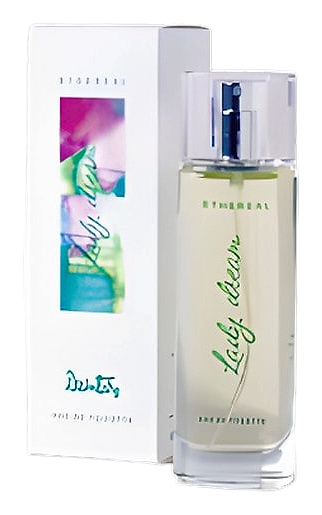
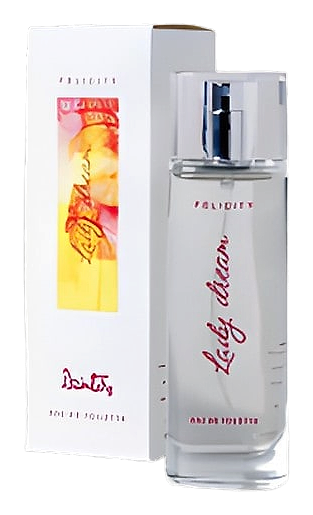
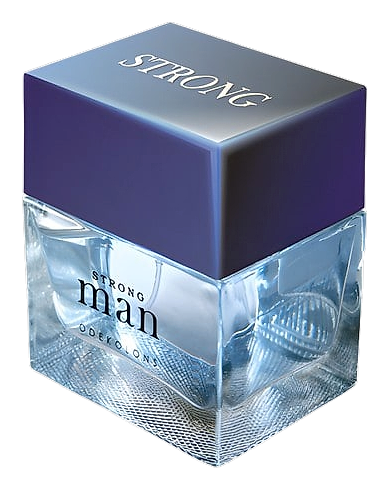
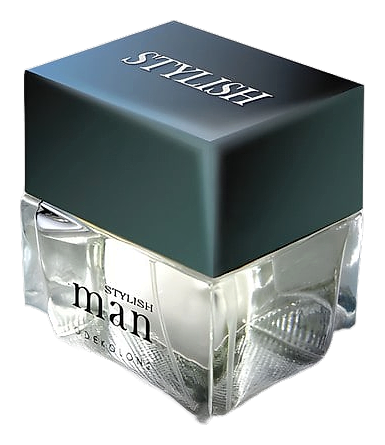
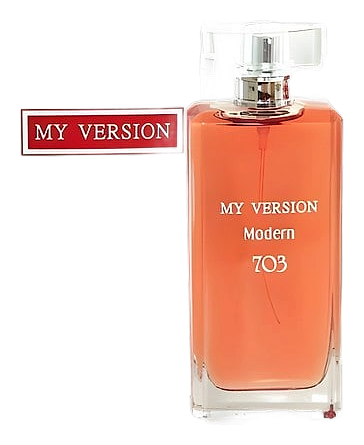
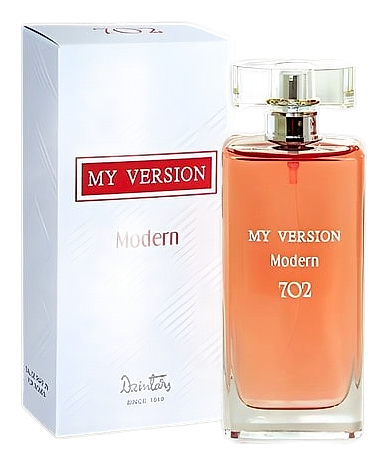
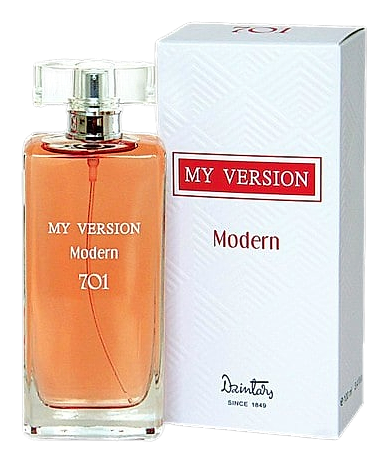
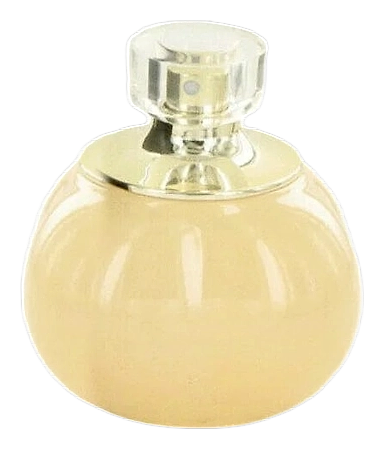
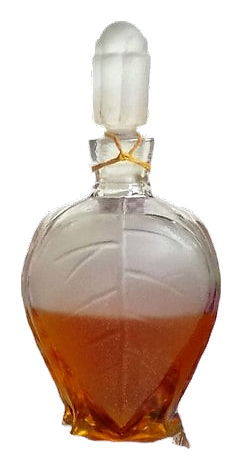
    The visual language of Dzintars is understated, reflecting the brand’s long‑standing focus on function over flash. Bottles typically feature simple, rounded silhouettes made of clear or amber‑tinted glass, allowing the colour of the liquid to become the primary visual cue. Labels are printed in a clean serif typeface, often in black or dark green, with the brand name rendered in Latvian Cyrillic or Latin script depending on the market. The logo – a stylised amber droplet – appears on the cap or neck of the bottle, reinforcing the connection to the name’s meaning. Advertising from the Soviet period used modest photographic layouts, showing the perfume alongside everyday objects such as a newspaper or a tea set, while recent re‑issues adopt a retro‑modern aesthetic that references those historic images without resorting to overt nostalgia. Overall, the design language conveys reliability and a quiet confidence that aligns with the house’s heritage‑focused philosophy.

    Philosophy

    Dzintars positions its creative vision around continuity and regional identity. The house emphasises the use of familiar Baltic motifs – amber, pine, and sea‑spray – as olfactory anchors that connect each scent to the Latvian landscape. Rather than chasing fleeting trends, the brand maintains a core portfolio of classic structures, especially fougère and aromatic chypre types that were popular in the mid‑twentieth century. In interviews with former perfumers, the company has highlighted a commitment to accessibility: fragrances are formulated to be affordable without sacrificing the balance of top, heart and base notes. Dzintars also stresses the importance of preserving archival formulas, treating them as cultural artifacts that document the evolution of Soviet‑era consumer taste. This respect for heritage guides decisions about which vintage scents to revive and how to adapt them for contemporary markets, ensuring that each release reflects both historical authenticity and present‑day wearability.

    Key Milestones

    1924

    Dzintars perfume workshop founded in Riga, Latvia.

    1946

    Factory nationalised and incorporated into the Soviet state cosmetics complex.

    1965

    Release of Mana dzimtene, one of the brand's early signature scents.

    1982

    Briga launched, becoming a popular fougère fragrance across the USSR.

    1991

    Latvia regains independence; Dzintars is privatised and begins modernisation.

    2005

    Company begins re‑issuing vintage fragrances for collectors.

    At a Glance

    Brand profile snapshot

    Origin

    Latvia

    Founded

    1924

    Heritage

    102

    Years active

    Collection

    2

    Fragrances released

    Avg Rating

    4.4

    Community sentiment

    Release Rhythm

    2019
    1
    2013
    1
    2004
    1
    1994
    1
    1992
    2
    1991
    1
    1988
    1
    1987
    3
    dzintars.lv

    Did You Know?

    Interesting Facts

    Distinctive details and defining moments that shape the house personality.

    01

    The name "Dzintars" translates to "amber", a material historically associated with the Baltic coast.

    02

    During the Soviet era Dzintars was one of only a handful of domestic perfume producers, supplying scents to the entire USSR.

    03

    The brand’s archive holds formulas for more than 200 distinct fragrances, many of which have never been re‑released.

    04

    Dzintars continues to use a small proportion of natural Baltic amber extract in several of its modern compositions.