The Story
Why it exists.
The beginning
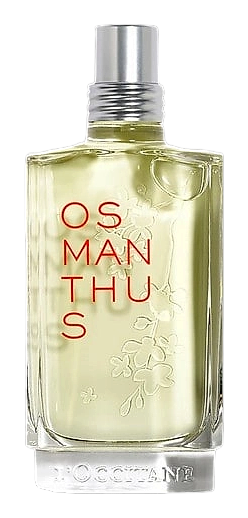
Osmanthus arrived in 2021, created by Marypierre Julien and Michel Girard. The brief was simple: capture the osmanthus flower in its truest form, with enough apricot brightness to make it feel alive, not preserved. Julien and Girard chose Chinese osmanthus absolute as the centerpiece, a material known for its apricot-peach warmth and a suede-like softness that separates authentic osmanthus from synthetic approximations. The apricot note wasn't decorative. It was structural. A way of framing the flower so the wearer arrives at osmanthus through fruit, not the other way around.
Chinese osmanthus absolute is one of perfumery's more demanding materials. The apricot-peach character is there, yes, but so is a suede-like depth that gives it more weight than a typical floral. Carrot seed oil brings an earthy, almost root-vegetal quality that grounds the sweetness before it floats away. Mahonial, a magnolia-sunlit accord, keeps the heart lifted. The combination of apricot, osmanthus, and cedarwood creates something cohesive rather than compartmentalized. The fruit and floral don't fight for attention. They arrive together and leave together, with the woody base holding the whole thing steady rather than dominating it.
The evolution
The opening hits bright: apricot and pear with a bitter orange twist that keeps the sweetness from going flat. Thirty minutes in, the osmanthus arrives and the composition shifts from fruity to floral without a hard transition. The carrot seed is present but never earthy enough to pull the fragrance masculine. It's more like the smell of soil after rain in a garden that also has fruit trees. By hour two, the drydown takes over. Cedar and sandalwood arrive together, with the ambrettolide adding a clean, skin-like warmth that makes the whole thing feel close rather than projected. Moderate sillage. The fragrance performs best on skin for 4 to 6 hours, with a quiet residue on fabric that catches you by surprise the next morning.
Cultural impact
Osmanthus occupies a particular corner of the fruity-floral category. The apricot-osmanthus pairing gives it a character that reads as feminine without being sweet, distinctive without being difficult. It's the kind of fragrance that works as a daily wear for someone who wants more than a basic floral but doesn't want to announce themselves walking in. The osmanthus note itself has a small but devoted following among people who appreciate its apricot-peach warmth and suede depth. For that audience, this is a faithful interpretation. For everyone else, it's an introduction worth making.