
The Story
Why it exists.
The beginning
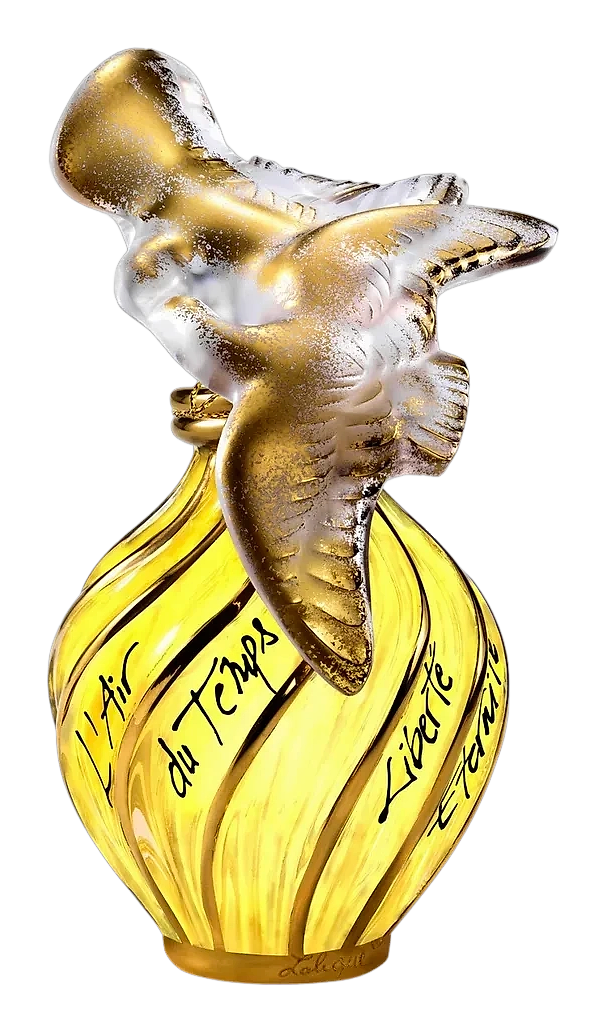
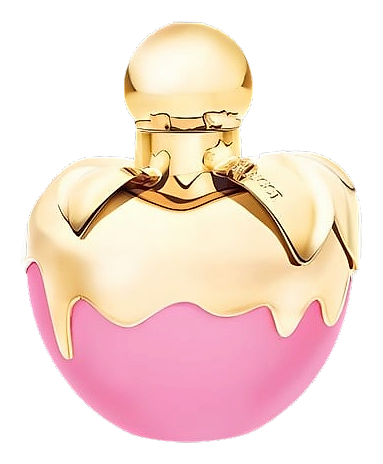
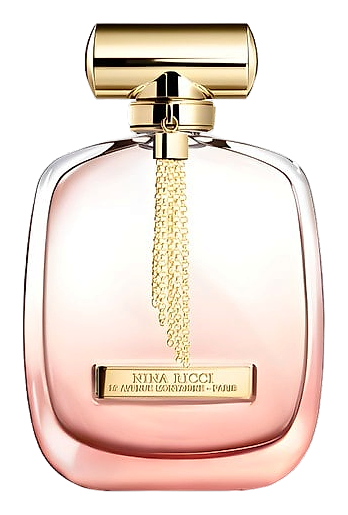
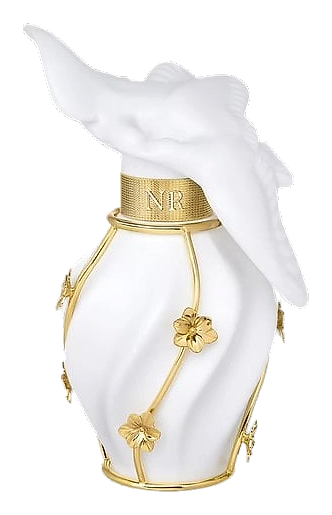
L'Air du Temps is the signature of Nina Ricci, a fragrance long associated with femininity and romance. Perfumer Sonia Constant was given the task of shaping a new limited edition around that heritage, one dressed by gilding artist Anne Brun. Brun's contribution covers the classic twin-dove bottle with delicate golden blooms, a piece of artistry that turns the flacon into something closer to jewelry than packaging. Constant's approach was respectful rather than revisionist. She didn't reinvent the DNA so much as lean into its warmer, sunnier possibilities. Coconut milk brings a creamy sweetness, tiaré adds its tropical softness, and the whole composition glows with a golden warmth that feels both indulgent and composed.
Constant works within a Nina Ricci lineage that prizes balance, the give and take between romantic florals and structural backbone. Her new edition doesn't compete with the original's legacy but answers it, pulling the composition into a warmer register without losing the elegance that defines the house. Coconut milk and tiaré form a recognizable pairing in modern perfumery, but Constant gives the accord unexpected depth by layering it over heliotrope and benzoin. The result has a powdery quality, something almost nostalgic in its finish, a softness that reads as deliberate rather than dated.
The evolution
Bergamot and pear arrive first, lifting the composition with a clean brightness that cuts through the coconut milk before the warmer notes settle. Tiaré follows, and its creamy, golden quality dominates the early heart. Heliotrope folds in beneath the tiaré, lending a soft, slightly sweet nuance that gives the cream a powdery, almond-adjacent lift. Tuberose surprises by staying quiet rather than lush, adding a fleshy, almost human depth that prevents the blend from reading as dessert. As the fragrance wears on, the coconut recedes and benzoin takes over, wrapping the composition in a warm, resinous glow. Sandalwood smooths the edges, lending a creamy woodiness that keeps everything soft and integrated. Vetiver appears in the base, dry and faintly earthy, catching you off guard in something this warm and creamy.
Cultural impact
The Anne Brun collaboration marks another chapter in Nina Ricci's ongoing dialogue with its most famous creation. The gilding artist's distinguished artistic touches transform the bottle into something collectible, appealing to those who appreciate flacons as crafted objects in their own right. The scent itself reads as a tropical-floral hybrid that bridges two worlds: the creamy indulgence of coconut and tiaré, and the powdery, almost nostalgic depth of heliotrope and benzoin. The animalic accord lends a warmth that keeps the composition feeling alive on skin, while the benzoin-vetiver base gives it enough structure to extend beyond summer.
The House
Nina RicciNina Ricci is a Parisian fashion house founded in 1932 by Italian-born designer Maria "Nina" Ricci and her son Robert Ricci. The house began as a couture salon on Rue Haussmann, quickly establishing a reputation for refined, feminine gowns with romantic sensibility. Robert established an in-house perfume division in 1941, though the first fragrance would not arrive until 1946. That inaugural scent, Coeur Joie, marked the beginning of a partnership with Lalique that would define the house's olfactory identity. The house introduced its most celebrated fragrance, L'Air du Temps, in 1948, a scent that remains in production decades later. Puig acquired Nina Ricci in 1998, bringing the house under the same ownership that manages Carolina Herrera and Jean Paul Gaultier. Today, the fragrance collection spans from timeless classics to contemporary offerings like the Nina line, maintaining the house's commitment to feminine elegance.
The Creator
Sonia ConstantConstant's style is often described as daring and complex. She's unafraid to use powerful ingredients and unexpected combinations, resulting in fragrances that are memorable and impactful.