The Story
Why it exists.
The beginning
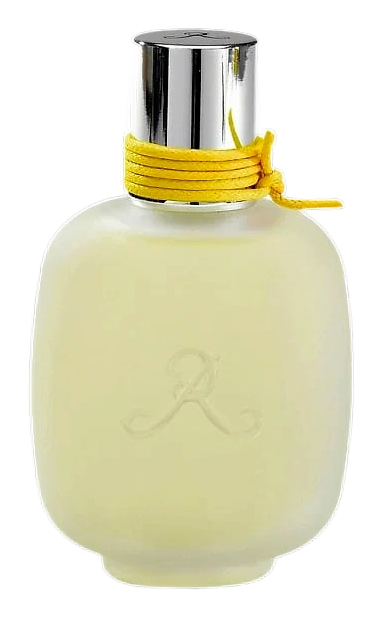
Rosissimo arrived in 2010 from Les Parfums de Rosine, the French house under Marie-Hélène Rogeon's creative direction. François Robert worked alongside Rogeon on the composition, which leans into a citrus-led structure. The perfume was created to echo the originality of many garden roses that emanate, surprisingly, a lemon fragrance, a quality most perfumers would smooth away. Rosissimo keeps it visible. Bitter orange, Italian lemon, and pink grapefruit stake their territory in the opening before the rose even has room to settle, letting the floral unfold in response rather than as the announcement. That inversion gives the composition its particular character: the citrus speaks first, the rose answers, and the two end up in conversation rather than hierarchy.
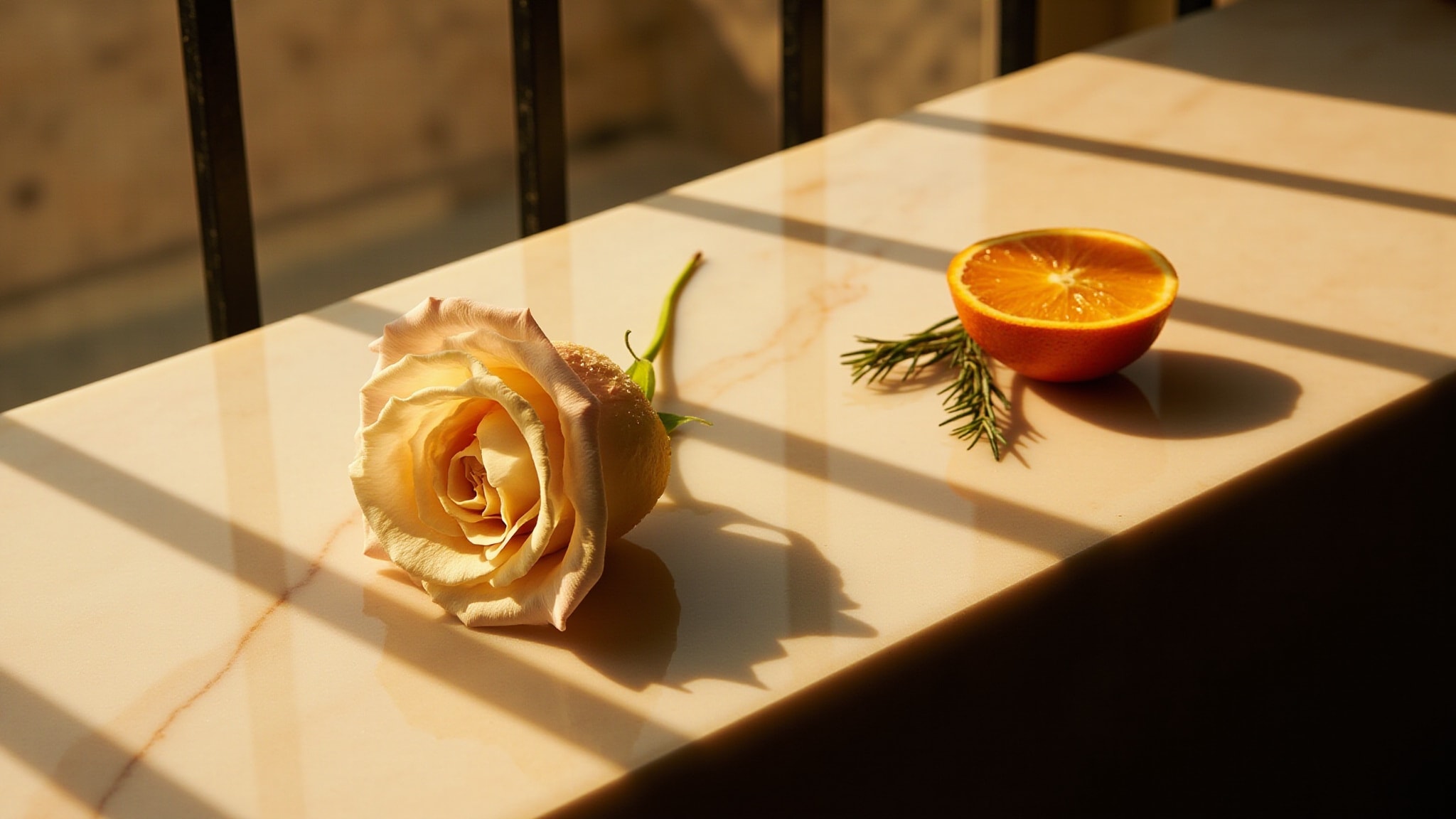
The opening moves quickly, almost aggressively. Bitter orange, Italian lemon, pink grapefruit, lemon verbena, and rosemary crowd into the first impression, each one pushing forward with its own texture. The bitter orange carries a slight pith bitterness, the lemon cuts clean, and the grapefruit adds a faint tart flicker that keeps things from collapsing into simple freshness. Verbena smooths the edges while rosemary anchors the whole stack with something herbal and faintly medicinal.
The evolution
The first thirty minutes belong entirely to the citrus. Bitter orange and Italian lemon hit sharp, almost sour, then the lemon verbena smooths the edges into something herbal. Pink grapefruit flickers underneath, adding a faint bitter edge that keeps the opening from reading as clean laundry. Around the forty-minute mark, rosemary surfaces and the composition starts to cool, trading brightness for something greener and more aromatic. The rose enters quietly through this herbal haze, not as a bloom but as a suggestion, the way you catch roses in a garden before you actually see them. Jasmine adds a thin white-floral thread that keeps the heart from going too austere. By hour two, the base has begun to assert itself: tree moss and vetiver arriving together, lending the drydown a damp, earthy quality.
Cultural impact
Rosissimo occupies a specific kind of curiosity for anyone who associates rose-heavy perfumery with sweetness, powder, or feminine-coded tradition. The citrus-led opening does the work of disarming those expectations before the rose even arrives. Wearers encounter a composition that treats the flower as a participant rather than the star, letting bitter orange, lemon, verbena, and rosemary carry the first impression while the rose settles in underneath. That structure rewards the patient wearer, the kind who lets a fragrance develop before rendering judgment.