
The Story
Why it exists.
The beginning
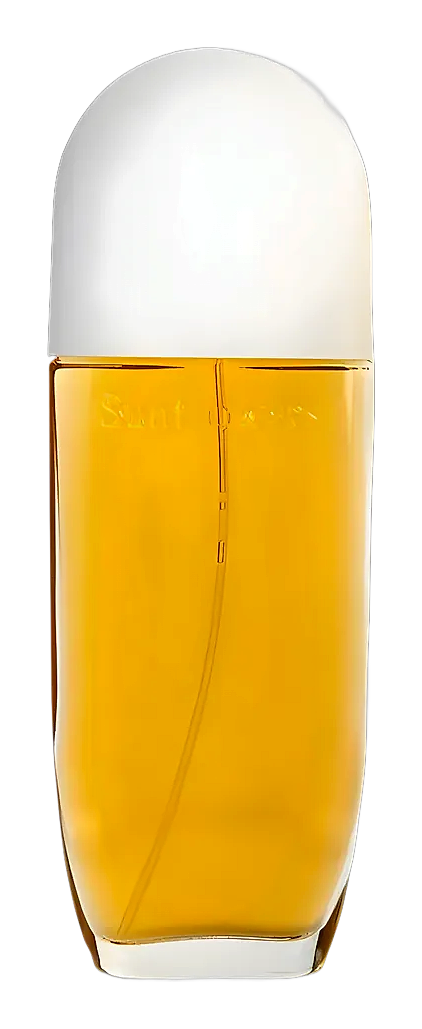
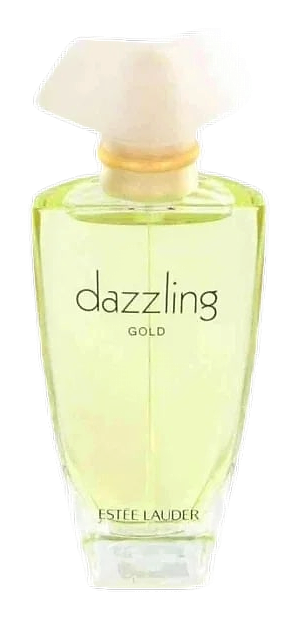
Dazzling Gold arrived in 1998, composed by Evelyn Lauder. It was a bright, generous floral aimed at women who wanted something golden and unapologetic on the skin. The name did the work up front. The juice had to match it, and it leaned into fruit, tropical florals, and a warm, creamy base that read as celebratory without tipping into noise. Aimed at a woman building her own definition of elegance, not borrowing one from anyone else. Aimed at a woman building her own definition of elegance, not borrowing one from anyone else. Aimed at a woman building her own definition of elegance, not borrowing one from anywhere else. The composition opens with a rush of jammy raspberry and dark, glossy blackcurrant, bright enough to catch light on the skin.
What makes the composition interesting is the tension between its fruity opening and its quieter base. Raspberry and passion flower are bold moves, the kind that can flatten a fragrance into pure sweetness. But the floral heart, built on jasmine, orchid, and lily of the valley, gives the fruit something to orbit. It keeps the composition in motion instead of letting it collapse into syrup. The base of sandalwood, amber, and vanilla is where the house's polish shows up, softening the edges and lending weight.
The evolution
Opens with a crisp, sun-warmed rush of apple and blackcurrant, sweetened by ripe raspberry. The heart unfurls into a soft bouquet of passion flower and rosewood, touched by the green, milky snap of fig leaf. As it dries down, the woods and gentle musk settle into a warm, golden skin-scent that lingers for hours. A whisper of cassia drifts through every stage, lending a faint spice that keeps the sweetness from feeling simple and adds a soft, amber glow to the trail.
Cultural impact
Dazzling Gold sits within the late-1990s wave of Estée Lauder fragrances that leaned into warmth and decoration. It carried the brand's signature golden warmth, the kind of accord that flatters rather than challenges, and built a fragrance around fruit, tropical florals, and a creamy base. Today it reads as a time capsule, the kind of juice that smells like late-spring afternoons and the particular optimism of the late nineties. Discontinued but still circulating in collections, it has the quiet persistence of something that stopped being made and kept being sought after anyway.
The House
Estée LauderEstée Lauder stands as one of the defining houses in modern perfumery, born from the ambition of a woman who believed every person deserved to feel beautiful. Founded in 1946 in New York City by Estée Lauder and her husband Joseph, the company began with just four skincare products and grew into the world's second-largest cosmetics corporation. Today, the brand continues to embody the founder's original vision of transformative beauty, creating fragrances that balance timeless elegance with contemporary relevance. Estée Lauder's scent collection spans decades of olfactory innovation, from the legendary Beautiful to newer interpretations that honor the house's rich heritage while appealing to modern sensibilities.
The Creator
Evelyn LauderLauder favored compositions that balanced sophistication with wearability, leaning into soft florals, gentle orientals, and clean, polished structures that suited the broader Estée Lauder and Clinique portfolios. Her signature lay in curation rather than single-note signatures…