The Story
Why it exists.
The beginning
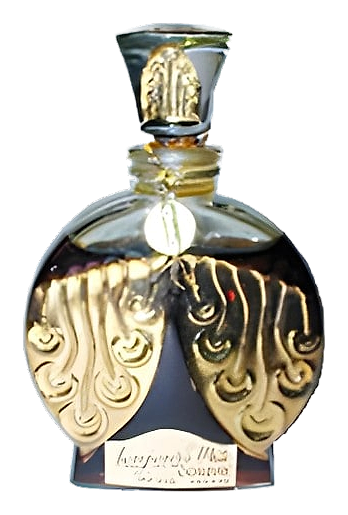
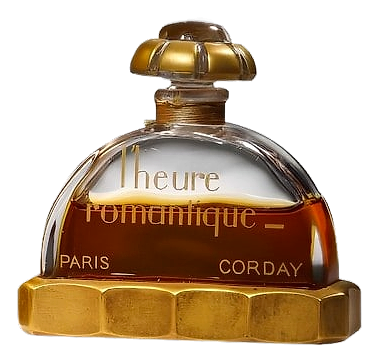
L'Heure Romantique arrived in 1928, four years into Corday's Paris existence. Blanche Arvoy composed it herself, the entrepreneur who had already built Jovoy and was now building a second house around a quieter kind of French elegance. The timing mattered. The late twenties were saturated with heavy orientals and bold florals, and a perfume called "The Romantic Hour" could have drifted into sentiment. Arvoy made something sharper. She reached for aldehydes to lift the top, built the heart from orange blossom, jasmine, and rose, and anchored everything in a mossy, ambery base that refused to behave like a powdery romantic. The name promised softness. The composition delivered poise.
What makes the structure worth noticing is the aldehyde-to-base ratio. Arvoy wasn't using the fizz for sparkle alone. The aldehydes pull the citrus open, then slide underneath the florals and keep them from collapsing into sweetness. That's the move. The base, sandalwood and tonka smoothed by oakmoss, labdanum, and amber, arrives almost immediately as a hum underneath, so the perfume never reads as a top-note fireworks show with a polite ending. It reads as one continuous breath from open to close.
The evolution
Launched in 1928 by Blanche Arvoy's Corday house, L'Heure Romantique arrived during the height of the French aldehyde-floral tradition, positioned as a romantic counterpoint to the sharper, more austere compositions dominating Parisian perfumery at the time. The blend of aldehydes, citrus, orange blossom, jasmine, rose, sandalwood, tonka, labdanum, oakmoss, amber, and musk placed it squarely in conversation with contemporaries like Caron's Narcisse Noir and early Guerlain florals, yet Arvoy's restrained hand gave it a drier, more modern edge. Production ceased decades ago, and surviving bottles now circulate only through vintage and collector channels, lending the fragrance an aura of recovered memory rather than current availability.
Cultural impact
This is a quiet collector's piece, the kind of 1928 French aldehyde that shows up in vintage cabinets and specialty boutiques rather than on retail counters. Nobody's wearing it for status. They're wearing it because it does something modern perfumery often forgets to do, holds itself back.
The House
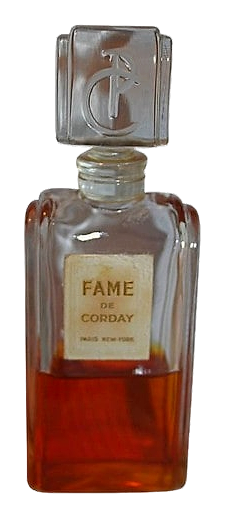
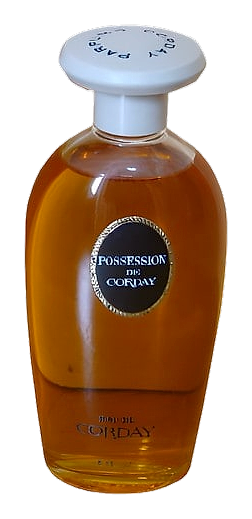
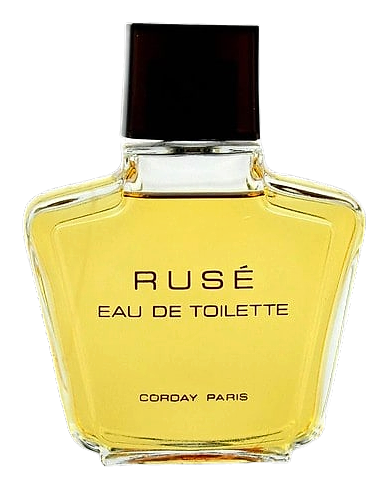
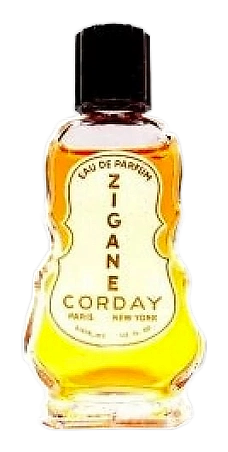
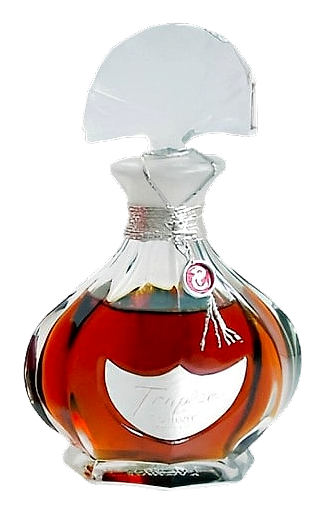
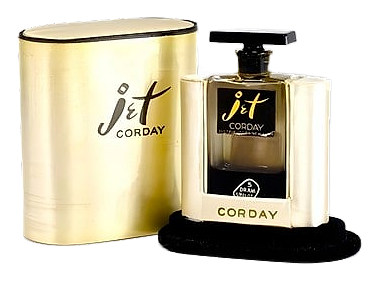
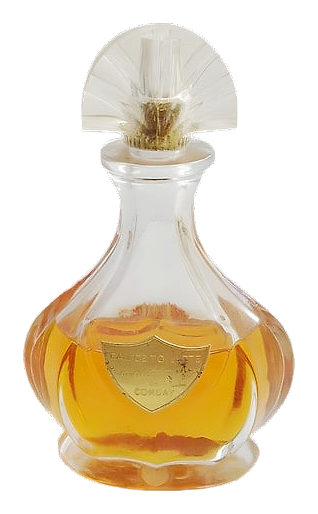
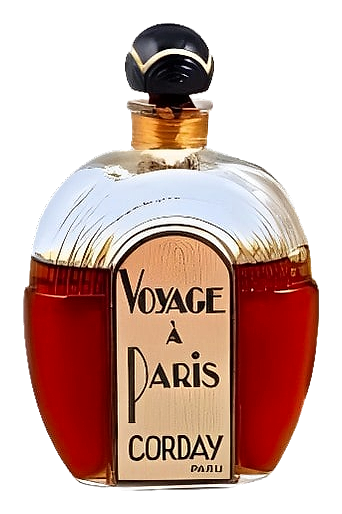
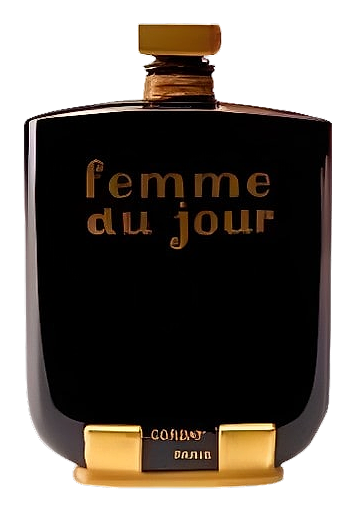
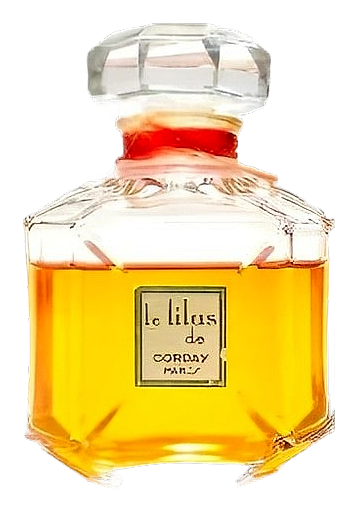
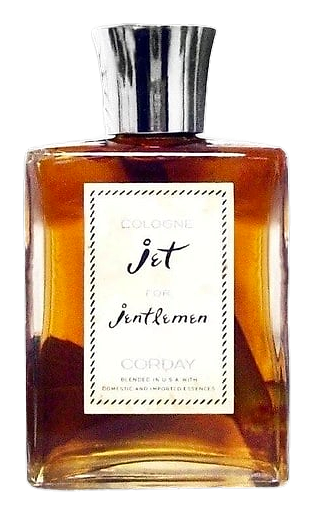
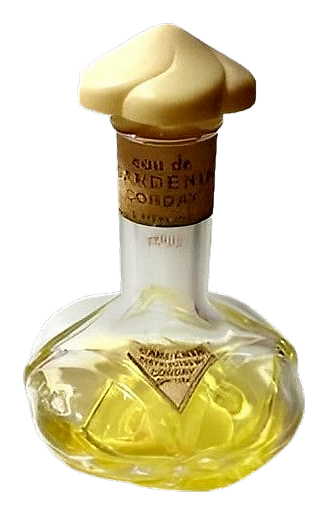
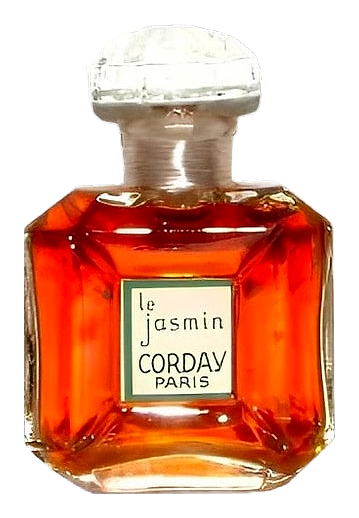
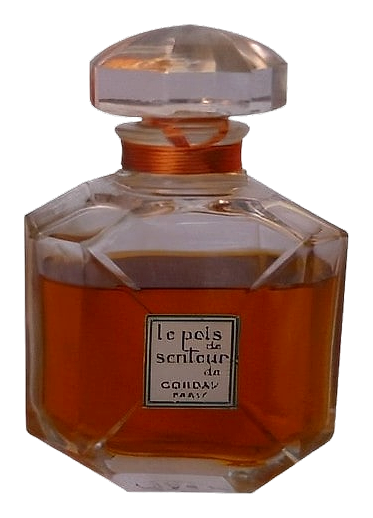
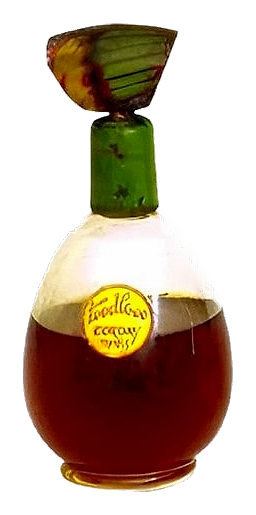
CordayCorday is a Paris‑born perfume house that emerged in the roaring twenties and kept a quiet presence through the mid‑century golden age of French fragrance. Founded by the entrepreneurial Blanche Arvoy, the label introduced a string of scents that still appear in vintage collections and specialty boutiques. Corday’s portfolio reads like a timeline of interwar and post‑war taste, from the bright citrus of Toujours Moi (1924) to the warm amber of Rusé (1966). The brand’s understated elegance and commitment to classic French perfumery make it a subtle point of reference for collectors who value history as much as aroma.
The Creator
Blanche ArvoyArvoy worked in a bold, theatrical register shaped by her background in design and the performing arts. She favored strong florals, rich animalic notes, and deep oriental bases that projected across a crowded salon.