
The Story
Why it exists.
The beginning
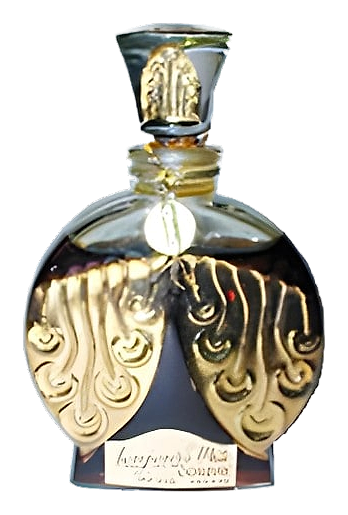
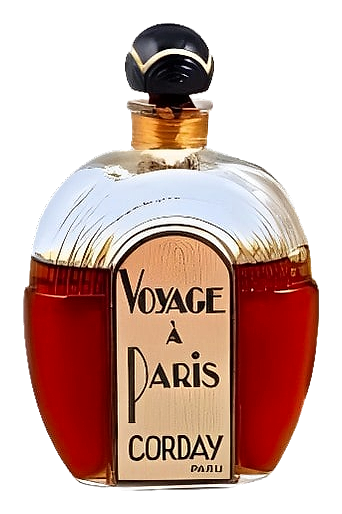
Voyage A Paris arrived in 1934 from the house of Corday, founded by Blanche Arvoy, who had already built the house of Jovoy and chose the name Corday as a gesture toward Charlotte Corday, the revolutionary figure from French history. The first Corday release came in 1924, and by the mid-1930s the house had settled into its stride with a catalog of florals and orientals aimed at women who wanted fragrance with composure, not spectacle. Voyage A Paris joined that catalog as an eau de cologne and parfum, its name a straightforward nod to the city of Paris. The composition sits firmly in the classical French tradition of florals built with care and intentionality, a tradition that valued clean structure and a sense of poise over bold gestures.
What makes Voyage A Paris worth attention is the way the floral accord is built and held. The composition centers on a classical rose and violet pairing, with orris lending its soft, powdery dimension to the whole. Violet brings a cool, slightly green-edged brightness that lifts the rose rather than burying it, and orris weaves through both, giving the fragrance a silky, almost suede-like texture that reads as refinement in olfactory form. The structure is disciplined: a clear top, a defined heart, and a base that supports without competing.
The evolution
The opening belongs to a green-edged brightness, a quick lift that feels cool against the skin and carries the first sense of the violet note that will run through the entire composition. It is brief but legible, the kind of top note that sets a tone without demanding attention. Then the florals arrive, and they arrive all at once, the way a well-constructed classical floral should, with the full bouquet stepping forward together rather than trickling in one note at a time. The rose is full and present, taking the central position, and violet continues underneath, its cool green character now softened by the warmth of the florals around it. The orris weaves through the whole, giving the heart a powdery, slightly suede-like texture that reads as skin rather than as perfume.
Cultural impact
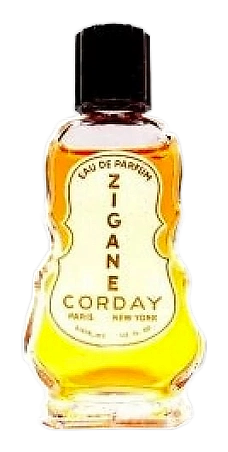
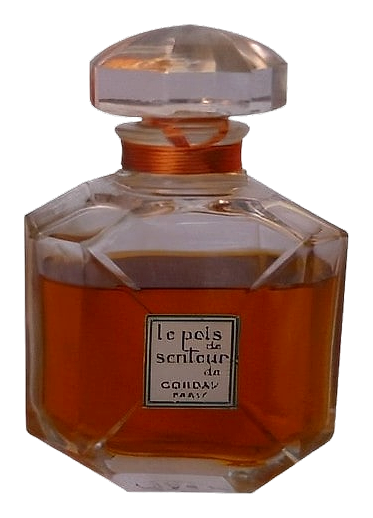
Voyage A Paris sits within Corday's 1930s catalog alongside other releases of the period such as Pois de Senteur and Zigane, each one offering a different take on the floral genre that the house built its reputation on. The fragrance has never had the commercial profile of a household name, which keeps it firmly in the category of discoveries rather than declarations. For those who come across a vintage flacon, the appeal is in the composition itself, in the particular quality of how the florals are arranged and how the structure holds together from the first spray to the final hours of wear.
The House
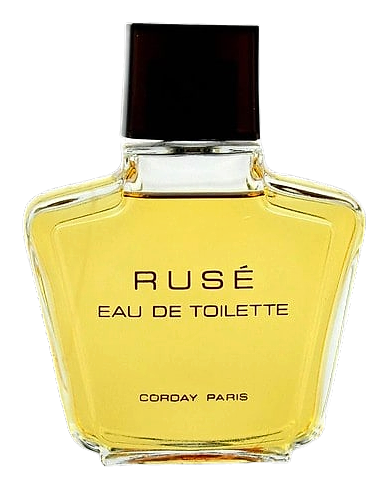
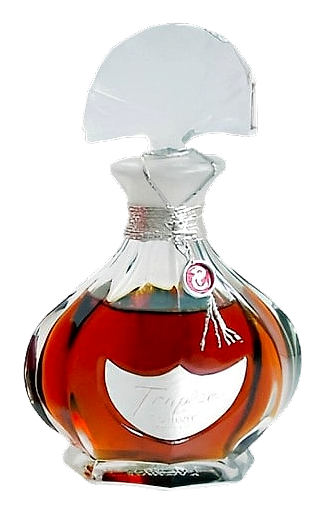
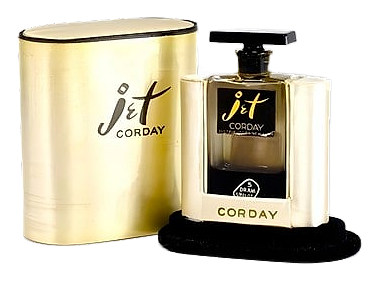
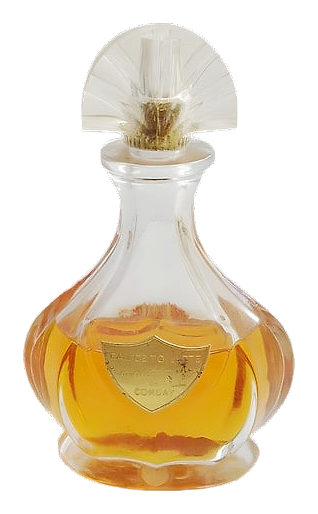
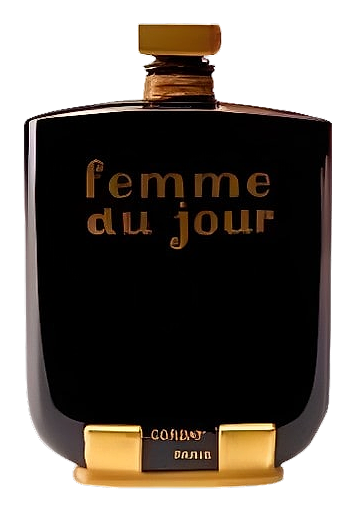
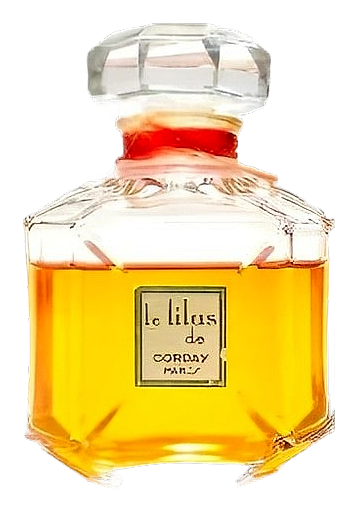
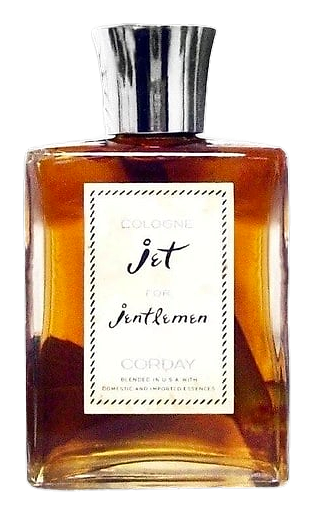
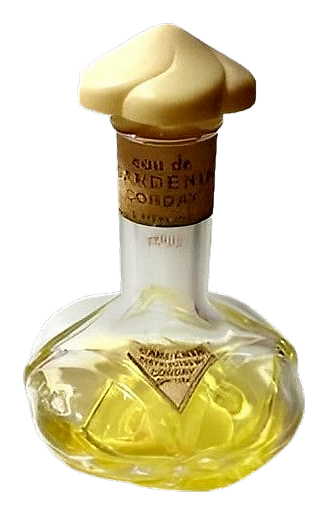
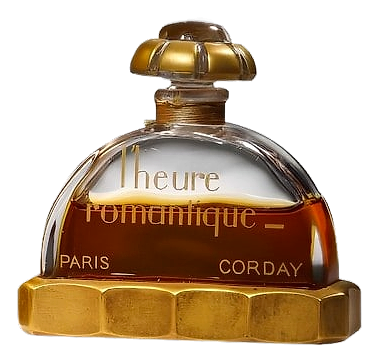
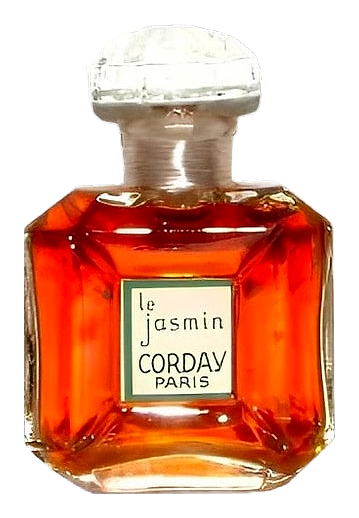
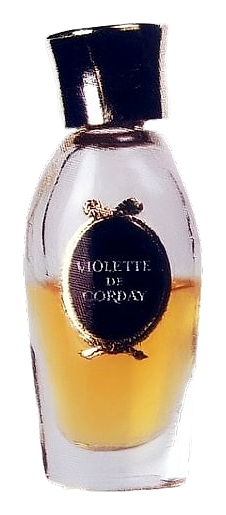
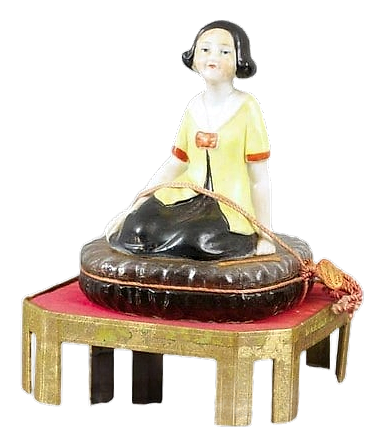
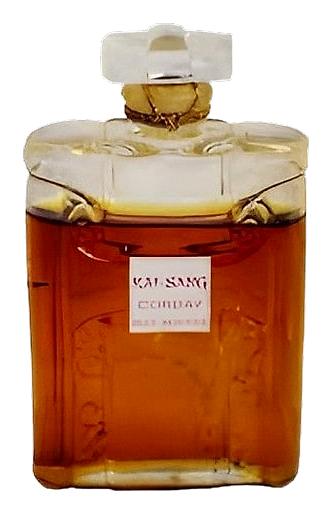
CordayCorday is a Paris‑born perfume house that emerged in the roaring twenties and kept a quiet presence through the mid‑century golden age of French fragrance. Founded by the entrepreneurial Blanche Arvoy, the label introduced a string of scents that still appear in vintage collections and specialty boutiques. Corday’s portfolio reads like a timeline of interwar and post‑war taste, from the bright citrus of Toujours Moi (1924) to the warm amber of Rusé (1966). The brand’s understated elegance and commitment to classic French perfumery make it a subtle point of reference for collectors who value history as much as aroma.
The Creator
Blanche ArvoyArvoy worked in a bold, theatrical register shaped by her background in design and the performing arts. She favored strong florals, rich animalic notes, and deep oriental bases that projected across a crowded salon.