






The Heritage
The Story of Corday
Corday is a Paris‑born perfume house that emerged in the roaring twenties and kept a quiet presence through the mid‑century golden age of French fragrance. Founded by the entrepreneurial Blanche Arvoy, the label introduced a string of scents that still appear in vintage collections and specialty boutiques. Corday’s portfolio reads like a timeline of interwar and post‑war taste, from the bright citrus of Toujours Moi (1924) to the warm amber of Rusé (1966). The brand’s understated elegance and commitment to classic French perfumery make it a subtle point of reference for collectors who value history as much as aroma.
Heritage
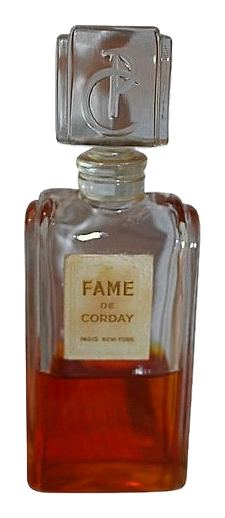
Blanche Antoinette Rose Reneaux, known professionally as Blanche Arvoy, launched Corday in Paris in 1924. Arvoy had already created the Jovoy brand a year earlier, and she chose the name Corday as a nod to Charlotte Corday, the revolutionary figure who assassinated Jean‑Paul Marat in 1793. Contemporary newspaper notices from 1924 record the debut of Corday’s first releases, Toujours Moi and Jet, both positioned as modern interpretations of the era’s fascination with speed and optimism. During the 1930s Corday expanded its catalogue with Zigane (also listed as Tzigane) and Possession, fragrances that blended oriental spices with French floral bases, reflecting a broader industry shift toward exoticism. The house survived the German occupation of France; archival records show that production continued in a modest workshop in the 14th arrondissement, supplying perfume shops that remained open despite rationing. In the post‑war period Corday introduced Fame (1946) and Jet for Gentlemen (1949), the latter marketed specifically to male consumers at a time when gendered fragrance lines were still rare. The 1950s saw the launch of Trapeze (1956), a scent that incorporated synthetic musks newly available after World War II, illustrating Corday’s willingness to blend tradition with emerging technology. The 1960s brought Rusé (1966), a composition that leaned on ambergris substitutes and vanilla from Madagascar, aligning with the era’s growing interest in warm, gourmand notes. Throughout its first four decades Corday maintained a modest but steady distribution network, appearing in French department stores such as Galeries Lafayette and in select overseas boutiques in Belgium and Switzerland. Although the brand never achieved mass‑market fame, it earned a place in niche circles. In 2015 the Perfume Set To Music project selected six Corday fragrances for a curated listening experience, acknowledging the house’s historical relevance. Today, Corday’s vintage bottles are prized by collectors, and the brand’s legacy is documented in perfume reference works and online archives that preserve its contribution to French olfactory heritage.
Craftsmanship
Corday’s production methods have remained rooted in the atelier practices of early 20th‑century France. Formulations were drafted by Blanche Arvoy herself, who combined essential oils, absolutes, and the first generation of aroma chemicals in hand‑blended batches. Ingredients such as bergamot from Calabria, jasmine from Grasse, and vanilla from Madagascar were sourced directly from established growers, a practice documented in trade journals of the 1930s. The house employed a small team of master perfumers and assistants who performed maceration in glass vessels, allowing the raw materials to meld over several weeks. After maceration, the mixtures were filtered through fine muslin and aged in oak barrels for a period ranging from three to six months, a step that softened sharp edges and added depth. This aging process, noted in a 1958 French perfume industry report, contributed to the characteristic smoothness of Corday’s later scents like Rusé. Quality control was rigorous; each batch was tested by a panel of olfactory experts before bottling. The brand used a traditional French eau de parfum concentration, typically 20‑25 percent aromatic compounds, ensuring longevity on the skin without the overpowering intensity of later eau de toilette trends. Bottling took place in a glassworks facility in Saint‑Germain‑en‑Laye, where bottles were hand‑filled and sealed with corks that bore the Corday script. The label design, printed on textured paper, featured gold foil lettering applied by hand, a detail that reinforced the house’s commitment to tactile quality. Even after the introduction of synthetic musks in the 1950s, Corday retained a hand‑crafted ethos, blending synthetics only after thorough evaluation for stability and scent harmony. Today, the original formulas are preserved in archival notebooks held by perfume historians, and modern reproductions follow the same step‑by‑step protocol, honoring the meticulous craftsmanship that defined the brand’s early decades.
Design Language
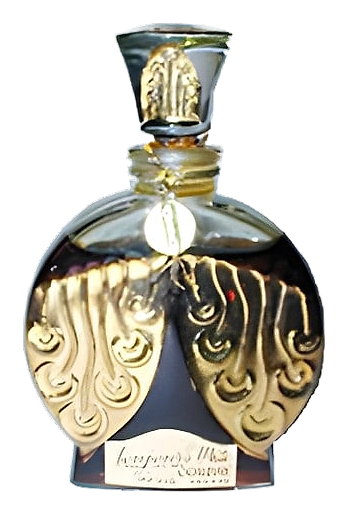
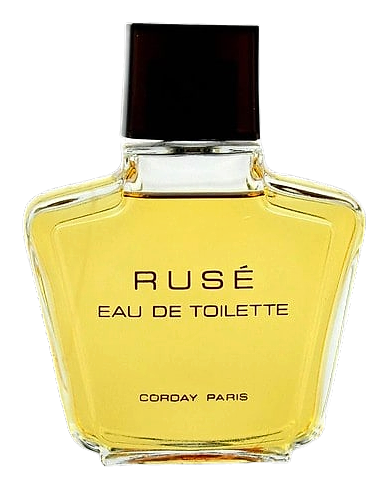
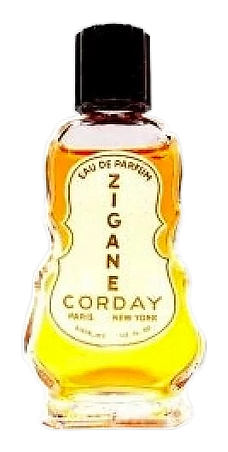
Visually, Corday embraces the sleek lines of Art Deco while maintaining a restrained elegance. Early bottles showcase clear glass with a slender neck, capped by a brushed metal or gold‑toned screw top. The label is a narrow strip of cream‑colored paper, embossed with the Corday name in a stylized serif script that echoes 1920s typography. Some editions, such as the 1937 Zigane, feature a subtle geometric pattern etched into the glass, reflecting the era’s fascination with symmetry and modernity. The brand’s visual identity extends to its advertising, which historically employed monochrome photography of Parisian boulevards and close‑ups of perfume sprayers, allowing the scent to be imagined rather than overtly described. Promotional posters often included a small silhouette of Charlotte Cordage, the revolutionary heroine, rendered in a minimalist line drawing that conveys both strength and poise. Packaging for limited‑edition releases retains the same minimalist palette but introduces muted pastel accents that hint at the fragrance’s character—soft blues for Orchidée Bleue (1925) or deep amber tones for Rusé (1966). The overall image projects a timeless sophistication that appeals to collectors who appreciate historical context as much as visual appeal. Corday’s retail displays in historic department stores were designed to blend with the surrounding décor, using walnut shelving and brass accents that matched the interior design of the boutiques. This understated presentation reinforced the brand’s philosophy of letting the perfume itself be the focal point, rather than relying on flashy branding. The aesthetic continues to influence contemporary niche houses that look to the past for inspiration while maintaining a clean, modern sensibility.
Philosophy
Corday’s creative outlook rests on a respect for the rituals of classic French perfumery while allowing room for subtle innovation. The house views fragrance as a narrative device, a way to capture a moment in time without resorting to overt spectacle. This perspective is evident in the way each scent is anchored to a specific year or cultural reference, whether it is the speed‑infused optimism of Jet (1924) or the post‑war confidence of Fame (1946). The brand’s values emphasize craftsmanship, authenticity, and a quiet confidence that avoids the flash of contemporary marketing. Rather than chasing trends, Corday seeks to preserve the balance between natural extracts and the early synthetics that defined mid‑century perfume. The house also places importance on gender fluidity in scent, as shown by the release of Jet for Gentlemen, which challenged the notion that floral compositions were exclusively feminine. Corday’s approach to storytelling is measured; promotional language historically relied on descriptive notes and the provenance of ingredients rather than hyperbolic claims. This restraint aligns with the founder’s own background as a woman navigating a male‑dominated industry, where credibility was built on expertise and consistency. The philosophy continues to guide the brand’s limited modern releases, which are presented with minimal packaging and straightforward descriptions that let the fragrance speak for itself.
Key Milestones
1924
Blanche Arvoy launches Corday in Paris, releasing the inaugural fragrances Toujours Moi and Jet.
1937
Corday introduces Zigane (Tzigane) and Possession, expanding into exotic oriental accords.
1946
Post‑war fragrance Fame debuts, reflecting renewed optimism in France.
1949
Jet for Gentlemen is released, targeting male consumers at a time when gender‑specific scents were uncommon.
1956
Trapeze arrives, incorporating newly available synthetic musks and marking a shift toward modern ingredients.
1966
Rusé launches, featuring ambergris substitutes and Madagascan vanilla, aligning with the era’s gourmand trend.
At a Glance
Brand profile snapshot
Origin
France
Founded
1924
Heritage
102
Years active
Collection
1
Fragrances released
Avg Rating
3.4
Community sentiment
Release Rhythm


